
The Luxury Fashion Care Guide for Timeless Wardrobes
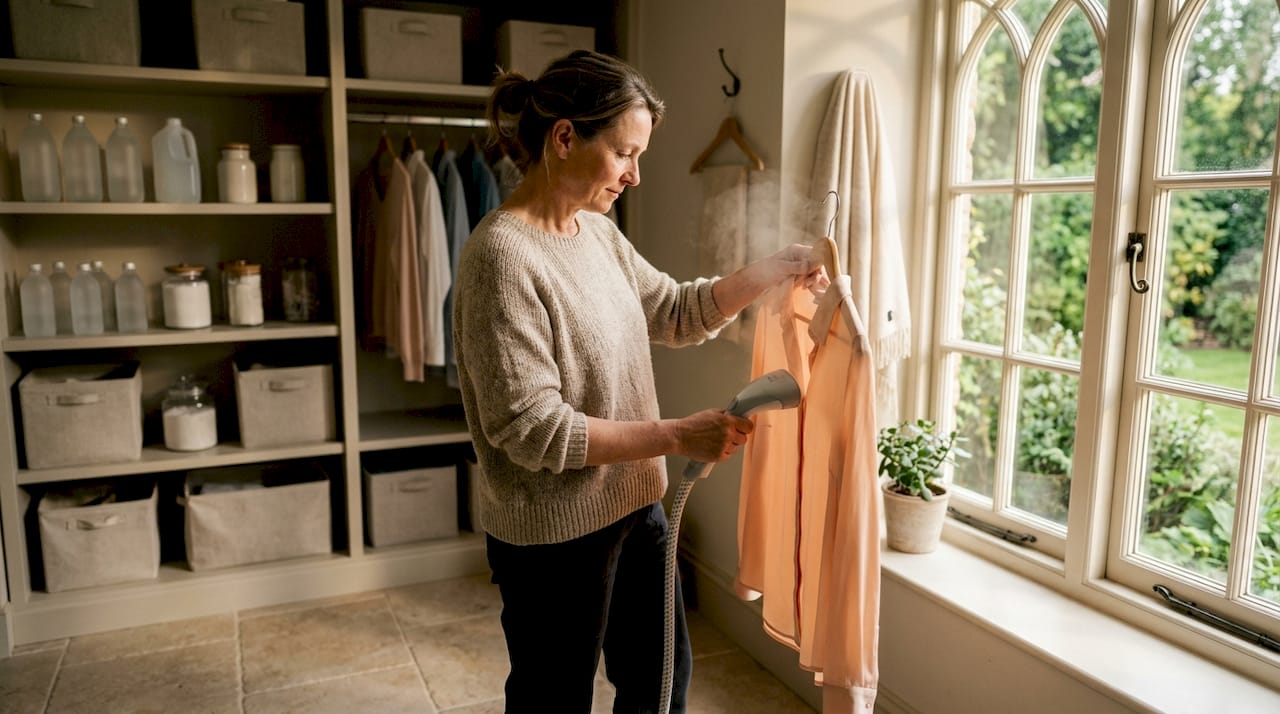
How to care for your Luxury Capsule Wardrobe.
Luxury fashion requires fabric-specific care, breathable storage, and professional maintenance to preserve quality. Proper restraint in cleaning, correct storage methods, and routine airing extend garment lifespan significantly. Building relationships with skilled tailors and selective dry cleaning protect investment pieces long-term.
A luxury fashion care guide is the complete system of specialized cleaning, storage, and maintenance practices that preserve the quality, structure, and beauty of high-end garments and accessories. Unlike routine laundry, proper garment preservation requires fabric-specific knowledge, pH-neutral detergents, breathable storage materials, and, at times, the skilled hands of a professional atelier. The pieces you invest in, whether an exquisitely draped silk dress or a hand-stitched Italian leather shoe, deserve a level of care that matches their craftsmanship. This guide draws on current 2026 fabric-care standards to give you exactly that.
What are the best practices for cleaning luxury fashion garments at home?
The foundation of any upscale wardrobe maintenance routine is knowing how often and how gently to clean each piece. Industry standards recommend refreshing close-contact luxury fabrics like fine Pima cotton every 2–3 wears. That frequency prevents the buildup of perspiration and body oils that silently degrade fibers over time.
Detergent choice is not a minor detail. Bleach oxidizes protein fibers like silk and wool, causing irreversible yellowing and brittleness. Always reach for a pH-neutral, fragrance-free detergent formulated for delicate fabrics, and never substitute with a standard household product.
Hand washing remains the gold standard for silk, chiffon, and fine knits. If you must use a machine, select the delicate cycle with cold water and place the garment inside a mesh laundry bag. Before washing any new piece, test colorfastness by pressing a damp white cloth against a hidden interior seam. This one step prevents irreversible dye bleeding.
Spot cleaning is often the wiser choice for lightly worn garments. A clean, damp cloth applied with gentle circular pressure lifts surface marks without subjecting the entire piece to a full wash cycle. For wrinkles and odor, steaming is safer than ironing because dry heat and direct pressure can scorch natural fibers and flatten delicate textures permanently.
Steps for a safe home wash:
Check the care label and identify the fiber content.
Test colorfastness on a hidden seam with a damp white cloth.
Fill a clean basin with cool water and a small amount of pH-neutral detergent.
Submerge the garment and gently agitate by hand for 2–3 minutes.
Rinse thoroughly with cool water until no suds remain.
Press (never wring) excess water out by rolling the garment in a clean towel.
Lay flat or hang on a padded hanger to air dry away from direct sunlight.
Pro Tip: Always turn garments inside out before washing. This protects surface embellishments, printed patterns, and delicate weaves from friction damage during the wash cycle.
How should you store luxury clothing and accessories to prevent damage?
Storage is where most luxury wardrobes suffer quietly. Plastic garment bags trap moisture, causing a chemical reaction known as “gas fading” that yellows fabric and invites mold. Replace them with breathable cotton or muslin bags that allow air to circulate freely around each piece.
The hanger you choose shapes the garment you love. Wire hangers distort garment shoulders and collapse structured padding over time. Wide, contoured wooden or padded hangers mimic the natural human frame and distribute weight evenly, preserving the silhouette of tailored jackets, structured dresses, and coats.
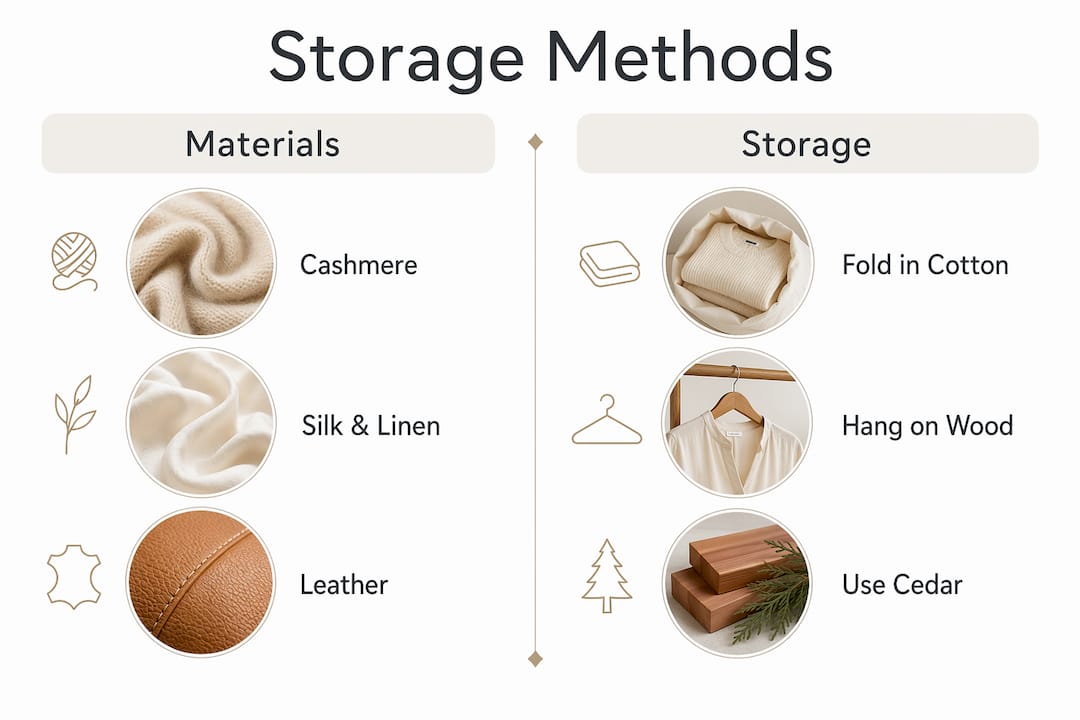
Different materials demand different storage approaches:
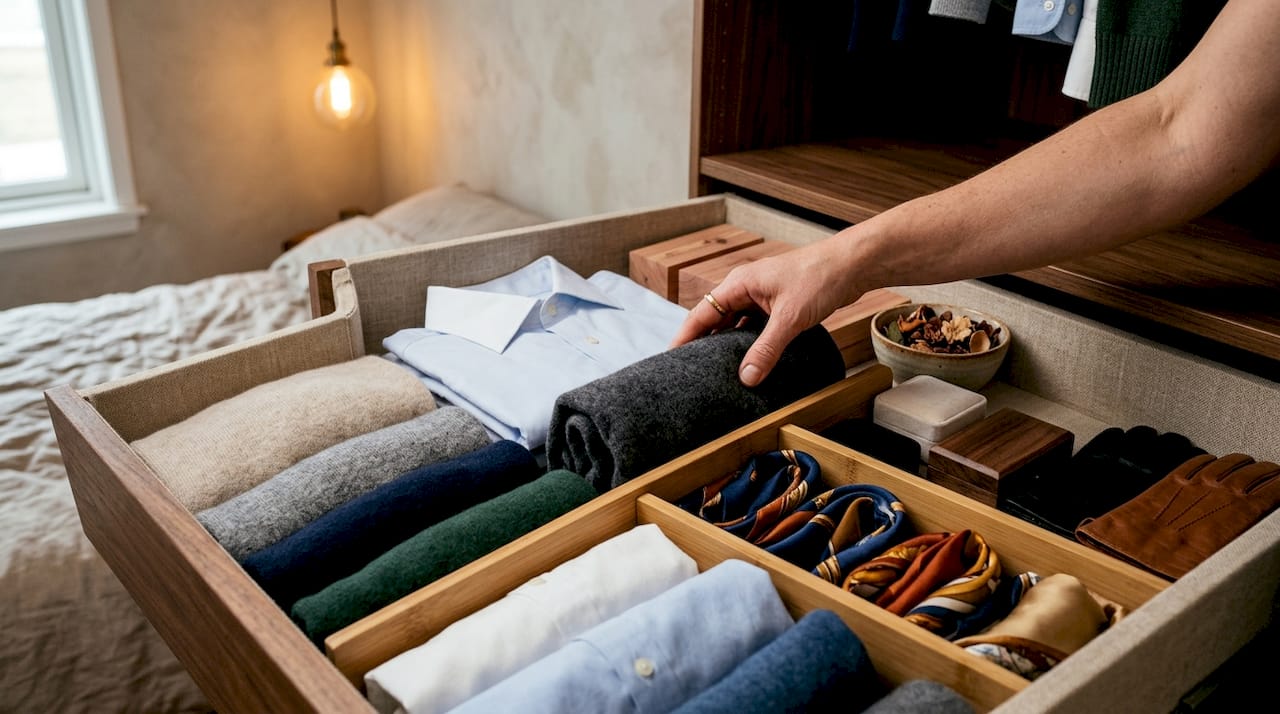
Cashmere and fine knits: Fold flat and store in a breathable drawer or shelf. Never hang knitwear, as gravity stretches the fibers out of shape. Place cedar blocks nearby as a natural moth deterrent.
Silk: Hang on padded satin hangers inside a muslin bag. Keep silk away from direct light, which fades color rapidly.
Leather bags and shoes: Store in a cool, dark place with the original dust bags. Stuff leather bags with acid-free tissue paper to maintain their shape. For expert leather care, Vivienlauren’s leather accessories guide covers conditioning and cleaning in detail.
Structured occasion dresses: Hang on wide padded hangers inside individual muslin covers to protect embellishments.
Jewelry: Store pieces separately to prevent scratching. A dedicated jewelry care guide outlines the specific methods for different metals and stones.
Body oils and scent residues accelerate oxidation and attract moths. Always air garments for at least 24 hours before placing them in storage. This single habit removes invisible residues that cause long-term fabric degradation.
Climate matters as much as containers. Aim for a storage environment between 60°F and 72°F with relative humidity below 55%. Excess humidity invites mold; excess dryness causes fibers to become brittle. Cedar blocks and lavender sachets repel moths naturally, but replace them every three to four months as their potency fades.
A tip: For cedar blocks sanding them down periodically has the same effect as replacement.
Pro Tip: Replace wire hangers immediately with quality wooden or padded alternatives, especially for heavy coats, structured blazers, and beaded evening gowns. The investment is minimal compared to the cost of reshaping a distorted shoulder.
Material | Storage method | Key deterrent |
Cashmere and knits | Folded flat in breathable drawer | Cedar blocks |
Silk | Padded hanger in muslin bag | Keep from direct light |
Leather goods | Cool, dark space with dust bag | Acid-free tissue stuffing |
Structured dresses | Wide padded hanger, muslin cover | Individual garment bags |
When and why should you seek professional luxury garment care?
A “dry clean only” label is not a suggestion. It signals that the fabric, construction, or embellishment cannot survive water immersion without damage. Beaded gowns, heavily lined tailored suits, and garments with delicate interfacing all fall into this category.
The solvent used in dry cleaning matters enormously. Traditional perchloroethylene (PERC) solvents weaken delicate fibers like silk and cashmere with repeated exposure. Seek out cleaners who use Green Earth or CO2 cleaning methods, which are gentler on natural fibers and produce superior results on fine textiles.
Dry cleaning too often strips the natural oils from fabric, leaving fibers dry, brittle, and prone to breakage. Airing out garments and spot-treating stains immediately are more fabric-friendly practices for routine maintenance, reserving professional cleaning for genuine necessity.
Professional cleaning cycles typically take 3–5 days because specialist ateliers conduct pre-cleaning fiber tests and apply hand-finishing techniques tailored to each garment. That timeline reflects genuine care, not inefficiency. Specialized ateliers also use cold tension vacuum tables to extract stains without pushing them deeper into the weave, a process that is simply not replicable at home.
Building a relationship with a skilled tailor is equally valuable. Tailors fix loose buttons, restore linings, and adjust fit to keep garments in active rotation for years longer than they would otherwise last. A trusted tailor is not a luxury. It is a cost-effective strategy for protecting your wardrobe investment.
Pro Tip: When selecting a dry cleaner for a precious piece, ask specifically whether they use PERC-free solvents and whether they perform pre-cleaning fabric tests. A cleaner who cannot answer both questions confidently is not the right choice for your finest garments.
What daily and seasonal routines extend your luxury wardrobe’s lifespan?
Consistent daily habits protect garments more effectively than any single intervention. The most impactful routine is also the simplest: air every garment for 30–60 minutes after wearing before returning it to the wardrobe. This releases body heat, moisture, and residual scent before they settle into the fibers.
A structured weekly and seasonal routine keeps your wardrobe in peak condition year-round:
Daily: Air garments after each wear. Brush wool coats and blazers with a soft clothes brush to lift surface dust and lint before it embeds in the weave. Spot clean any marks immediately with a damp cloth.
Weekly: Use a fabric shaver or de-pilling comb on fine knits to remove pilling before it worsens. Steam refresh hanging garments to relax fibers and neutralize light odors. Rotate shoes and clothing pieces to prevent concentrated wear on any single item.
Monthly: Inspect stored pieces for signs of moth activity, mold, or color change. Replace cedar blocks and lavender sachets if their scent has faded. Condition leather shoes and bags with a product appropriate to the leather type.
Seasonally: Before transitioning your wardrobe for the season, clean every piece professionally or by hand, repair any minor damage, and store items correctly. Never store a soiled garment. Soil attracts insects and accelerates fiber breakdown during months of inactivity.
Annually: Schedule a full wardrobe audit. Assess fit, condition, and whether each piece still serves your style. Items that need significant repair are best addressed now, before damage worsens. Vivienlauren’s guide on timeless luxury apparel offers perspective on which pieces merit long-term investment.
Shoe care deserves its own discipline. Cedar shoe trees belong inside every quality leather shoe when not in use. They absorb moisture, maintain the shoe’s shape, and prevent creasing at the toe box. Condition leather uppers every four to six weeks with a nourishing cream, and rotate pairs to allow at least 24 hours of rest between wears.
Pro Tip: Create a simple care checklist for each garment category in your wardrobe and attach it to the inside of your closet door. Consistent reference to a written routine eliminates the guesswork that leads to costly mistakes.
Key Takeaways
Preserving luxury fashion requires fabric-specific cleaning, breathable storage, selective professional care, and consistent daily habits that collectively extend garment lifespan far beyond what routine laundry achieves.
Point | Details |
Clean with restraint | Refresh close-contact luxury fabrics every 2–3 wears using pH-neutral detergents only. |
Store in breathable materials | Use cotton or muslin bags and wide padded hangers to prevent moisture damage and shape loss. |
Choose professional care wisely | Seek PERC-free dry cleaners and build a tailor relationship for repairs and fit adjustments. |
Air before storing | Always air garments for at least 24 hours before storage to remove oils that attract moths. |
Maintain daily and seasonal routines | Brush, steam, rotate, and audit your wardrobe consistently to prevent cumulative damage. |
What I’ve learned from years of caring for exquisite pieces
The most common mistake I see is treating luxury garments the way most people treat ordinary clothes: washing them too often, hanging them on whatever is available, and sending them to the nearest dry cleaner without asking a single question. That approach quietly destroys the very qualities that made a piece worth owning.
What I have come to understand, through years of caring for and curating fine apparel, is that restraint is the most powerful care technique. The garment you do not over-wash, over-press, or over-clean retains its drape, its color depth, and its structural integrity far longer than one subjected to aggressive maintenance. Airing a silk blouse for an hour after wearing does more for its longevity than any detergent.
The relationship with a trusted tailor changed how I think about my wardrobe entirely. A loose button is not a reason to retire a beloved piece. A slightly altered hem is not a compromise. These are acts of respect for the craftsmanship that went into the garment. I have extended the life of pieces by years simply by addressing small repairs before they became irreversible damage.
The care standards evolving in 2026 reflect a broader shift toward slow fashion and intentional ownership. Vivienlauren’s wardrobe care philosophy captures this beautifully: the finest pieces are not meant to be consumed and discarded. They are meant to be worn, cherished, and passed on. That is the true measure of luxury.
— Vivien Lauren.
Vivienlauren: Elegant pieces worth every care ritual
The garments worth caring for this deeply are the ones built to last. Vivienlauren designs and curates women’s apparel with exactly that intention, drawing on generations of Italian craftsmanship to produce pieces of genuine, enduring quality.
From occasion dresses crafted in exquisite fabrics to handmade court shoes and handmade Signature Leather bag collection finished with extraordinary attention to detail, every piece in the Vivien Lauren collection is designed to reward the care you give it. These are not fast-fashion items that fade after a season. They are investment pieces that grow more personal with every careful wear. Visit Vivien Lauren to explore the full collection of timeless women’s fashion, and choose pieces that deserve a place in your wardrobe for years to come.
FAQ
What detergent is safe for luxury fabrics?
A pH-neutral, fragrance-free detergent formulated for delicate fabrics is the correct choice for silk, cashmere, and fine wool. Bleach and standard household detergents oxidize protein fibers and cause permanent damage.
How often should luxury garments be dry cleaned?
Dry clean luxury garments only when genuinely necessary, such as after a stain or at the end of a season. Over-cleaning strips natural fiber oils and weakens fabric structure over time.
What is the best way to store cashmere?
Fold cashmere flat in a breathable cotton or muslin bag and store it in a cool, dry drawer. Never hang knitwear, as gravity stretches the fibers, and place cedar blocks nearby to deter moths.
Is steaming safe for all luxury fabrics?
Steaming is safe for most natural luxury fabrics, including silk, wool, and linen, because it relaxes fibers without applying the direct pressure and dry heat that ironing delivers. Always hold the steamer a few inches from the fabric surface.
When should I take a garment to a professional atelier?
Take a garment to a professional atelier when it carries a “dry clean only” label, features delicate embellishments, or has a stain that home spot-cleaning has not resolved. Specialist ateliers use techniques like cold tension vacuum tables that protect fabric integrity in ways home care cannot replicate.
Recommended
This fashion guide has been authored for you by Shona White. On behalf of Vivien Lauren. Vivien Lauren. Luxury. Craftsmanship. That's Proudly Italian. Vivien Lauren. Proud To Style.

