
Luxury Fashion Explained: Hallmarks, Trends, and Value
Updated: Dec 7, 2025

Over 60 percent of consumers believe that luxury fashion is about more than just the price tag.
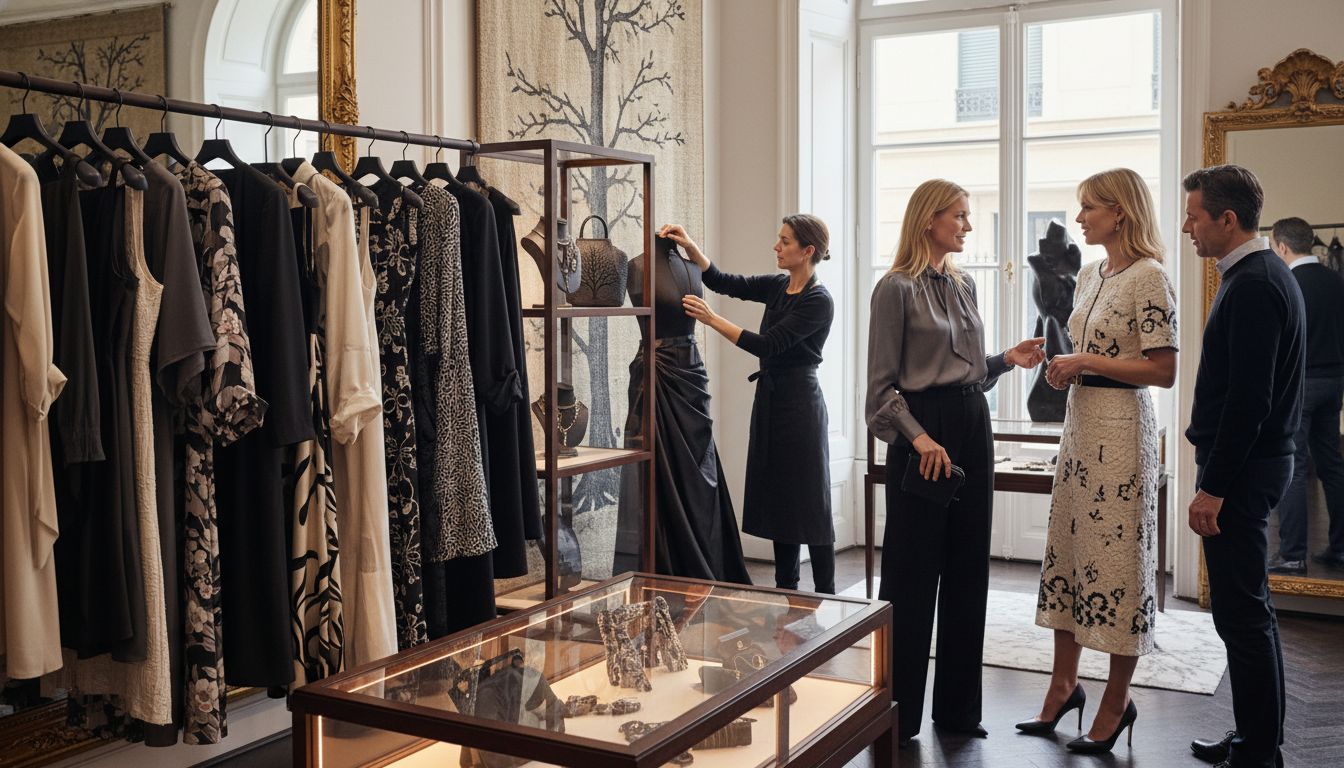
Today’s luxury brands stand apart through masterful craftsmanship, rich backstories, and a growing dedication to sustainability. These qualities turn everyday garments into unique expressions of culture and artistry.
Whether you are drawn to elegant tailoring or the stories behind iconic accessories, discovering the world of luxury fashion opens up a deeper understanding of what true sophistication means.
Table of Contents
Key Takeaways
Point | Details |
Luxury Fashion Redefined | Luxury fashion now integrates values like sustainability and social responsibility, shifting from mere aesthetics to broader cultural significance. |
Craftsmanship and Heritage | Exceptional craftsmanship, premium materials, and brand heritage are essential in differentiating luxury fashion pieces as works of art. |
Ethical Considerations | The luxury landscape is evolving to emphasize ethical practices, limiting production to reduce waste and ensure fair labor. |
Value Beyond Cost | True luxury is an investment in personal style and quality, focusing on craftsmanship and design longevity rather than brand name alone. |
Defining Luxury Fashion and Key Principles
Luxury fashion represents far more than expensive clothing—it embodies a sophisticated intersection of craftsmanship, design philosophy, and cultural expression. Vivien Lauren believes now on the side of the end customer's experience, it is an essential component to the luxury lifestyle.
According to research from mdpi.org, contemporary luxury is evolving beyond traditional attributes to encompass broader values like sustainability and social responsibility.
At its core, luxury fashion distinguishes itself through several critical principles:
Exceptional Quality: Meticulously handcrafted pieces using premium materials
Limited Production: Intentionally restricted quantities ensuring exclusivity
Heritage and Storytelling: Deep connections to design traditions and cultural narratives
Ethical Production: Transparent, responsible manufacturing processes
Aesthetic Innovation: Pioneering design that transcends temporary trends
Modern luxury fashion is increasingly defined by its holistic approach. As research from iiste.org suggests, brands must now understand fashion equity beyond mere aesthetic appeal, integrating deeper values of social and environmental consciousness.

The most compelling luxury fashion pieces are those that communicate a narrative—transforming clothing from simple garments into wearable art. They represent an emotional investment, connecting the wearer to broader cultural expressions of elegance, creativity, and personal identity.
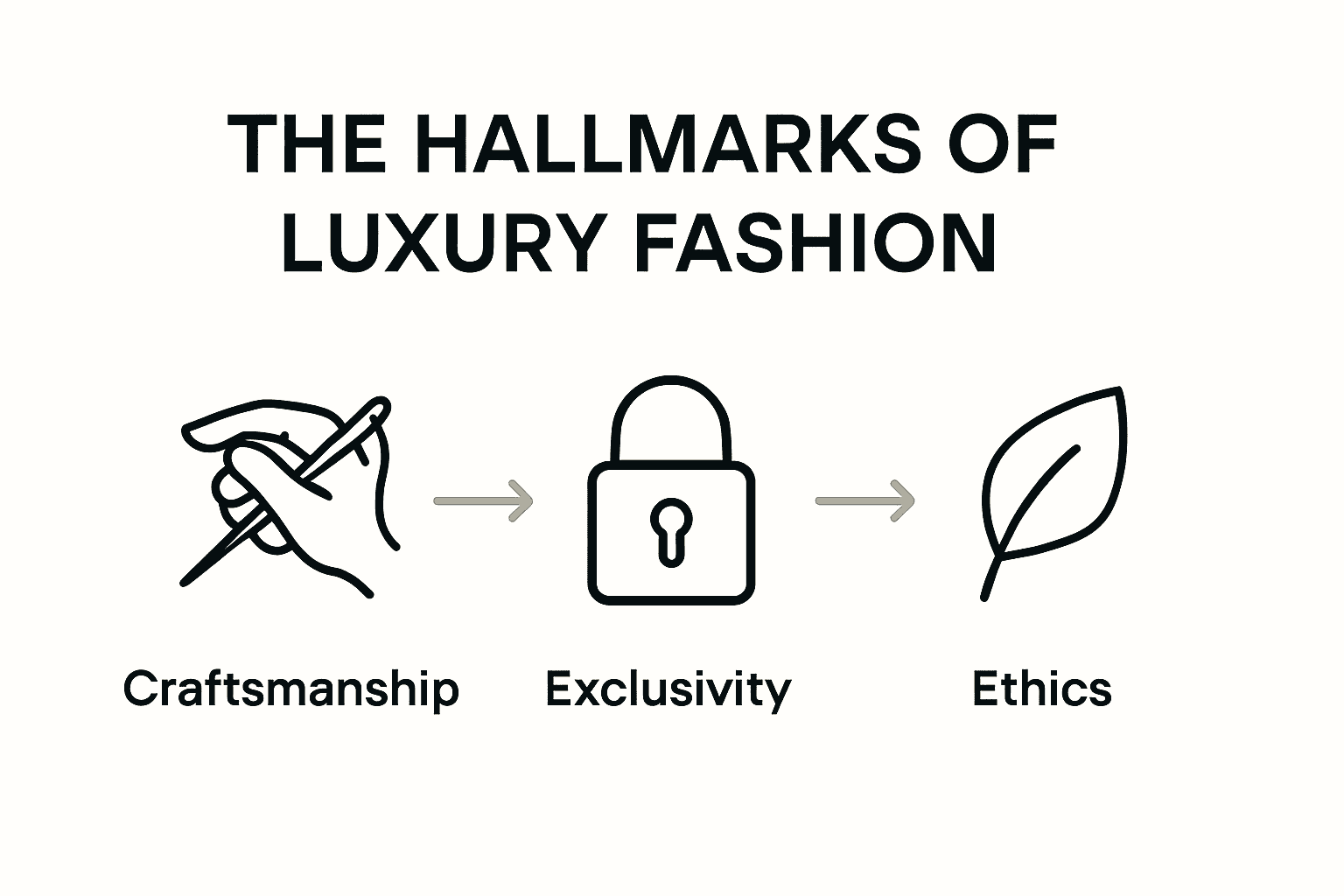
These pieces aren’t just purchased; they are carefully curated statements of individual style and sophisticated discernment.
For those seeking to understand elegant fashion more deeply, exploring the nuanced world of luxury fashion reveals a rich tapestry of design, intention, and cultural significance that extends far beyond surface-level aesthetics.
Types of Luxury Fashion: Apparel and Accessories
Luxury fashion encompasses a sophisticated realm of apparel and accessories that transcend ordinary clothing, representing the pinnacle of design, craftsmanship, and personal expression. According to research from en.wikipedia.org, haute couture represents the most exclusive tier of fashion, involving meticulously custom-fitted clothing that sets the highest standards for luxury apparel.
Luxury fashion can be broadly categorized into several distinct types:

Haute Couture: Custom-designed, hand-crafted garments created for individual clients
Ready-to-Wear Luxury: High-end designer collections available in limited quantities
Bespoke Tailoring: Precision-made clothing crafted to individual measurements
Luxury Accessories: High-end pieces including:
Designer handbags
Artisan leather goods
Fine jewelry
Luxury watches
Handcrafted shoes

Technological innovations are also transforming the luxury fashion landscape. As research from arxiv.org reveals, cutting-edge digital technologies like photorealistic virtual try-on models are revolutionizing how consumers experience high-end accessories, bridging the gap between digital presentation and physical luxury.
Contemporary luxury fashion is not just about visual aesthetics but represents a profound narrative of craftsmanship, personal identity, and cultural significance. These pieces are carefully curated expressions of individual style, connecting wearers to a rich tradition of design excellence.
Whether exploring top elegant luxury fashion accessories or understanding the nuanced world of haute couture, luxury fashion offers a deeply personal journey of sartorial expression.
Craftsmanship, Materials, and Brand Heritage
Luxury fashion represents a profound commitment to exceptional craftsmanship that transcends mere clothing production. According to research from nrl.northumbria.ac.uk, luxury brands are defined by several critical characteristics including excellent quality, aesthetic appeal, and a deep connection to heritage.
The core elements that distinguish luxury craftsmanship include:

Meticulous Handcrafting: Each piece carefully constructed by skilled artisans
Premium Material Selection: Utilizing rare, high-quality materials
Precision Engineering: Attention to minute design and construction details
Generational Techniques: Preserving traditional manufacturing methods
Artistic Expression: Transforming clothing into wearable art forms
As highlighted by thebrandingjournal.com, brand heritage plays a crucial role in luxury fashion, connecting contemporary design with rich historical narratives. The most revered luxury brands tell stories through their materials, techniques, and design philosophies—each piece becomes a testament to generations of artistic and technical expertise.
The narrative of craftsmanship extends beyond visual aesthetics, representing a deep commitment to cultural preservation and artistic excellence. When exploring the timeless elegance of handcrafted leather, one discovers how materials themselves carry stories of tradition, innovation, and uncompromising quality. Luxury fashion is not just about wearing clothing—it’s about embracing a profound artistic legacy that transforms personal style into a form of cultural expression.
Exclusivity, Slow Fashion, and Ethical Practices
Luxury fashion is experiencing a profound transformation, where exclusivity now intersects with ethical consciousness. According to research from mdpi.com, sustainability is becoming increasingly integrated into luxury marketing, challenging traditional perceptions of high-end fashion.
Key principles of ethical luxury fashion include:
Limited Production: Reducing environmental waste through intentional manufacturing
Transparent Supply Chains: Ensuring fair labor practices and worker conditions
Sustainable Material Sourcing: Prioritizing environmentally responsible raw materials
Circular Fashion Models: Designing for longevity and potential reuse
Ethical Manufacturing: Supporting local artisan communities and traditional craftsmanship
Technological innovations are further revolutionizing sustainable fashion practices. As highlighted by research from arxiv.org, emerging technologies like generative artificial intelligence and metaverse platforms are creating unprecedented opportunities for ethical production methods, enabling brands to reimagine design and manufacturing processes with minimal environmental impact.
The evolution of luxury fashion demonstrates that exclusivity need not compromise ethical standards. By embracing sustainable fashion principles, brands can create compelling narratives that honor both aesthetic excellence and environmental responsibility. This approach transforms luxury fashion from a mere consumer experience into a meaningful commitment to global stewardship and conscious consumption.
Costs, Value, and What to Avoid in Luxury

Luxury fashion represents a sophisticated investment in personal style and quality, where true value extends far beyond monetary cost. According to research from en.wikipedia.org, the psychology of luxury consumption involves complex social dynamics that transcend mere material acquisition.
Key considerations for evaluating luxury fashion investments include:
Authentic Craftsmanship: Prioritizing quality over brand name
Timeless Design: Selecting pieces with enduring aesthetic appeal
Material Integrity: Assessing long-term durability and performance
Emotional Connection: Choosing pieces that resonate personally
Potential Longevity: Evaluating potential for continued use and potential value retention

As highlighted by thebrandingjournal.com, maintaining brand integrity requires a delicate balance between perceived value and actual quality. Luxury consumers should be wary of practices that potentially dilute brand authenticity, such as excessive mass production or compromising craftsmanship standards.
Navigating the luxury fashion landscape requires discernment and a nuanced understanding of value. By avoiding conspicuous consumption and focusing on modern fashion trends that align with personal style, individuals can create a sophisticated wardrobe that represents both intelligent investment and personal expression. True luxury is not about displaying wealth, but about celebrating exceptional design, craftsmanship, and individual aesthetic sensibility.
Experience the True Essence of Luxury Fashion
Understanding the intricate balance between exclusive craftsmanship, timeless design, and ethical values is essential when navigating luxury fashion. If you seek pieces that embody authenticity, heritage, and personal expression, you deserve a curated selection that reflects these high standards. The challenge many face is finding elegant, handcrafted apparel and accessories that do not compromise on quality or sustainability.
At Vivien Lauren, we bring you collections inspired by generations of Italian craftsmanship and slow fashion principles. Our elegant dresses, bags, and shoes honor the values of limited production and impeccable material selection mentioned in the article. Step into a world where your wardrobe becomes a meaningful expression of culture and timeless sophistication.
Unlock your journey toward refined style today by exploring our curated collections at Vivien Lauren. Discover how investing in authentic, elegant fashion helps you embrace modern trends while honoring craftsmanship and sustainability. Visit Vivien Lauren now and choose pieces that tell your unique story with confidence.
Frequently Asked Questions
What defines luxury fashion?
Luxury fashion is defined by exceptional quality, limited production, heritage storytelling, ethical production, and aesthetic innovation. It transcends mere clothing to embody craftsmanship, design philosophy, and cultural expression.
What are the different types of luxury fashion?
Luxury fashion encompasses various categories including haute couture, ready-to-wear luxury, bespoke tailoring, and luxury accessories like designer handbags, fine jewelry, and handcrafted shoes.
How does craftsmanship influence luxury fashion?
Craftsmanship in luxury fashion is characterized by meticulous handcrafting, premium material selection, precision engineering, and the use of generational techniques. These elements ensure each piece is not just clothing but a wearable art form.
What role does sustainability play in modern luxury fashion?
Sustainability in luxury fashion involves ethical practices such as limited production, transparent supply chains, sustainable material sourcing, and ethical manufacturing. Modern luxury brands are increasingly integrating these principles to align with consumer values of environmental consciousness.
Recommended


