
Luxury Layering Pieces: Handmade Colorful Pashmina Shawls
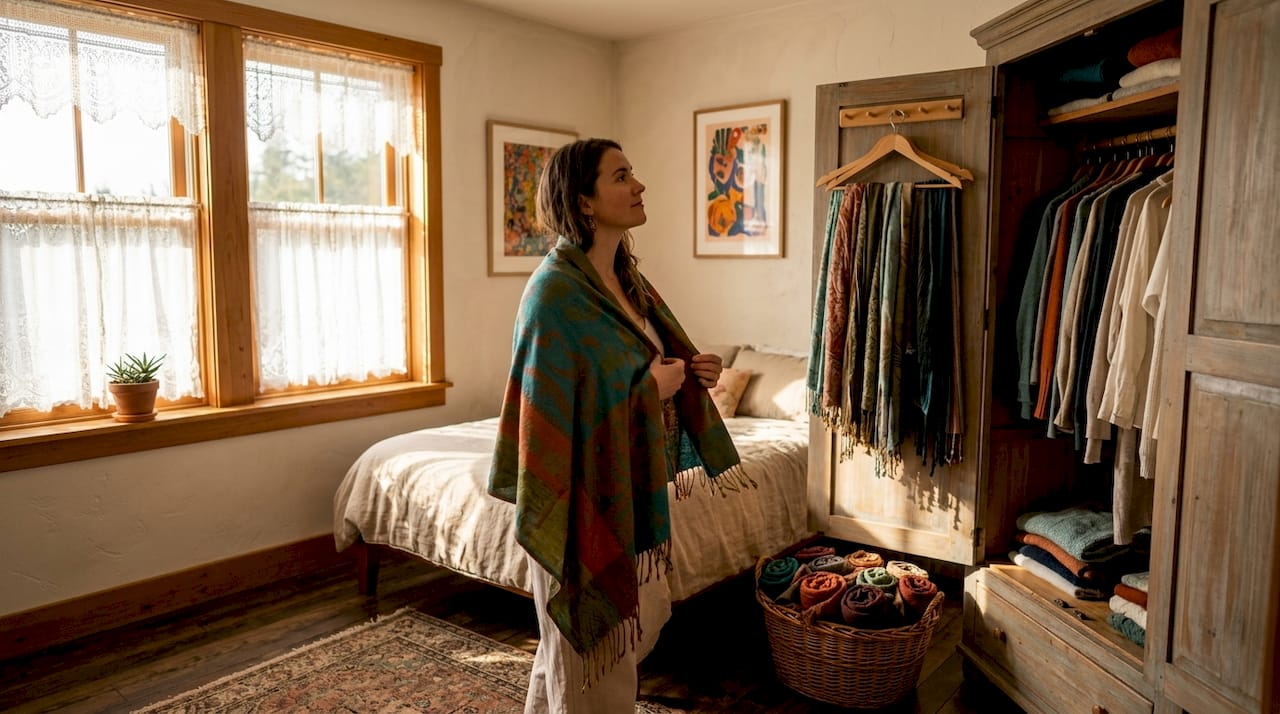
The elegance of the shawl, shoulder wrap. Handcrafted investment pieces: Vivien Lauren.
High-quality handmade pashmina shawls offer unmatched softness, artistry, and versatility for year-round styling.
Authentic craftsmanship is marked by natural irregularities, delicate fibers, and ethical sourcing, elevating their luxury status.
These shawls become lifelong wardrobe investments, improving with wear and reflecting true elegance and sustainability.
There is a particular frustration that comes with building a truly refined wardrobe: the realization that versatile, high-quality layering pieces of genuine character are extraordinarily rare. Luxury layering pieces handmade colorful pashmina shawls represent an answer to that frustration so elegant it almost feels unfair to the alternatives. Woven by hand from some of the finest fiber on earth, these shawls carry artistry, warmth, and chromatic beauty in a single drape. This guide covers how to choose, style, care for, and truly appreciate a handmade pashmina so that it becomes not just an accessory, but a cornerstone of your wardrobe.
Table of Contents
Key Takeaways
Point | Details |
Fiber quality defines luxury | Grade A cashmere at 14 to 15.5 microns delivers the softness and drape that machine-made alternatives cannot replicate. |
Color choice shapes versatility | Neutral shades layer effortlessly daily, while bold and vibrant colors function as statement accessories for curated outfits. |
Authenticity is detectable | Tight handloom weaves, natural selvedge edges, and hand-knotted fringe are reliable markers of genuine craftsmanship. |
Year-round wear is possible | Pashmina’s fiber structure makes it breathable in summer and insulating in winter, adapting to every season and setting. |
Care preserves the investment | Minimal washing, airing between wears, and careful storage protect softness and drape for years of refined use. |
What makes handmade colorful pashmina shawls luxury layering essentials
The conversation about pashmina always returns to fiber. Genuine grade A cashmere comes from the underbelly of the Changthangi goat, collected during natural molting at altitudes above 14,000 feet. At 14 to 15.5 microns in fineness, the fiber is finer than most cashmere on the market and noticeably softer against the skin than anything a machine can process. This is not a marketing distinction. It is a tactile reality you feel the moment a true pashmina settles across your shoulders.
The hand-spinning and handloom weaving processes compound that rarity. Hand-spun yarns and handloom weaving create a tactile experience that machine-made alternatives simply cannot approximate, because the slight variation in tension and the gentle interlacing of fibers produces a cloth that breathes, drapes, and moves with an organic quality. Each shawl carries the fingerprints, literally, of the artisan who made it.
Then there is the matter of color. Artisanal dyeing processes produce shades that carry depth rather than uniformity. A pale lilac, lapis blue, or vivid red hand-dyed pashmina will have subtle batch variations that make each piece unique. That is not a flaw. It is the visual signature of handcraft, and it is precisely what separates these pieces from the flat, predictable tones of mass production.
Seasonless wearability is perhaps the most underappreciated quality. Pashmina is breathable and light for warm weather and insulating enough for cold climates, meaning a single shawl serves you across all four seasons. In a wardrobe built on quality over volume, that kind of versatility is not just convenient. It is the definition of a considered luxury purchase.
Pro Tip: When examining a pashmina’s color for purchase, look at it in natural daylight. Artisanal dyes tend to shift beautifully in changing light, while synthetic dyes remain flat. That luminous depth is something you will appreciate every time you wear it.
How to choose the perfect colorful pashmina shawl for your wardrobe
Color: the architecture of your layering palette
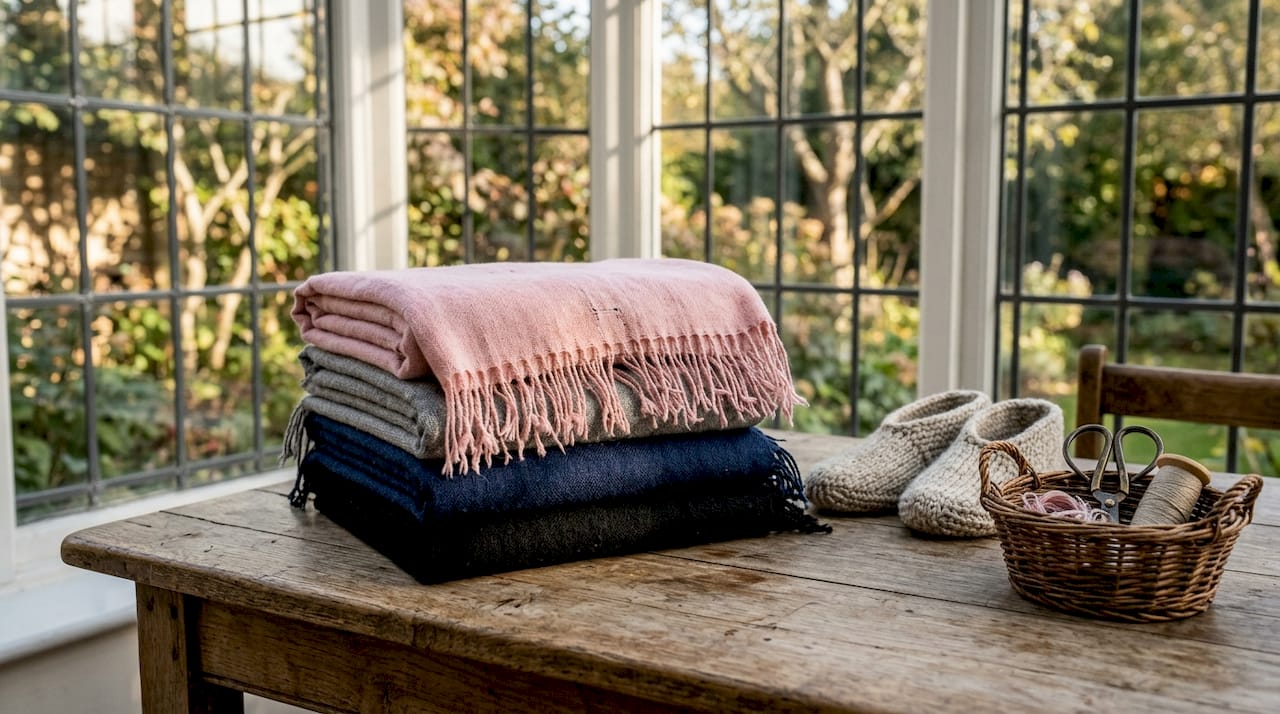
Soft pink, gray, black, and navy provide the most versatile foundation for daily layering because they complement virtually any wardrobe. A classic black pashmina transitions from morning meetings to evening dinners without a second thought. Bold colors and intricate patterns, on the other hand, serve best as statement pieces paired with neutral outfits so the shawl carries the visual weight of the look.
Size, fiber blend, and authenticity
Standard luxury pashminas measure approximately 200 by 90 centimeters, a dimension that enables the full range of draping, wrapping, and shoulder-styling techniques. Smaller sizes limit your options considerably. As for fiber content, pure 100% cashmere delivers the superior softness and drape, while pashmina-silk blends add a luminous sheen that suits more formal occasion wear.
Detecting authentic craftsmanship requires attention to three specific details:
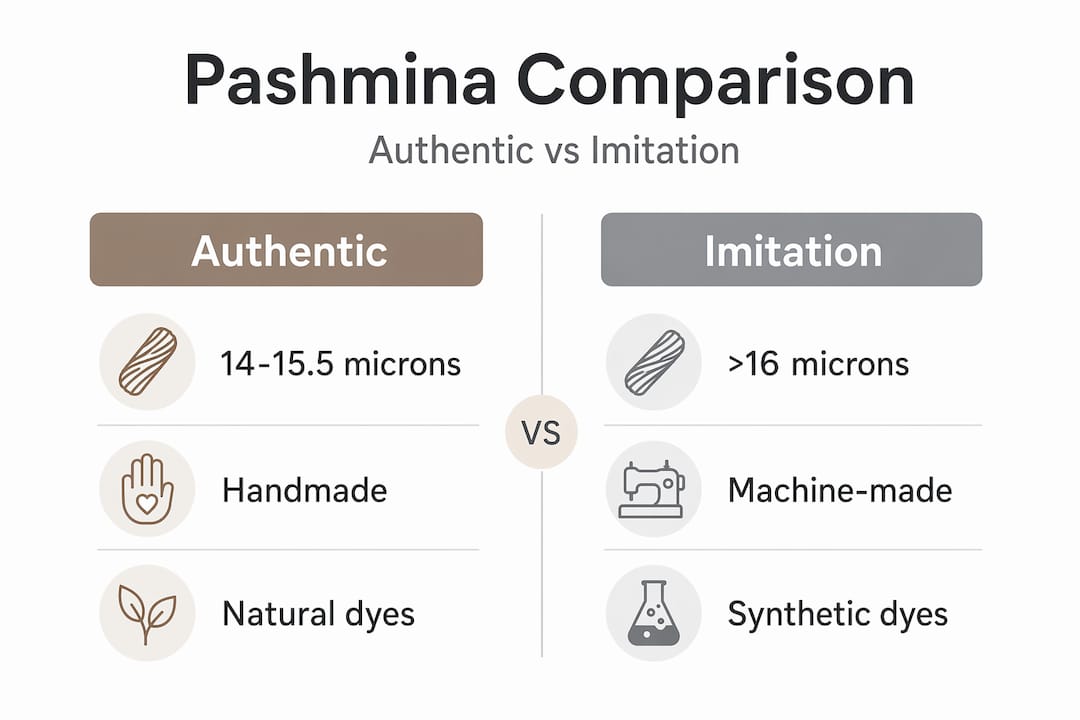
Weave quality: A genuine handloom pashmina has a tight, even weave with slight irregularity visible under close inspection. A power-loom imitation will appear perfectly uniform but also stiffer and less supple.
Selvedge edges: Authentic pashmina has natural selvedge edges with a softly finished appearance, quite unlike the stiff, often serged edges of machine-made pieces.
Fringe and finishing: Hand-knotted fringe with slight variation is the mark of genuine work. Machine-made pieces have identical, synthetic-looking fringe that lacks character.
Feature | Authentic handmade pashmina | Machine-made imitation |
Fiber fineness | 14 to 15.5 microns, grade A | Coarser fiber or synthetic blend |
Weave texture | Slight natural irregularity | Perfectly uniform and stiff |
Selvedge edges | Soft, natural finish | Stiff or serged finish |
Fringe | Hand-knotted, slightly varied | Uniform, synthetic appearance |
Drape | Fluid, organic movement | Flat and rigid |
Ethical sourcing as a luxury value
Each traceable pashmina, sourced from Himalayan goats during natural molting and crafted through direct collaboration with artisans, represents a form of luxury that extends beyond aesthetics. Knowing the provenance of your piece, from herder to weave to your hands, is a dimension of ownership that mass-market fashion cannot offer. For the thoughtful shopper, traceability is its own form of elegance.
Pro Tip: Ask the retailer for specifics on sourcing before you buy. A brand that can name the artisan community or the region of origin is offering you something far more valuable than one that cannot.
A step-by-step guide to styling your pashmina as a layering piece
There is an art to wearing a pashmina so that it looks considered rather than careless. Knowing how to wear pashmina shawls with genuine elegance involves learning a few foundational techniques and then adapting them to your own aesthetic.
Five foundational styling techniques:
The shoulder wrap: Drape the shawl symmetrically over both shoulders and let it fall open at the front. This is the most effortlessly elegant option with tailored blazers or structured dresses.
The loose scarf: Fold the shawl lengthwise into thirds, loop it once around the neck, and let the ends fall forward. Ideal for transitional-weather layering over a fine-knit sweater.
The belted drape: Wrap the shawl around the shoulders and secure at the waist with a slender belt. This transforms the piece into a soft jacket-like layer that reads as intentional and polished.
The travel layer: Fold the full shawl into a rectangle and use it as a blanket on flights, then reconstitute it as a wrap upon arrival. Pashmina’s compressibility makes this entirely practical without compromising the shawl’s shape.
The head covering: In bright sun or as a cultural gesture, the pashmina serves as a graceful covering that adds rather than subtracts from an outfit’s sophistication.
Seasonal styling considerations
For summer, the key is lightness. Drape a vibrant apricot pashmina loosely over the shoulders of a sleeveless linen dress for evenings when air conditioning makes bare shoulders uncomfortable. The shawl provides coverage without weight.
Winter layering calls for more intention. Wrap a richer shade like burgundy over a wool coat for a layered depth that reads as intentional styling rather than necessity. Tuck a portion inside the coat neckline for warmth that doubles as a sophisticated textural element.
When pairing with patterned or vibrant pashminas, commit to the contrast. A bold color shawl over a monochrome outfit does not compete. It completes.
Pro Tip: When styling a vibrant or patterned pashmina, let it set the color story for the entire look. Pull one shade from the shawl into your shoes or bag for a quietly coordinated effect that feels deliberate and polished.
Care and maintenance for your handmade pashmina
Why restraint is the highest form of care
Frequent dry cleaning degrades softness and handfeel in pashminas in a way that is difficult to reverse. The instinct to clean a precious garment regularly is understandable, but with pashmina it works against you. The goal is preservation through minimal intervention.
Best practices for long-term care:
Air between wears: After each use, hang your pashmina in open air for several hours before storing. This refreshes the fiber and reduces the need for washing.
Spot clean only when necessary: Use a small amount of cold water and a mild, pH-neutral detergent on a localized stain. Work gently with your fingertips. Never rub.
Hand wash rarely and gently: When a full wash becomes unavoidable, use cool water and a cashmere-specific detergent. Minimal washing and maximal airing preserve the fiber structure and maintain drape over years.
Dry flat: Never wring or hang a wet pashmina. Lay it flat on a clean towel to dry, reshaping it by hand while still damp.
Store folded, not hanging: Long-term hanging distorts the drape. Fold your pashmina loosely in acid-free tissue and store in a breathable cotton bag away from direct light.
For pieces with delicate embroidery or intricate weave patterns, take particular care that nothing snags the raised stitching during storage or transport.
The fiber of a well-loved pashmina tells a story. Treat it gently enough, and that story only deepens with time.
Pro Tip: Place a natural cedar block near stored pashminas to deter moths without the chemical residue of synthetic deterrents, which can compromise delicate cashmere fibers over time.
My perspective on pashminas as lifelong wardrobe investments
I have watched fashion cycle through every conceivable trend, and what I keep returning to, with genuine admiration, is the handmade pashmina. Not because it is fashionable in any given season, but because it is never unfashionable.
What strikes me most is the emotional dimension. There is something profoundly satisfying about owning a piece you know was made by human hands, by someone whose skill was refined over generations. That is not nostalgia. It is a recognition of what craftsmanship actually costs and what it gives back. Pashmina represents a sustainable luxury choice in an era when many of us are rethinking the ethics of what we buy. A traceable, naturally sourced, long-lasting shawl is the antithesis of disposable fashion.
I also think the slow improvement matters more than people realize. Luxury shawls soften and improve with wear, becoming more beautiful companions as your collection and personal style evolve. That is the opposite of how most fashion works. A pashmina rewards loyalty.
My honest advice: buy fewer shawls and buy them better. One genuinely exquisite pashmina in a color you love will do more for your wardrobe than five mediocre ones that never quite feel right.
— Vivien Lauren.
Discover Vivienlauren’s handmade pashmina collection
At Vivienlauren, the belief is that true luxury lives in the details you can feel and see. The curated collection of handmade pashmina shawls reflects a deep commitment to craftsmanship, color, and the timeless femininity that defines genuine elegance.
Each piece in the Vivienlauren pashmina range is selected for its quality of fiber, depth of color, and the irreplaceable character of handmade construction. From soft ash gray neutrals to vivid Ferrari red statements, the range offers a shawl for every facet of your style. Pair them with pieces from the broader luxury accessories collection to complete your layering looks. Visit Vivienlauren to explore the full collection and find the piece that speaks to you.
FAQ
What makes a pashmina shawl genuinely handmade?
A genuine handmade pashmina features hand-spun yarns, handloom weaving with slight natural irregularities, natural selvedge edges, and hand-knotted fringe. Machine-made pieces have stiff, uniform edges and lack the organic drape of true handcraft.
How do colorful pashminas work as layering pieces across seasons?
Pashmina is breathable for warm weather and insulating enough for cold climates, making it a year-round layering piece. Light draping suits summer evenings, while full wraps or under-coat styling provides genuine warmth in winter.
Which pashmina colors are most versatile for a luxury wardrobe?
Neutral tones like black, gray, and navy layer with virtually any outfit, while soft pink adds femininity to simple silhouettes. Bold shades like red or lapis blue work best as statement pieces paired with monochrome looks.
How often should I wash a handmade pashmina shawl?
Wash as rarely as possible. Airing between wears and spot cleaning preserve softness far more effectively than frequent washing, which degrades the delicate fiber structure over time.
Are handmade pashmina shawls worth the investment?
Yes. Authentic grade A cashmere pashminas soften and improve with wear, offer year-round versatility, and are ethically sourced and fully traceable, making them one of the most considered and enduring purchases in a luxury wardrobe.
Recommended
This fashion guide has been written for you by Shona White. On behalf of Vivien Lauren. Luxury. Craftsmanship. That's Proudly Italian. Vivien Lauren. Proud To Style.

