
Slow Fashion Explained: Craftsmanship and Timeless Style
Updated: Jan 13
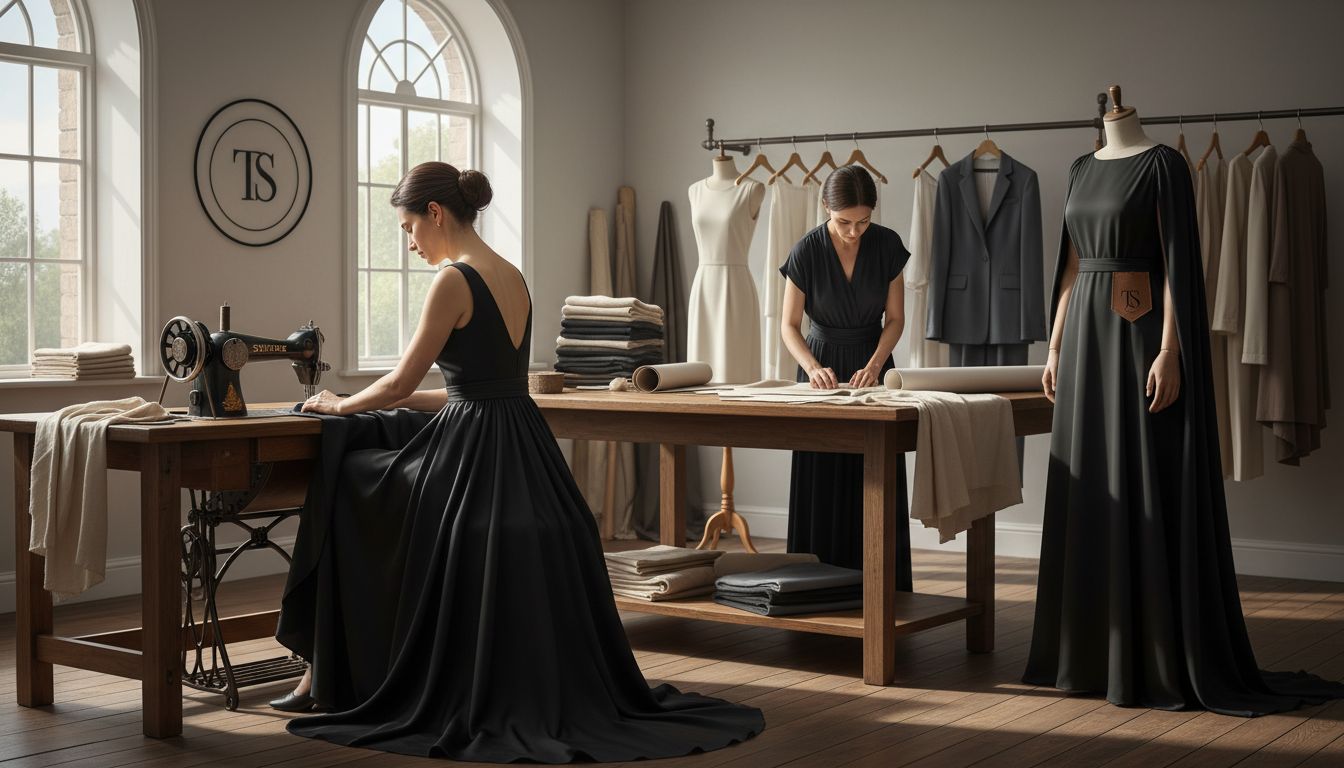
Most clothing today is worn only a handful of times before being tossed, fueling a cycle where the fashion industry generates over 92 million tons of textile waste each year. This staggering impact drives a growing movement that values quality, ethics, and sustainability over mindless consumption. If you want to make more thoughtful choices, understanding slow fashion can help you build a wardrobe that reflects your values and lasts for years.
Table of Contents
Key Takeaways
Point | Details |
Principles of Slow Fashion | Prioritizes quality, ethical production, and sustainability over fast fashion’s disposable approach. |
Brand Models | Includes seed-to-garment, made-to-order, upcycling, and artisan brands that emphasize responsible production methods. |
Environmental and Social Impact | Addresses critical issues by minimizing waste, conserving resources, and ensuring fair labor practices. |
Consumer Strategies | Encourage discerning shopping habits focused on high-quality materials and transparency in brand practices. |
What Is Slow Fashion? Core Principles Defined

Slow fashion represents a purposeful approach to clothing design and consumption that challenges the rapid, disposable nature of traditional fashion cycles. According to Wikipedia, slow fashion is a transformative concept within the sustainable fashion movement that emphasizes local artisanship, eco-friendly materials, and ethical production practices.
At its core, slow fashion advocates for a radically different clothing manufacturing system that respects three fundamental pillars: people, the environment, and animal welfare. Unlike fast fashion’s breakneck production speed, this philosophy prioritizes quality over quantity. As StudySmarter explains, the movement focuses on sustainability through strategic principles:
Prioritizing garment longevity and durability
Ensuring ethical production with fair labor practices
Utilizing eco-friendly and sustainable materials
Supporting localized production to minimize environmental impact
Creating timeless designs that transcend seasonal trends
Through these principles, slow fashion transforms clothing from a disposable commodity into a meaningful, intentional form of personal expression. By choosing timeless elegance, consumers can build wardrobes that celebrate craftsmanship, reduce waste, and support ethical production practices. The movement isn’t just about clothing—it’s a conscious lifestyle choice that reimagines our relationship with fashion, prioritizing thoughtful consumption over mindless acquisition.
Types of Slow Fashion Brands and Models
The slow fashion movement encompasses diverse brand models that challenge traditional fashion production methods, each offering unique approaches to sustainable and ethical clothing design. According to Eco-Stylist, these models range from innovative production strategies to conscious consumption principles that prioritize environmental and social responsibility.
Some prominent types of slow fashion brands include:
Seed to Garment Brands: Companies like KNOWN SUPPLY that control the entire production process, using organic materials and ensuring fair trade practices
Made-to-Order Brands: Such as Adelante, which produces items exclusively after customer orders to minimize textile waste
Upcycling and Recycling Brands: Designers who transform existing materials into new garments, reducing environmental impact
Artisan and Handcrafted Brands: Focusing on traditional craftsmanship and supporting local textile communities
Minimal and Capsule Wardrobe Brands: Creating versatile, timeless pieces designed for long-term wear
Vivien Lauren features within all of the last 3 items.
The timeless elegance of handcrafted leather represents another sophisticated approach within slow fashion. These brands emphasize quality materials, meticulous production techniques, and designs that transcend temporary trends. By investing in carefully constructed pieces, consumers participate in a more sustainable fashion ecosystem that values durability, ethical production, and individual expression over mass consumption.
Defining Characteristics: Quality, Craft, and Longevity
Slow fashion distinguishes itself through a profound commitment to craftsmanship and enduring quality that challenges the disposable nature of contemporary clothing production. According to Twyg, these brands prioritize high-quality clothing designed to last, promoting a culture of care that encourages consumers to wear garments for extended periods and actively engage in repair, restyling, and recycling.
The core characteristics of slow fashion are deeply rooted in several fundamental principles:
Exceptional Material Quality: Using premium, durable fabrics that withstand repeated wear
Meticulous Craftsmanship: Emphasizing detailed construction and precision in garment creation
Timeless Design: Creating pieces that transcend seasonal trends
Ethical Production: Ensuring fair labor practices and transparent manufacturing processes
Sustainability: Minimizing environmental impact through conscious production methods
What is elegant fashion intersects beautifully with slow fashion’s ethos, highlighting how true style emerges from thoughtful, intentional design. As StudySmarter explains, these approaches contribute to reducing environmental impact while promoting conscious consumerism.
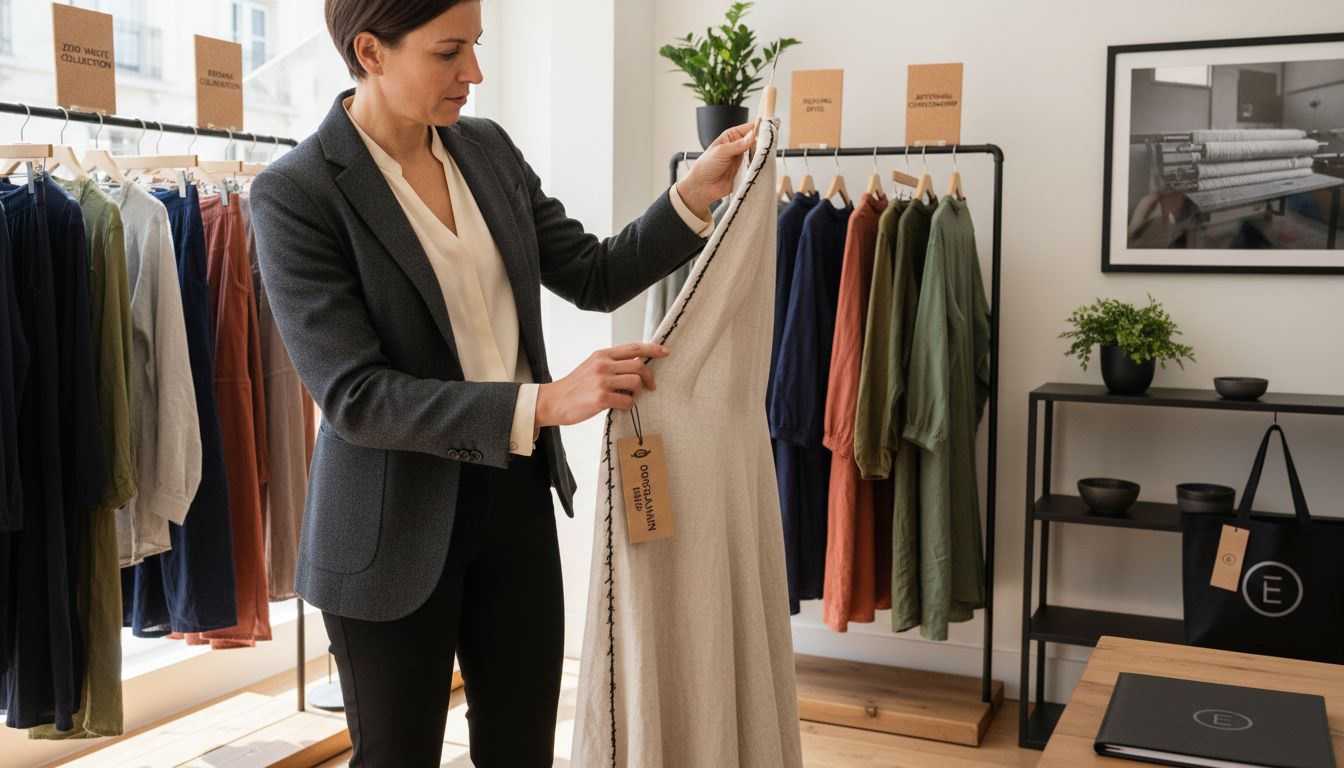
The result is a wardrobe that tells a story—each piece carefully selected, lovingly maintained, and valued not just for its aesthetic appeal, but for its deeper significance in supporting sustainable, ethical fashion practices.
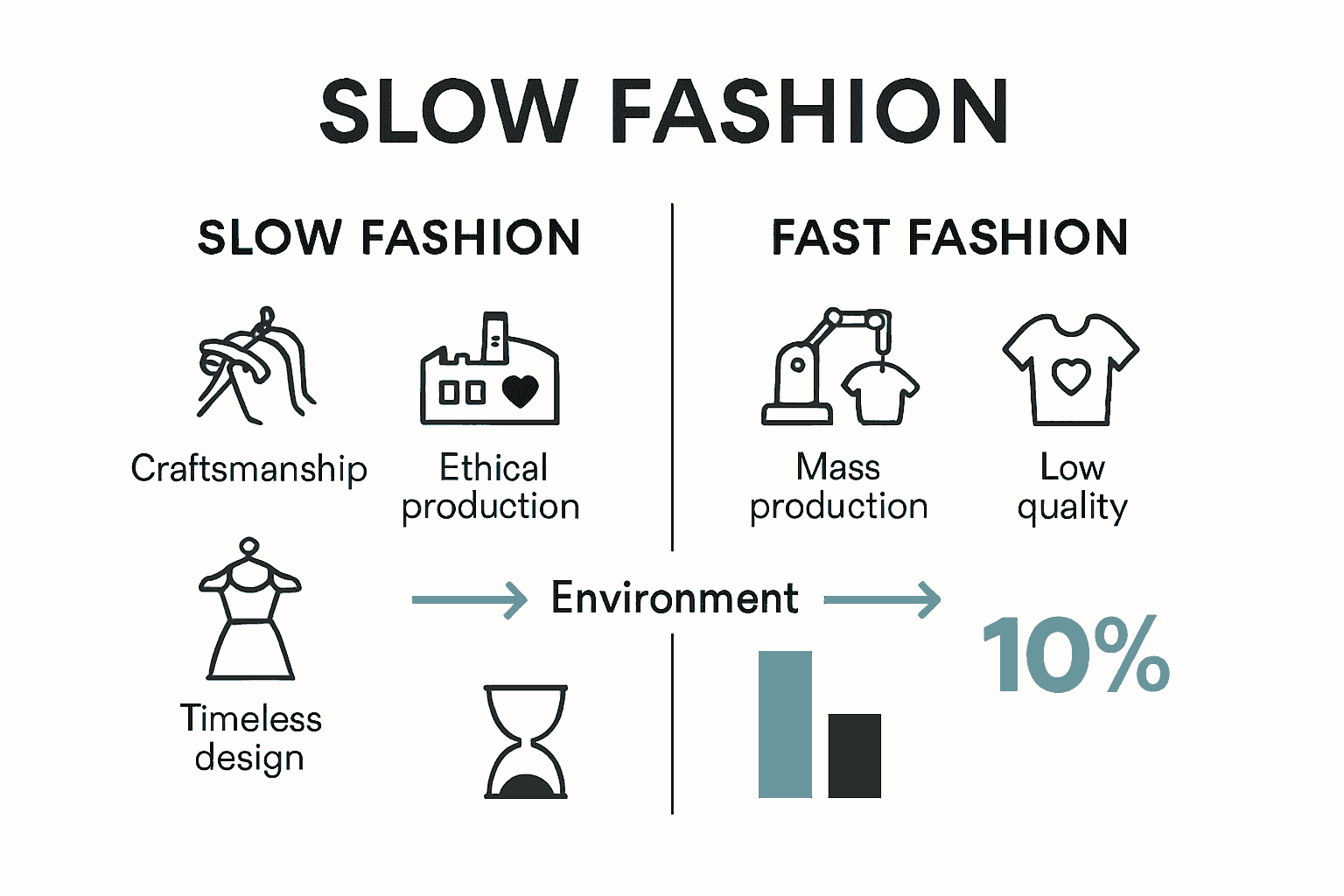
Slow Fashion’s Impact on Environment and Society
Slow fashion emerges as a powerful catalyst for transformative change, addressing critical environmental and social challenges inherent in traditional textile production. By reimagining clothing as a meaningful ecosystem of human and environmental interconnectedness, this movement challenges the destructive patterns of mass-market manufacturing and consumer behavior.
The environmental implications of slow fashion are profound and far-reaching:
Reduced Carbon Footprint: Minimizing industrial waste and energy consumption
Sustainable Material Sourcing: Prioritizing organic, recycled, and low-impact materials
Waste Reduction: Promoting garment longevity and circular design principles
Water Conservation: Limiting the enormous water consumption typical of fast fashion
Chemical Pollution Prevention: Selecting eco-friendly dyes and production processes
Caring for Your Elegant Wardrobe represents more than aesthetic maintenance—it embodies the social transformation slow fashion champions. This approach empowers workers through fair wages, safe working conditions, and respect for traditional craftsmanship. By valuing human dignity alongside environmental stewardship, slow fashion creates a holistic model of consumption that recognizes the intrinsic worth of both people and planetary resources.
The movement isn’t just about creating beautiful clothing, but about rebuilding a more just, sustainable relationship between consumers, creators, and the global ecosystem.
How to Identify and Shop Slow Fashion
Identifying and shopping for slow fashion requires a discerning approach that goes beyond superficial aesthetic choices. According to Twyg, conscious consumers should look for brands that create high-quality, durable clothing while promoting a culture of care through ethical production and transparent supply chains.
Key strategies for identifying authentic slow fashion brands include:
Material Examination: Look for low-impact materials like organic cotton, recycled fibers, and sustainably sourced textiles, upcycled or repurposed materials like cow hides or those from sheep skin. These being a natural part of our food chain. Hides are acquired at the natural end of that chain.
Transparency Check: Research brands’ manufacturing processes and labor practices
Quality Assessment: Evaluate garment construction, fabric durability, and timeless design
Ethical Production Indicators: Seek brands that provide fair wages and safe working conditions
Longevity Potential: Choose pieces designed for multiple seasons and versatile styling
Top Elegant Luxury Fashion Accessories Guide complements the slow fashion journey by highlighting how mindful selection extends beyond clothing to comprehensive wardrobe curation. As StudySmarter suggests, adopting slow fashion can also involve shopping second-hand, supporting local artisans, and prioritizing quality over quantity. The ultimate goal is creating a wardrobe that reflects personal style while contributing to a more sustainable and ethical fashion ecosystem.
Embrace Timeless Elegance with Slow Fashion Principles
The challenge many face today is creating a wardrobe that truly lasts, reflecting personal style while honoring the craftsmanship and ethical values outlined in slow fashion. This means moving beyond fast fashion’s disposable cycle and investing in quality, durability, and timeless design. At Vivien Lauren, we celebrate this vision by offering handcrafted apparel and accessories made in Italy. Our collections embody the core slow fashion values of exceptional material quality, meticulous craftsmanship, and conscious production, helping you build a wardrobe that supports ethical fashion and expresses your unique style.

Discover how you can transform your wardrobe with pieces designed to endure seasons and trends. Explore our curated selection of elegant dresses, bags, and more at Vivien Lauren, where every item tells a story of dedicated artisanship and sustainability. Act now to join a community that values thoughtful consumption and experience the luxury of truly timeless fashion.
Frequently Asked Questions
What are the core principles of slow fashion?
The core principles of slow fashion include prioritizing garment longevity, ensuring ethical production practices, utilizing eco-friendly materials, supporting localized production, and creating timeless designs that transcend seasonal trends.
How can consumers identify slow fashion brands?
Consumers can identify slow fashion brands by examining the materials used (looking for organic, recycled, and sustainably sourced textiles), checking for transparency in manufacturing processes, assessing the quality and durability of garments, and looking for ethical production indicators such as fair wages and safe working conditions.
What are some characteristics of slow fashion clothing?
Slow fashion clothing is characterized by exceptional material quality, meticulous craftsmanship, timeless design, ethical production methods, and a focus on sustainability to minimize environmental impact.
How does slow fashion impact the environment and society?
Slow fashion positively impacts the environment by reducing carbon footprints, conserving water, and decreasing chemical pollution. It also benefits society by empowering workers through fair wages and safe working conditions, fostering a more equitable fashion ecosystem.
Recommended
This piece on Slow Fashion, has been authored by Chloe on behalf of Vivien Lauren. Vivien Lauren. Luxury. Craftsmanship that's Proudly Italian. Vivien Lauren. Proud to Style.


