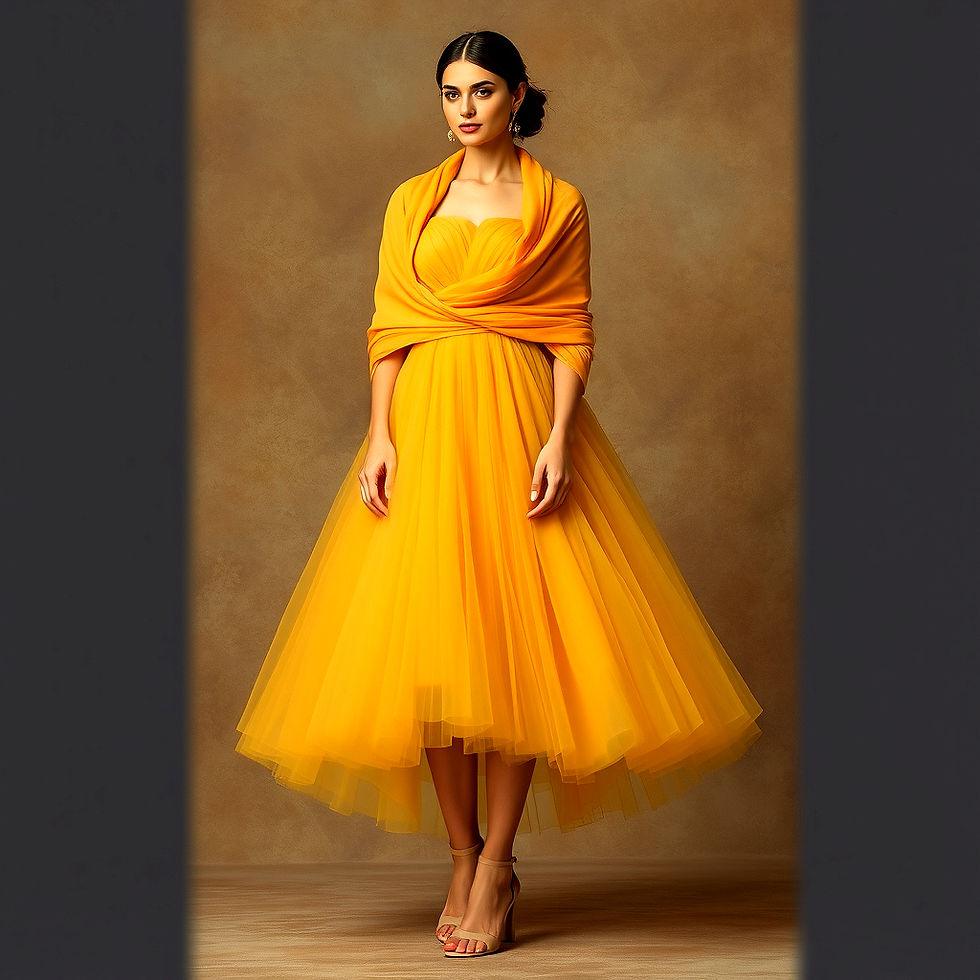
Velvet Virtuoso: Deep Textures for a Powerful Stage Presence
Updated: Feb 24

Choosing the right fabric can make every outfit radiate luxury and confidence, especially when your stage presence matters. Velvet, with its rich texture and luminous sheen, has enchanted royalty from ancient Egypt to Renaissance Italy and continues to captivate style icons today. As you seek Italian-made designs for unforgettable impact, discover how velvet’s storied heritage and sensory appeal turn personal style and performance into a true art form.
Table of Contents

Quick Summary
Key Insight | Explanation |
1. Velvet enhances stage presence | Velvet’s light-reflecting properties and rich textures create visual drama, transforming performers into dynamic artistic statements. |
2. Understanding velvet’s history | Knowledge of velvet’s evolution from ancient luxury to modern accessibility provides valuable context for its cultural significance. |
3. Choose the right velvet type | Selecting the appropriate velvet type for costumes enhances performance by balancing mobility, comfort, and aesthetic impact. |
4. Importance of garment fitting | Proper fitting is essential as it helps identify movement restrictions, ensuring the velvet outfit supports rather than hinders performance. |
5. Style for comfort and versatility | Utilizing strategic pairing and layering can create versatile velvet outfits that maintain comfort while showcasing artistic expression. |
Step 1: Craft an Engaging Introduction with Velvet’s Appeal
Velvet represents more than just a fabric - it’s a transformative medium that elevates performance presence through its rich textural narrative. From ancient royal chambers to contemporary concert stages, luxurious textile traditions have celebrated velvet as an embodiment of sophistication and artistic expression.
Understanding velvet’s profound appeal requires exploring its remarkable journey. Historically crafted through intricate weaving techniques, velvet emerged as a symbol of power and prestige. Its unique construction - featuring densely cut pile that creates extraordinary light-reflecting qualities - distinguishes it from ordinary fabrics. The fabric’s ability to capture and transform light makes it an exceptional choice for performers seeking visual drama and textural depth.
When selecting velvet for stage performances, consider these critical attributes:
Exceptional light-reflecting properties
Rich depth of color and texture
Ability to communicate emotional intensity
Versatility across performance styles
Velvet transforms a performer from merely wearing an outfit to becoming a living, breathing artistic statement.
Fabric Selection Strategies demand careful consideration of movement, comfort, and visual impact. The right velvet can amplify your stage presence, turning each gesture into a choreographed moment of artistic expression.
Pro tip: Select velvet with slight stretch for maximum mobility and comfort during high-energy performances.
Step 2: Explore Velvet’s Rich History and Enduring Beauty
Diving into the remarkable journey of velvet reveals a tapestry of cultural significance and artistic innovation. Textile artisans from ancient civilizations meticulously developed techniques that transformed simple threads into luxurious fabric, creating a textile that would symbolize power and sophistication across centuries.

The evolution of velvet tells a fascinating story of human creativity and craftsmanship. Originating in ancient Egypt around 2000 BCE, this extraordinary fabric traversed continents, becoming a hallmark of wealth and artistic expression. During the medieval and Renaissance periods, Italian cities like Venice and Florence emerged as epicenters of velvet production, with artisans developing intricate weaving methods that elevated the fabric from mere clothing to a statement of cultural prestige.
Key historical milestones in velvet’s development include:
Ancient Egyptian textile innovations
Middle Eastern weaving techniques
Italian Renaissance refinement
Industrial Revolution democratization
Velvet represents more than fabric - it is a living narrative of human artistic achievement.
Cultural Significance extends beyond mere aesthetic appeal. Velvet became a canvas for expressing social status, artistic skill, and cultural identity. Its transformation from a royal privilege to a widely appreciated textile mirrors broader societal changes.
Pro tip: Research the regional variations of velvet production to appreciate the nuanced cultural stories woven into each fabric.
Step 3: Analyze Velvet-Making Evolution and Signature Techniques
Unveiling the intricate world of velvet production reveals a fascinating journey of technological innovation and artistic craftsmanship. Specialized textile weaving techniques have transformed this luxurious fabric from a labor-intensive artisan product to a versatile textile accessible to performers and fashion enthusiasts worldwide.

Historically, velvet production was an extraordinarily complex process involving face-to-face weaving methods where two fabric layers were meticulously woven and then carefully cut to create its signature soft pile. Traditional artisans used specialized looms with intricate configurations, inserting pile warp threads between fabric layers and raising them using precise wire techniques. This painstaking method meant velvet was initially a privilege reserved for aristocracy, with each piece representing hours of skilled craftsmanship.
Key evolutionary stages in velvet production include:
Here’s a look at how velvet’s evolution influenced both craftsmanship and accessibility:
Historical Era | Velvet-Making Technique | Impact on Society |
Ancient Egypt | Manual heddle loom weaving | Reserved for elite classes |
Italian Renaissance | Intricate pile weaving, artisan looms | Symbol of prestige and artistry |
Industrial Revolution | Early mechanization and fiber blends | Broader access to velvet |
Modern Era | Automated looms, synthetic fibers | Widespread, diverse use |
Manual heddle loom techniques
Introduction of jacquard loom technology
Synthetic fiber integration
Automated manufacturing processes
The art of velvet-making represents a delicate dance between technological innovation and artistic tradition.
Technological Progression has dramatically expanded velvet’s potential. Modern production methods utilize automated looms and synthetic fibers, enabling more complex patterns, increased durability, and greater design flexibility while preserving the fabric’s quintessential luxurious texture.
Pro tip: Examine the weave direction and pile height to understand a velvet fabric’s quality and performance characteristics.

Step 4: Select the Best Velvet Silhouettes for Stage Impact
Crafting a powerful stage presence requires understanding how stage performance fabric dynamics transform your visual narrative through strategic silhouette selection. Velvet emerges as a transformative textile that can elevate your performance from ordinary to extraordinary, offering unparalleled depth and dramatic potential.
The key to selecting remarkable velvet silhouettes lies in understanding fabric behavior and movement. Certain cuts amplify your stage presence more effectively than others, creating visual poetry through strategic design. Woven rayon, polyester velvet, and stretch velvet provide unique opportunities for performers, each offering distinct advantages in drape, mobility, and visual impact. Jewel-toned velvets in particular can create stunning visual statements, supporting looks that range from regal elegance to contemporary edge.
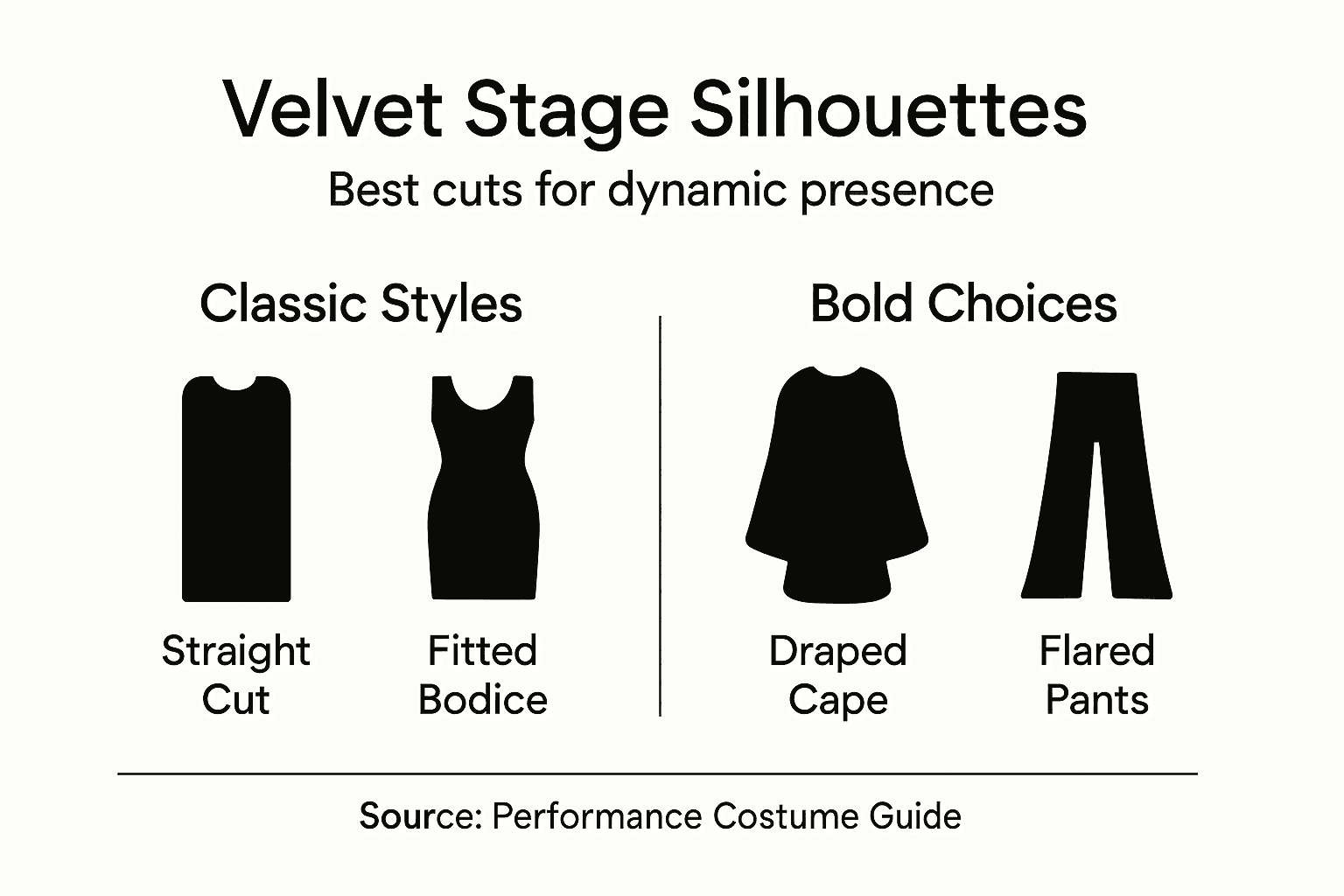
Ideal velvet silhouettes for stage performance include:
Compare key velvet fabric types for stage performance:
Velvet Type | Best Use Case | Key Benefit |
Woven Rayon Velvet | Formal evening wear | Lustrous finish |
Polyester Velvet | High-durability pieces | Easy maintenance |
Stretch Velvet | Dance or active costumes | Enhanced mobility |
Fluid skirts with dramatic sweep
Fitted blazers with structured shoulders
Evening gowns with strategic draping
Performance wear with stretch panels
Your silhouette is not just clothing - it is a visual instrument of artistic expression.
Fabric Selection Strategies demand careful consideration of movement, color, and performance requirements. The right velvet can transform your stage presence, turning each gesture into a choreographed moment of visual storytelling.
Pro tip: Choose velvet with slight stretch and strategic seaming to maximize both aesthetic impact and physical comfort during performance.
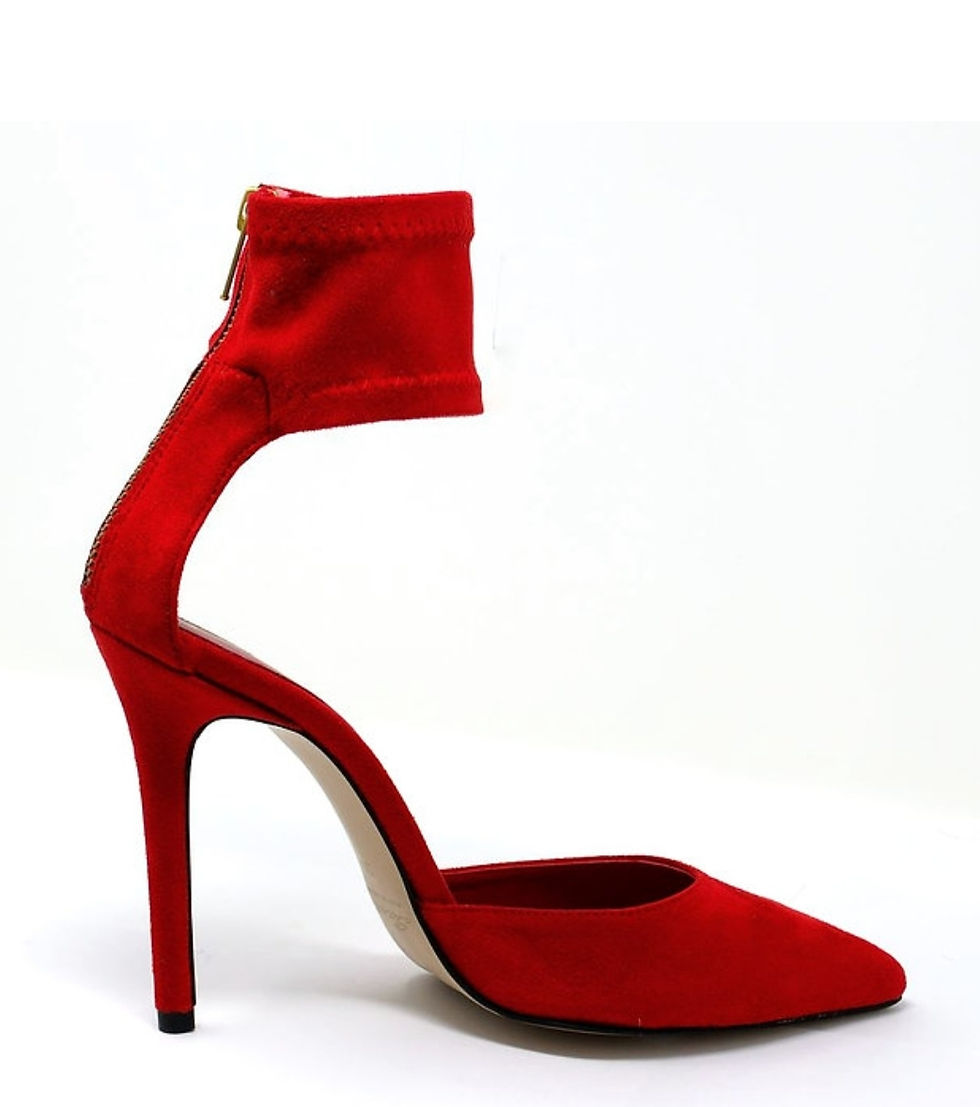
Step 5: Style Velvet Outfits with Comfort and Iconic Inspiration
Mastering the art of velvet styling requires understanding how to transform this luxurious fabric into versatile, comfortable performance wear. Velvet styling techniques offer performers a nuanced approach to creating iconic looks that balance visual drama with practical wearability.
The secret to exceptional velvet outfit styling lies in strategic pairing and understanding fabric behavior. Winter performances demand thoughtful layering, with velvet pieces that transition seamlessly between formal and smart-casual contexts. Consider velvet trousers paired with complementary tops, or skirts that create visual interest through strategic draping and accessorizing. The key is maintaining a balance between the fabric’s inherent glamour and your personal artistic expression.
Essential velvet styling strategies include:
Pairing with complementary fabric textures
Selecting appropriate fit and silhouette
Incorporating subtle, strategic accessories
Balancing rich texture with understated elements
Velvet is not just a fabric - it is a language of performance and personal narrative.
Performance Wardrobe Considerations demand careful attention to movement, comfort, and visual impact. Each velvet piece should feel like a second skin, allowing you to express your artistic vision without physical constraint.
Pro tip: Choose velvet pieces with slight stretch and strategic seaming to maximize both aesthetic elegance and performance mobility.
Step 6: Test Performance Fit for Mobility and Confidence
Understanding the critical relationship between costume design and performer effectiveness requires a scientific approach to performance garment fitting. Your velvet outfit must become an extension of your artistic expression, supporting every movement with precision and comfort.
The fitting process is a meticulous journey of iterative adjustments and strategic measurements. Designers and performers collaborate to assess fabric tension, movement ranges, and potential pressure points. Dynamic testing involves simulating performance movements, identifying areas where fabric might restrict motion or create discomfort. By carefully analyzing shoulder mobility, arm reach, and overall body dynamics, you can transform a beautiful velvet outfit into a powerful performance instrument.
Critical fit assessment strategies include:
Measuring full range of motion
Identifying potential fabric tension zones
Assessing shoulder and arm mobility
Evaluating comfort during complex movements
A perfectly fitted costume is the silent partner in your artistic performance.
Mobility Optimization requires a holistic approach that balances aesthetic elegance with functional design. Each adjustment should enhance your ability to express yourself without physical constraint.
Pro tip: Perform your most challenging choreographic movements during fitting to reveal subtle fit limitations.
Elevate Your Stage Presence with Luxurious Velvet Elegance
The article highlights the challenge performers face in choosing velvet that combines visual drama, comfort, and mobility to create a powerful stage presence. Key goals include finding velvet silhouettes that move gracefully, reflect light beautifully, and support intense performance activity without sacrificing style or comfort. Velvet is not merely fabric but a vital part of artistic storytelling through texture, color, and fit.
At Vivien Lauren, discover a curated collection of elegant accessories crafted with exquisite Italian craftsmanship to help you compliment your velvet selection and embody sophistication and confidence. Each piece is designed to enhance your silhouette and allow freedom of movement, matching the article’s emphasis on mobility and fabric selection strategies. Whether you seek rich jewel tones or pieces that blend traditional luxury with modern stretch technology, our collection supports every dramatic gesture on stage or in everyday life.
Begin your transformation today by exploring our exclusive luxury selections.

Luxury Leather Mini Bags made in Italy 
Luxury Misty Gray Mini Bag with bamboo 
Handcrafted Luxury Italian Leather Suede Mules by Vivien Lauren
Make your presence unforgettable with velvet that speaks your artistic language. Shop now at Vivien Lauren and experience craftsmanship, comfort, and style that empowers your performance and personal expression.
Frequently Asked Questions
What qualities should I consider when choosing velvet for stage performance?
Choosing velvet for stage performance involves considering its light-reflecting properties, depth of color, and texture. Select velvet that enhances your emotional expression and offers versatility for your performance style.
How can I style velvet outfits for maximum stage impact?
To style velvet outfits effectively, pair them with complementary textures and consider the fit for movement. Aim for silhouettes that create visual drama, such as fluid skirts or fitted blazers, to elevate your stage presence.
What are the best velvet fabric types to use for different performance styles?
Woven Rayon Velvet is ideal for formal evening wear due to its lustrous finish, while Polyester Velvet offers durability for high-energy pieces. Stretch Velvet is perfect for dance costumes as it provides enhanced mobility.

What steps can I take to ensure my velvet costume fits properly for performance?
To ensure proper fit, measure your full range of motion and identify any tension zones in the fabric. Conduct fitting sessions while performing specific movements to uncover any limitations and make necessary adjustments.
How does the history of velvet influence its modern use in performance?
The rich history of velvet, from ancient luxury to contemporary accessibility, greatly influences its modern application. Understanding this history can help performers appreciate the significance of their costumes and embrace velvet’s transformative qualities.
Recommended
This fashion piece on the velvet fabric, has been written by Chloe on behalf of Vivien Lauren. Vivien Lauren. Luxury. Craftsmanship that's Proudly Italian. Vivien Lauren. Proud To Style.