
How Fabrics Are Made: The Craft Behind Luxury Fashion

You might have wondered while in admiration of a fashion piece you were taken with as you looked deeper into the quality of the fabric, beyond the color, just how that fabric was created.
Today we are going into the world of fabric making, yes today for a change we are diving right there deep into the world of Engineering! The world of Textile Engineering. This usually follows the process of Conceptual generation stage, Design, Development and Manufacture to managing the end cycle.
If your wardrobe choice is such that it blends in sophistication with sustainability, then putting it together can feel like a balancing act, especially if you value every detail from thread to final finish. This is why understanding textile fabrics matters for fashion-savvy women seeking genuine Italian and European craftsmanship.
You’ll discover how fiber sourcing, innovative design, and ethical production shape the quality and desirability of luxury garments, offering deep insights into what truly defines premium fabric in fashion.
Table of Contents
Key Takeaways
Point | Details |
Fabric Definition | Fabrics in luxury fashion are not just materials; they are engineered expressions of artistry, defined by structural composition, durability, flexibility, and texture. |
Fiber Composition | Understanding natural and synthetic fibers is crucial, as each offers distinct advantages and challenges for designers, affecting a garment’s quality and performance. |
Manufacturing Processes | Textile manufacturing involves spinning, weaving, and knitting, each process profoundly influencing the final fabric’s characteristics and artistic potential. |
Sustainability and Ethics | Quality in luxury fashion is increasingly tied to sustainability and ethical sourcing, with consumers demanding transparency and responsible production practices. |
What Defines a Fabric in Fashion
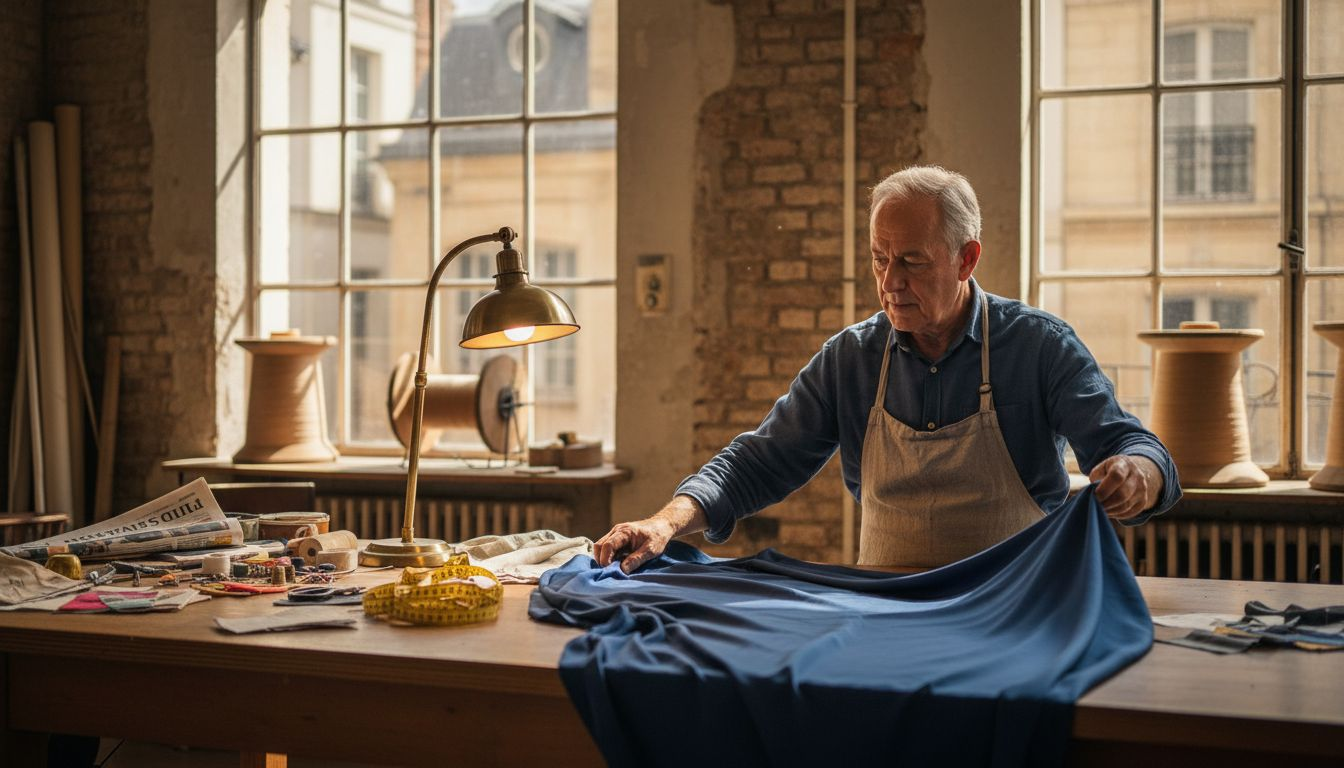
In the intricate world of luxury fashion, a fabric is far more than just a material—it’s a carefully engineered medium of artistic expression. Textile fabrics are sophisticated two-dimensional structures crafted from fibers or yarns, designed to deliver specific performance characteristics and aesthetic qualities.
At its core, a fabric is defined by several fundamental attributes:
Structural Composition: How fibers are arranged and interwoven
Material Strength: The fabric’s ability to withstand stress and wear
Flexibility and Elongation: Its capacity to move and conform with the human body
Surface Texture: The sensory experience of touch and visual appearance
Thickness: how much of the fabric covers each square inch. This may also impact warmth and breathable levels of the material, as well as flexibility of the fabric
Modern textile design explores innovative conceptual frameworks that transform fabrics beyond traditional understanding. Fabric design transcends mere surface creation, emerging as a complex intersection of engineering, artistry, and cultural expression.
Professional designers evaluate fabrics through multidimensional lenses: examining their construction, membrane-like qualities, and potential for translating creative vision into wearable art. Each fabric tells a story—of craftsmanship, technological innovation, and human creativity.
Pro tip: When assessing a high-quality fabric, run your fingers across its surface and pay attention to its weight, drape, and how it responds to gentle stretching.
Fiber Types: Natural vs. Synthetic
In the world of luxury fashion, understanding fiber composition is crucial for creating exceptional garments. Fibers serve as the fundamental building blocks of textiles, with two primary categories: natural and synthetic, each offering unique characteristics that designers carefully consider for performance and aesthetic appeal.
Natural fiber categories encompass three distinct groups:
Plant-Based Fibers: Derived from cellulose-rich sources like cotton, hemp, and linen
Animal-Based Fibers: Protein-rich materials including wool, silk, and cashmere
Mineral-Based Fibers: Rare natural fibers like asbestos and metallic threads
Synthetic fibers, by contrast, are engineered materials created through complex chemical processes.
Petroleum-Based: Common synthetics like polyester and nylon are made from petrochemicals, including ethylene and p-xylene, rather than being naturally occurring.
Polymerization: The process involves creating synthetic polymers, often polyethylene terephthalate (PET),the same material used in plastic bottles.
Production Process: The polymers are melted and forced through a spinneret to create long, thin fibers, similar to making plastic spaghetti.
Major Types: The dominant synthetic fibers in the market are polyester, nylon, acrylic, and polypropylene, which together make up nearly 98% of synthetic fiber production.
These laboratory-developed textiles offer precise performance characteristics that natural fibers cannot always match. Synthetic fibers present environmental trade-offs between durability and ecological impact, challenging designers to balance performance with sustainability.
The choice between natural and synthetic fibers involves more complex and refined considerations beyond simple material properties. Breathability, moisture-wicking capabilities, environmental sustainability, and manufacturing processes all play critical roles in determining a fabric’s ultimate quality and desirability in high-end fashion.
Here’s a concise comparison of natural and synthetic fibers relevant to luxury fashion:
Fiber Type | Main Advantage | Key Challenge |
Natural | Highly breathable comfort | Prone to wrinkles and moisture damage |
Synthetic | Exceptional durability and stretch | Environmental impact from production |
Pro tip: Always examine a fabric’s fiber composition under natural light to truly appreciate its unique texture and potential performance characteristics.
Spinning, Weaving, and Knitting Processes
Luxury fashion transforms raw fibers into exquisite textiles through a complex series of interconnected processes. Textile manufacturing represents an intricate dance of technical precision and artistic vision, where each stage contributes to the fabric’s final character and performance.
Spinning: Transforming loose fibers into continuous, strong yarns (thread)
Weaving: Interlacing yarns at right angles to create structured fabrics
Knitting: Interlooping yarns to produce flexible, elastic textile structures
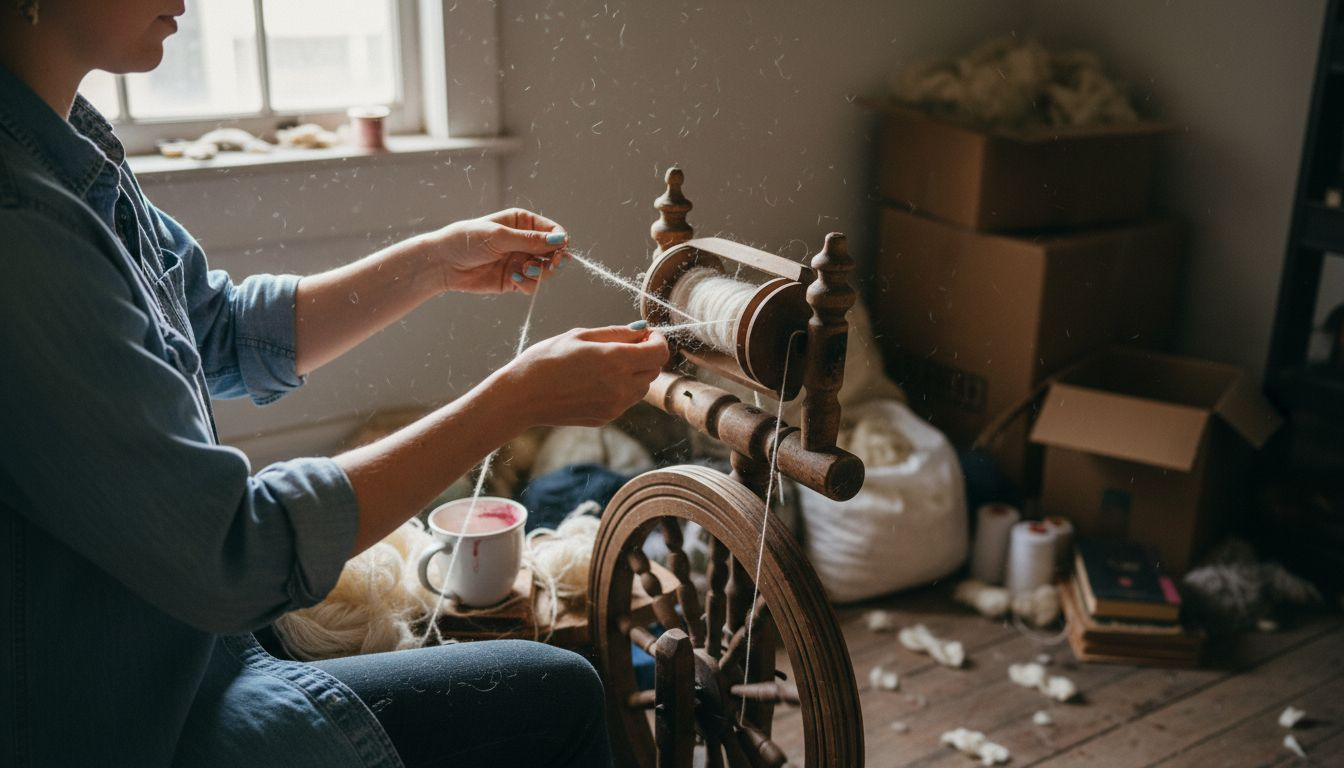
Spinning serves as the critical first step, where individual fibers are carefully aligned and twisted to create continuous yarn. The spinning technique dramatically influences the yarn’s strength, texture, and ultimate fabric performance. Different spinning methods—including ring spinning, open-end spinning, and long-draw spinning—produce yarns with unique characteristics tailored to specific design requirements.
Traditional spinning Jenny - spinning yarn from merino wool:
Weaving and knitting represent two distinct approaches to fabric construction, each offering unique aesthetic and functional properties. Innovative textile platforms now enable designers to prototype and validate fabric structures with unprecedented precision, pushing the boundaries of textile engineering.
Pro tip: When evaluating a high-end fabric, examine its structure closely—the intricacy and density of its weave or knit can reveal volumes about its quality and craftsmanship.
Finishing Touches: Dyeing and Treatments
In luxury fashion, the final stages of fabric production transform raw textiles into extraordinary materials through intricate finishing techniques. These processes are far more than cosmetic adjustments—they are sophisticated interventions that enhance a fabric’s performance, durability, and aesthetic appeal.
Dyeing processes represent a critical value-added treatment, involving complex interactions between dyes and textile fibers:
Color Penetration: Ensuring uniform and deep color absorption
Color Fastness: Maintaining vibrant hues through washing and wear
Fiber Preservation: Protecting textile integrity during coloration
Modern textile finishing has evolved dramatically, incorporating advanced technologies that go beyond traditional methods. Functional finishing techniques now include innovative approaches like nanotechnology (manipulation of matter at the scale of a billionth of a meter) treatments that can provide water resistance, antimicrobial properties, and enhanced durability.
Chemical and mechanical treatments play pivotal roles in transforming fabrics. Designers can now modify textile surfaces to create unique textures, improve performance characteristics, and introduce specialized functionalities that elevate a garment from merely beautiful to technologically sophisticated.
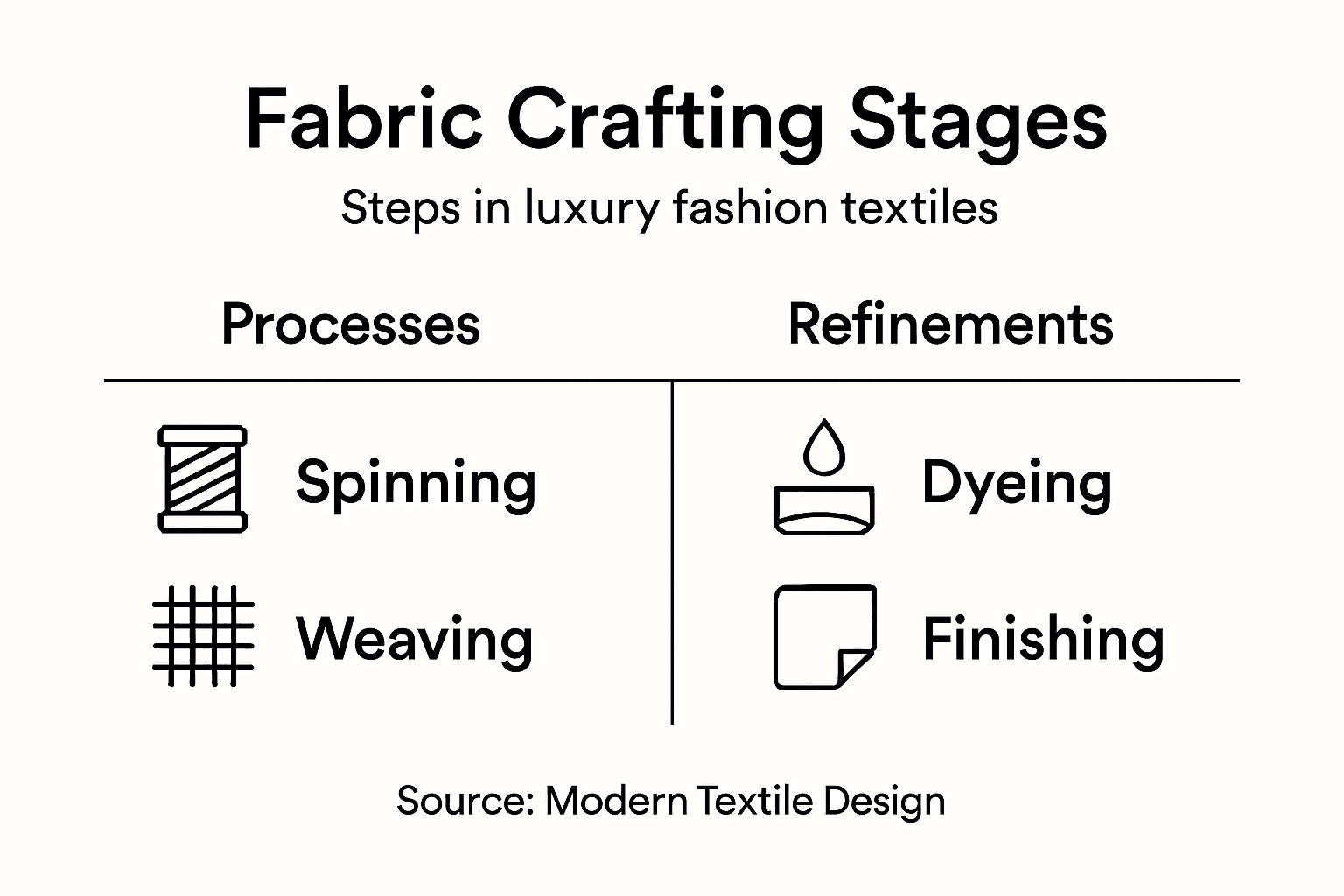
The following table summarizes the impact of various textile finishing techniques in luxury fashion:
Technique Type | Enhanced Property | Notable Example |
Chemical Treatment | Water repellency added | Nano-coatings |
Mechanical Treatment | Texture refinement | Calendering |
Functional Finishing | Antimicrobial features | Silver infusion |
Pro tip: Examine a high-quality fabric’s finish by feeling its texture and observing how light reflects off its surface—superior treatments create a nuanced, refined appearance.
Quality, Sustainability, and Ethical Sourcing
Luxury fashion is undergoing a profound transformation, where exceptional quality now intrinsically links with responsible production practices. The modern consumer demands more than beautiful garments—they seek transparency, environmental consciousness, and genuine ethical commitment throughout the entire manufacturing process.
Sustainability in luxury fashion involves multiple strategic approaches:
Eco-Friendly Materials: Organic, recycled, and bio-based fabric selections
Circular Design: Minimizing waste through regenerative production methods
Carbon Footprint Reduction: Implementing low-impact manufacturing techniques
Supply Chain Transparency: Ensuring traceable and responsible sourcing
The ethical dimensions of fashion production extend far beyond material selection. Ethical sourcing requires comprehensive considerations that encompass worker welfare, fair compensation, and safe working environments. Each decision—from fiber selection to final garment construction—carries profound human and environmental implications.
Today’s luxury fashion brands are increasingly recognizing that true craftsmanship cannot exist in isolation from social and ecological responsibility. The most sophisticated designers now view sustainability not as a constraint, but as an opportunity for innovation, differentiation, and meaningful connection with conscientious consumers.
Pro tip: When evaluating a garment’s sustainability, look beyond marketing claims and seek verifiable certifications that demonstrate genuine commitment to ethical practices.
Discover the Art of Fabric Craftsmanship in Every Piece
The journey from fiber to fabric defines the timeless elegance and exceptional quality you seek in luxury fashion. This article highlights the essential role of craftsmanship, spinning, weaving, and finishing processes in creating fabrics that offer not just beauty but durability, comfort, and innovation. At Vivien Lauren, we bring you curated collections that embody these very principles. Our handcrafted apparel fabrics and accessories are made in Italy using techniques passed down through generations, ensuring each piece reflects the highest standards of textile mastery and sophisticated design.

Elevate your wardrobe with garments that tell a story of meticulous fabric creation and ethical responsibility. Explore our range to experience fabrics engineered for luxury and sustainability. Visit Vivien Lauren now and delight in elegant fashion that celebrates both artistry and conscious craftsmanship. Take the first step toward timeless style and embrace quality that lasts.
Frequently Asked Questions - how are fabrics made
What defines a fabric in luxury fashion?
A fabric is defined by its structural composition, material strength, flexibility, and surface texture, all of which contribute to its performance characteristics and aesthetic qualities.
What are the main types of fibers used in textile manufacturing?
There are two primary categories of fibers: natural fibers, which include plant-based (like cotton and linen), animal-based (such as wool and silk), and mineral-based materials; and synthetic fibers, which are engineered through chemical processes to offer specific performance qualities.
What processes are involved in creating textiles?
The creation of textiles involves three fundamental processes: spinning, where fibers are turned into yarns; weaving, where yarns are interlaced to form structured fabrics; and knitting, which interloops yarns to create flexible textile structures.
How do finishing techniques enhance fabric quality?
Finishing techniques, such as dyeing and various treatments, improve a fabric’s performance, durability, and aesthetics, adding features like water resistance, antimicrobial properties, and refined textures.
Recommended
This exploratory study into the process of fabric making, that is, the subject of Textile Engineering has been brought to you by Shona White. On behalf of Vivien Lauren. Vivien Lauren. Luxury. Craftsmanship. That's Proudly Italian. Vivien Lauren. Proud to Style.


