
What defines luxury accessories: a woman's guide
Updated: 4 days ago

Luxury accessories: your guide to Chic Elegance by Vivien Lauren.
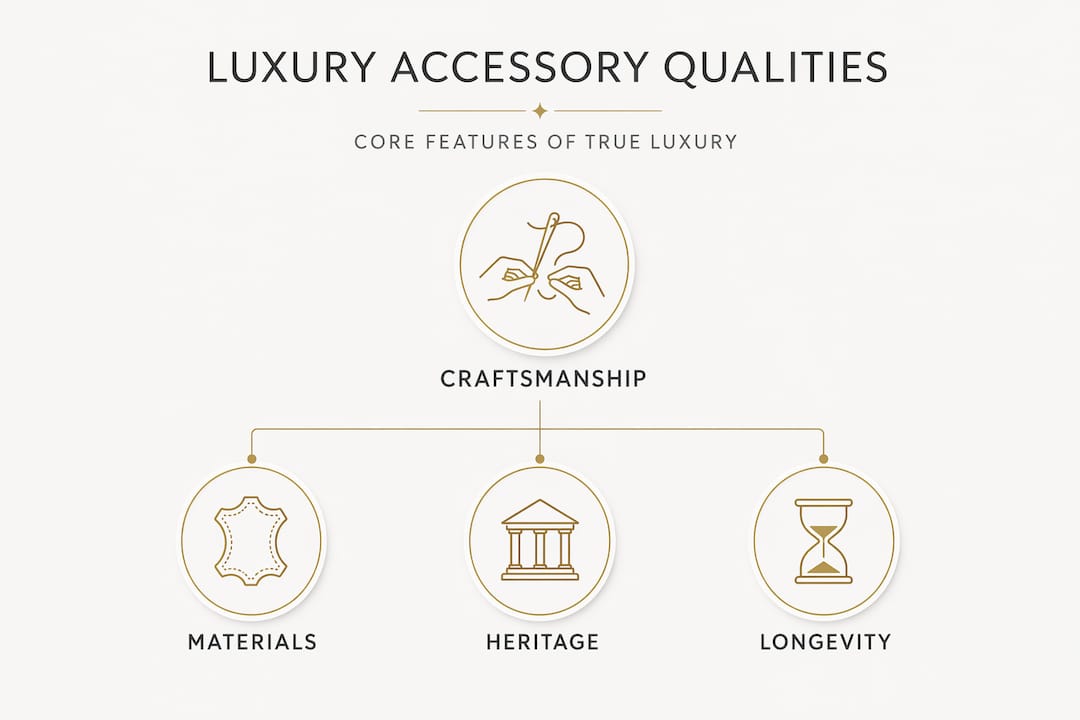
Luxury accessories are defined by craftsmanship, heritage, versatility, and enduring beauty, not just high prices or logos. Authentic luxury items feature hand-finished, rare materials like full-grain leather, precise stitching, and consistent design codes that develop character over time. Modern luxury emphasizes high performance, versatility, and long-term value through careful material selection and timeless design principles.
There is a persistent and, frankly, costly misconception circulating in fashion circles: that luxury accessories are simply the ones with the largest price tags or the most recognizable logos. Many discerning women have experienced the quiet disappointment of purchasing something expensive, only to find it scuffed at the edges within a season, or so visually loud that it refuses to pair with anything else in the wardrobe. Understanding what defines luxury accessories, truly and completely, requires looking past surface glamour and into the substance beneath. It is about craftsmanship, heritage, versatility, and the kind of beauty that deepens rather than fades over time.
Table of Contents
The craftsmanship and materials that set luxury accessories apart
To understand real luxury, first consider the craftsmanship and materials that create lasting beauty and performance. This is not simply a matter of price or prestige; it is the physical language in which quality speaks.
Full-grain leather scarcity and hand-finishing define the highest expression of luxury leather goods, and the reason is rooted in both rarity and care. Only 10 to 15 percent of all hides qualify as full-grain, meaning the surface has not been sanded, buffed, or corrected to remove natural marks. These imperfections are not flaws. They are the signature of an authentic material, one that will age into a deeply personal patina over years of wear.
Artisanal finishing involves multi-layered handwork that supports durability and unique patina over time, and the techniques themselves tell a story of dedication. Edge burnishing, skiving (the careful thinning of leather edges before folding), and saddle stitching with waxed linen thread are processes that machines cannot replicate with true consistency. Where a machine stitches at uniform speed regardless of material tension, a skilled artisan adjusts in real time, sensing resistance and correcting accordingly. That responsiveness is what makes the difference between a bag that lasts fifteen years and one that begins to unravel at the seams within two.
Here is a comparison of the most common leather types found in the accessories market today:
Leather type | Surface character | Durability | Patina development | Price impact |
Full-grain | Natural, unaltered | Highest | Rich, unique over time | Premium |
Top-grain | Lightly sanded | High | Moderate | Mid to high |
Nubuck | Buffed to velvet finish | Medium | Limited | Mid-range |
Corrected grain | Heavily treated, uniform | Lower | Minimal | Accessible |
The characteristics of luxury items in this context are visible to those who know what to look for:
Even, tight saddle stitching in waxed thread
Painted or burnished edges, not raw or glued
Clean, consistent lining attachment at corners
Hardware that sits flush, without gaps or movement
Natural surface variation in leather grain
Pro Tip: Run your fingertip along the edges of a bag before buying. Luxury finishing feels smooth and sealed, not rough or simply painted over. If the edge peels or feels hollow, the finishing is not up to standard.
Modern luxury: performance, versatility, and cost per wear
With materials and craftsmanship defined, let’s explore how performance and versatility determine modern luxury’s true value. This is where the conversation around luxury accessory market trends has shifted most dramatically in recent years.
Luxury shoppers now prioritize cost per wear and long-term performance over image-only hype. Cost per wear is a straightforward but illuminating metric: divide the purchase price of an accessory by the number of times you realistically expect to wear it. A £1,200 bag worn three times weekly over five years costs far less per use than a £400 piece worn a dozen times before it feels limiting or worn out. This reframing changes everything about how we shop.
“The cleanest way to evaluate luxury accessories in this market is cost per wear.”
For bags specifically, the criteria that contribute to wearability and true high-end accessory qualities include:
Shape: Does the silhouette complement multiple dress codes?
Weight: Is the bag comfortable when filled, or does it strain the shoulder?
Strap drop: Does the carry height suit your frame and typical outfits?
Interior organization: Are there pockets designed thoughtfully, not just decoratively?
Closures: Do zippers glide without force? Do clasps open and close intuitively?
Jewelry follows a similar logic. The pieces that endure in a wardrobe are not the most elaborate ones. They are the small gold hoops that move from a morning meeting to an evening dinner without a second thought, or the slender chain that layers with everything from a silk blouse to a linen shirt. Stackable rings and architectural cuffs that transition across contexts represent the modern ideal: understated versatility grounded in exquisite materials.
Factors influencing cost per wear for any elegant luxury accessories purchase:
Durability of materials and construction over repeated use
Styling range across casual, business, and formal contexts
Comfort during extended daily wear
Timelessness of design, meaning it remains relevant beyond one trend cycle
Repairability, since a piece that can be restored extends its life significantly
Pro Tip: Before purchasing, spend a moment imagining three distinct outfits in which the piece would appear. If you struggle to identify three, reconsider whether the piece truly offers the versatility that defines modern luxury.
Heritage and brand continuity: the soul of timeless luxury
Beyond physical qualities, the legacy and consistent identity of a brand enrich the luxury experience in ways that are harder to touch but no less real.
Heritage is strategic continuity of recognizable codes that build trust and long-term desirability. It is a concept that differs meaningfully from mere history. A brand may be old without being prestigious, and a newer brand may carry genuine heritage if it has been deliberate, disciplined, and consistent in its design values from the beginning. Heritage is lived and chosen, not simply accumulated.
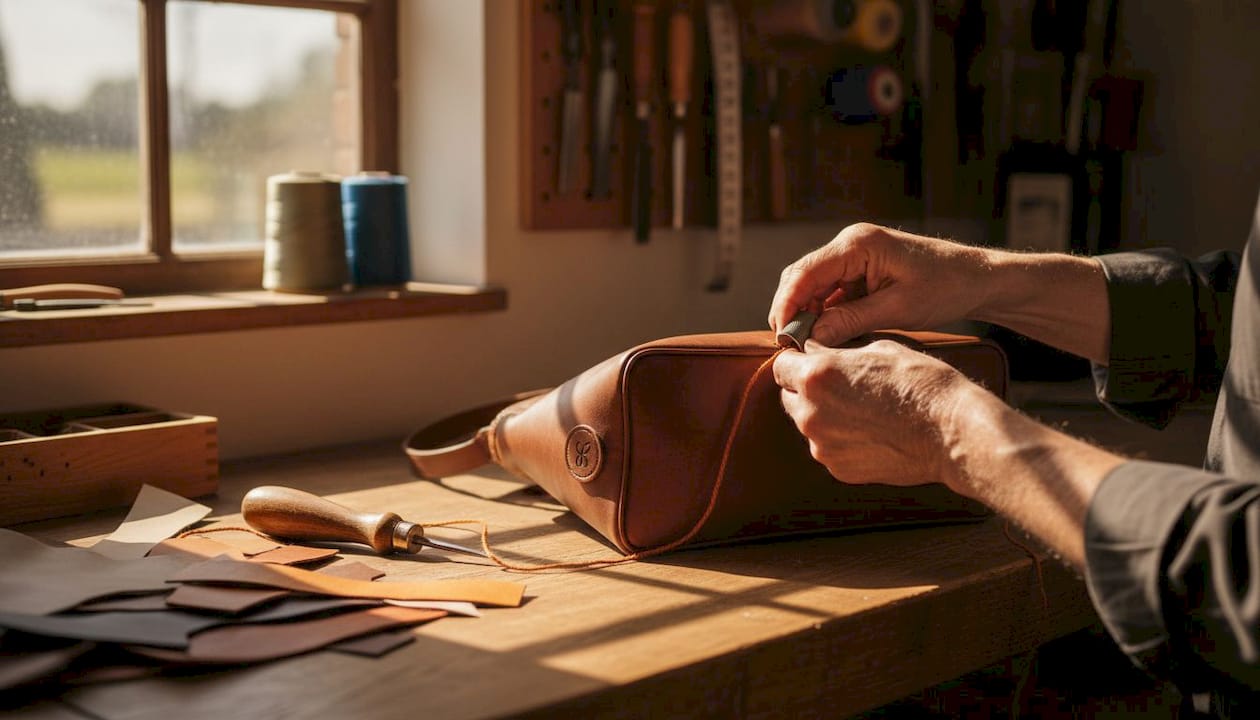
What fashion heritage importance means in practical terms is that the artisans, motifs, materials, and proportions of a brand remain in recognizable conversation with one another across decades. Think of an iconic clasp shape that appears in a modern silhouette, slightly refined but unmistakably itself. Or a signature weave pattern that has appeared in variations across generations of collections, never abandoned, only evolved. This coherence makes luxury legible without explanation.
The key elements that compose genuine luxury heritage include:
Design codes: Recurring shapes, proportions, and structural elements across collections
Materials: Consistency in sourcing, often tied to specific regions or traditions
Motifs: Patterns, hardware signatures, or embellishments that become visual shorthand for the brand
Narratives: Stories of founding artisans, regional craft traditions, or design philosophies that remain current
Aesthetic discipline: The courage to resist trend cycles and maintain a defining point of view
When a brand demonstrates this kind of continuity, it earns something that no marketing campaign can manufacture: credibility rooted in demonstrated commitment to a vision. That credibility is embedded in every piece it produces, and you carry it with you when you wear it.
Recognizing true luxury: practical tips to identify quality accessories
Now that you understand what defines luxury, here are practical pointers to help you choose wisely. Knowing how to identify luxury accessories before a purchase is a skill that protects both your investment and your sense of style.
Luxury consumers value visible hand-craftsmanship and meticulous finishing, which signal authenticity and quality in ways that are tangible if you know where to look. Here is what to examine:
Stitching type and consistency: Saddle stitching runs as two threads through a single hole, creating a stitch that holds even if one thread breaks. Machine stitching, by contrast, can unravel entirely if one stitch fails.
Edge finishing: Genuine luxury finishing is burnished or painted in multiple layers, creating a smooth, sealed edge that will not fray or peel.
Hardware weight and action: Quality clasps feel substantial. Zippers move without resistance. Hinges open without grinding. Lightweight, resistant, or rough hardware is a reliable warning sign.
Leather surface: Natural full-grain leather will show slight variations in grain, tone, and texture. A surface that looks uniformly flawless and plastic-smooth is almost certainly heavily corrected or synthetic.
Interior quality: Examine the lining. Loose threads, uneven gluing at corners, or fabric that pulls away from seams reveal where corners have been cut.
Provenance: Authentic luxury accessories from established artisan traditions frequently include information about their origin, materials, and the craftspeople involved.
Pro Tip: Authentic artisan accessories often come with repair or restoration services as a deliberate commitment to longevity. A brand willing to service what it sells demonstrates confidence in the lasting quality of its work. Always ask whether a brand offers this.
Why many miss the mark on what truly defines luxury accessories
Having equipped you to identify quality, let’s reflect on why this understanding redefines luxury shopping itself. Because the gap between what is marketed as luxury and what is genuinely luxurious has never been wider, and it costs you more than money to get this wrong.
We have observed that many brands over-index on trend cycles or visual hype without giving shoppers a convincing long-term case for a purchase. The result is an abundance of expensive items that look extraordinary in a campaign photograph and feel ordinary, or even disappointing, in the hands of the woman who bought them. This is not a small irony. It is a fundamental failure of what luxury is supposed to offer.
“A great product can stand up to scrutiny and prove its long-term worth over image alone.”
True luxury, in our view, is not a category defined by exclusivity of access. It is defined by integrity of execution. The piece that rewards you more with each passing season, that tells a quiet story of the places you have worn it, that requires care and in return offers beauty that cannot be replicated by any cheaper substitute. That is the real thing. And it is an experience that sits at the intersection of artisanship and value, not in the glow of a brand logo alone.
What troubles us most is that many women who genuinely love and appreciate quality are still guided primarily by marketing signals, like brand recognition, celebrity association, and seasonal visibility, rather than the tactile and structural evidence that we have outlined throughout this article. The skill of identifying defining luxury fashion accessories is learnable, and once learned, it transforms how you shop entirely.
Pro Tip: Before making a significant purchase, consider the full context of your life: how often will this piece appear in your day, across what seasons and settings, and does its quality justify your investment in those terms?
Explore curated luxury accessories that embody timeless craftsmanship
At Vivien Lauren, we believe that the most beautiful accessories are those that carry both intention and longevity. Each piece in our collection is chosen with the principles we have explored here: exceptional materials, artisan finishing, versatile design, and a design sensibility grounded in timeless Italian craftsmanship passed down over generations.

Our luxury fashion accessories collection brings together pieces that meet the modern definition of genuine luxury, wearable across occasions, crafted to last, and refined enough to feel exquisite every time you reach for them. Whether you are drawn to the structured beauty of our Italian leather bags or searching for an elegant occasion dress to complete a thoughtfully assembled look, each selection reflects our commitment to pieces that prove their worth far beyond a single season. Discover what enduring elegance truly feels like.
Frequently asked questions
What materials should I look for in a luxury leather accessory?
Look for full-grain leather, known for its natural surface, durability, and ability to develop a rich patina over time, as full-grain leather is widely regarded as the highest expression of luxury in leather goods.
Why is craftsmanship important in defining luxury accessories?
Craftsmanship ensures durability and unique finishing details like hand-stitched seams and burnished edges, which elevate an accessory’s quality and longevity, as artisanal finishing demands skilled handwork that supports both product durability and aesthetic depth.
How does heritage influence the value of luxury accessories?
Heritage represents a brand’s consistent design codes and traditions that build trust and long-term desirability, making pieces recognizable and timeless beyond fleeting trends, because strategic continuity of recognizable codes builds luxury authority and genuine desirability across generations.
What does “cost per wear” mean in luxury shopping?
Cost per wear is the effective value you get by dividing the purchase price by how often you use the accessory, and it is the clearest way to evaluate luxury accessories by focusing on longevity and frequency of real use rather than upfront price alone.
How can I spot fake luxury accessories?
Look for uneven stitching, poor edge finishing, and artificial aging as signs of counterfeit items, because genuine luxury accessories show consistent, meticulous work and quality materials, while finishing details like uneven stitching and poor edge paint often betray counterfeit goods immediately.
Recommended
This fashion piece has been authored for you by Shona White. On behalf of Vivien Lauren. Vivien Lauren. Luxury. Craftsmanship That's Proudly Italian. Vivien Lauren. Proud To Style.

