The History of Luxury Fashion: From Ancient Craft to 2026
- Chloe
- 1 day ago
- 8 min read
The History of Luxe.
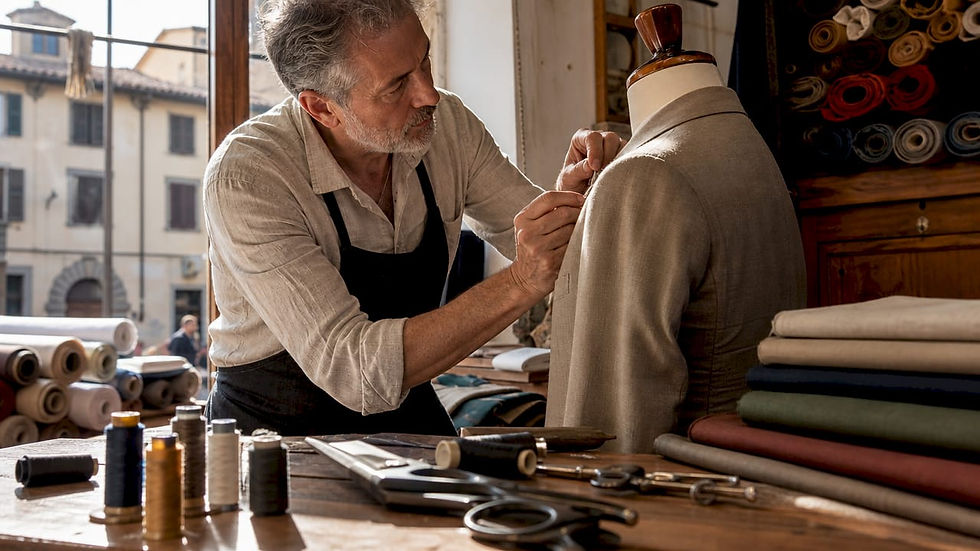
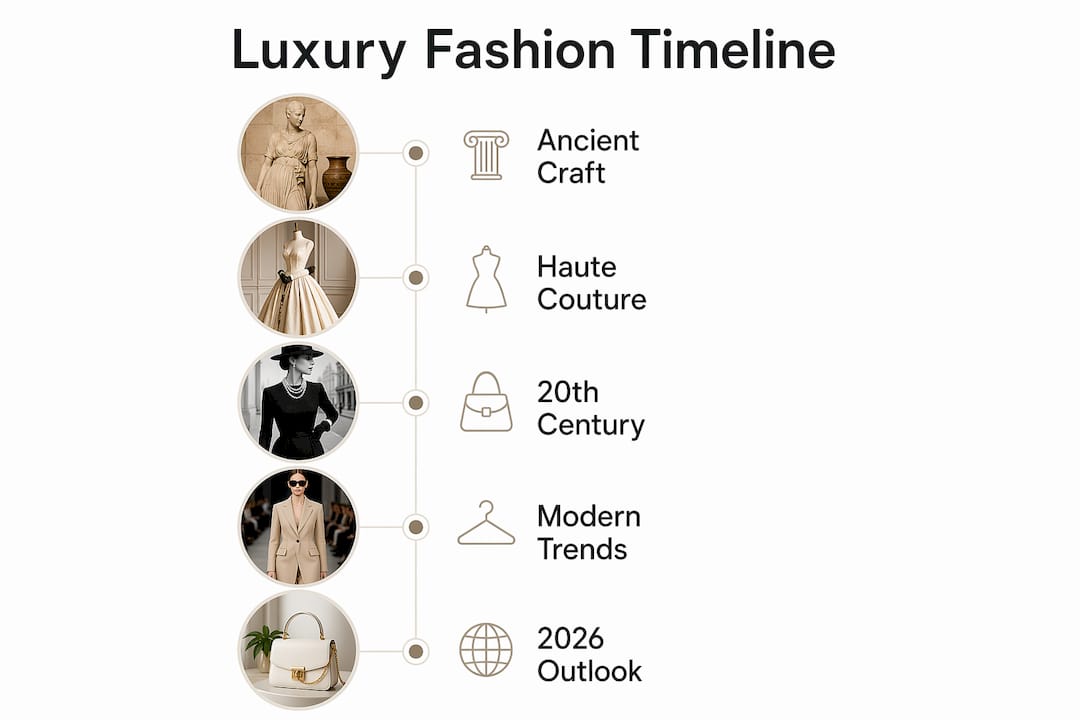
Luxury fashion originated in the ancient world as a political and cultural symbol of power using rare materials. Charles Worth’s 1858 fashion house established bespoke craftsmanship and seasonal collections, shaping modern haute couture standards. Today, luxury emphasizes tailored quality and authenticity, returning to heritage and artisanal craft amid sustainability and evolving consumer values.
The history of luxury fashion is the story of craftsmanship, social power, and cultural aspiration woven together across millennia. Luxury fashion, known formally as haute couture and its broader industry descendants, traces its lineage from the jeweled collars of Egyptian pharaohs to the sculptural tailoring of Paris runways in 2026. Charles Frederick Worth founded the first true fashion house in 1858, marking the moment when clothing became a branded art form rather than a simple trade. Understanding this evolution reveals why the finest garments have always meant far more than fabric and thread.
What is the history of luxury fashion, and where did it begin?
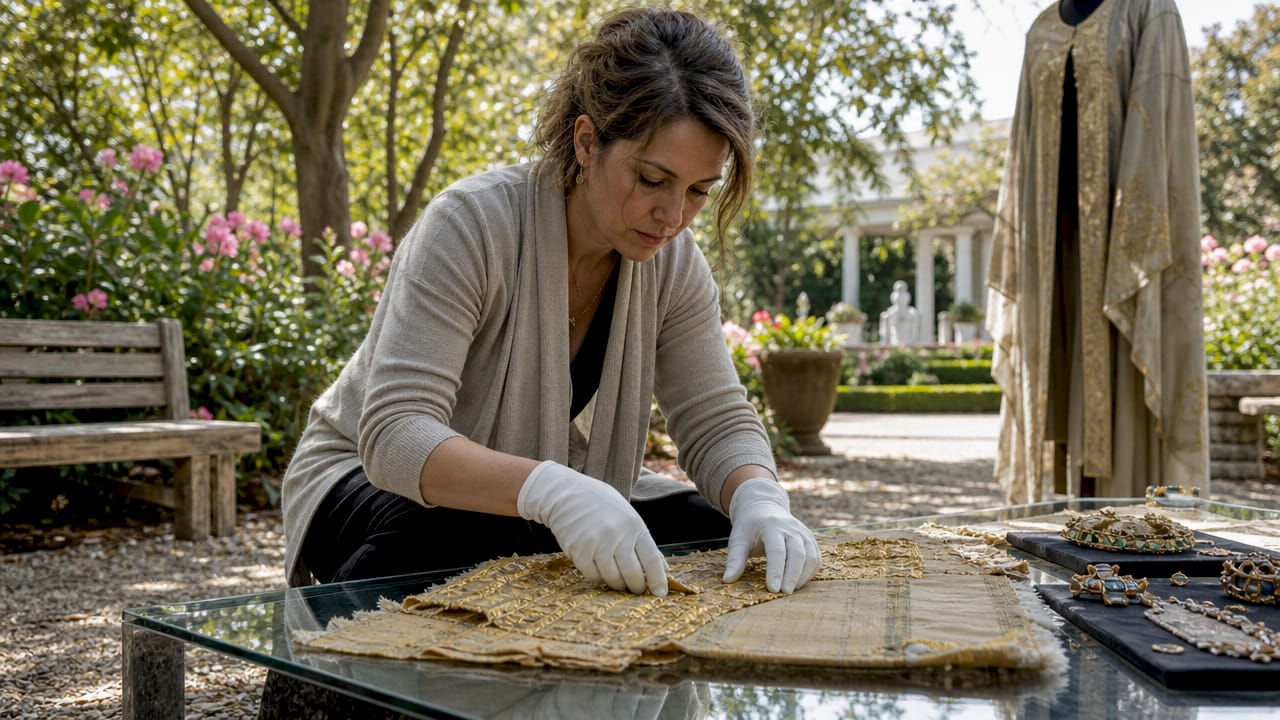
Luxury fashion begins not in Paris, but in the ancient world, where clothing and adornment were the most visible language of power. Egyptian royalty wore linen of extraordinary fineness, dyed with rare pigments and adorned with gold and lapis lazuli. Roman society codified luxury through the concept of luxuria, a word that carried both admiration and moral suspicion, reflecting how societies have always held a complicated relationship with beautiful excess.
The Renaissance deepened this relationship profoundly. Italian city-states such as Florence and Venice became centers of textile production, where silk brocades, velvet, and intricate embroidery signaled dynastic wealth. Sumptuary laws, which restricted certain fabrics and colors to specific social classes, confirm that luxury dress was never merely decorative. It was political. The Baroque era that followed amplified this further, with French court fashion under Louis XIV becoming a deliberate instrument of state power, centralizing textile industries and establishing Paris as the arbiter of European taste.
Ancient Egypt: Fine linen, gold jewelry, and symbolic headdresses defined royal identity.
Roman Empire: Purple dye from Murex sea snails was so costly it was reserved for emperors.
Renaissance Italy: Silk weaving guilds in Florence set technical standards that still influence Italian craftsmanship today.
French Baroque: Louis XIV’s court at Versailles turned fashion into a form of diplomatic theater.
Pro Tip: When studying early luxury fashion, pay attention to the materials rather than the silhouettes. The rarity of a fiber or dye tells you more about a garment’s cultural value than its cut ever could.
How did haute couture create the modern luxury fashion industry?
The birth of haute couture in Paris represents the single most consequential turning point in the luxury fashion timeline. Charles Frederick Worth founded the first fashion house in 1858, transforming the role of the dressmaker into that of the creative director. Before Worth, clothing was made to a client’s specification by anonymous tailors. After Worth, the designer’s name and vision became the product itself.
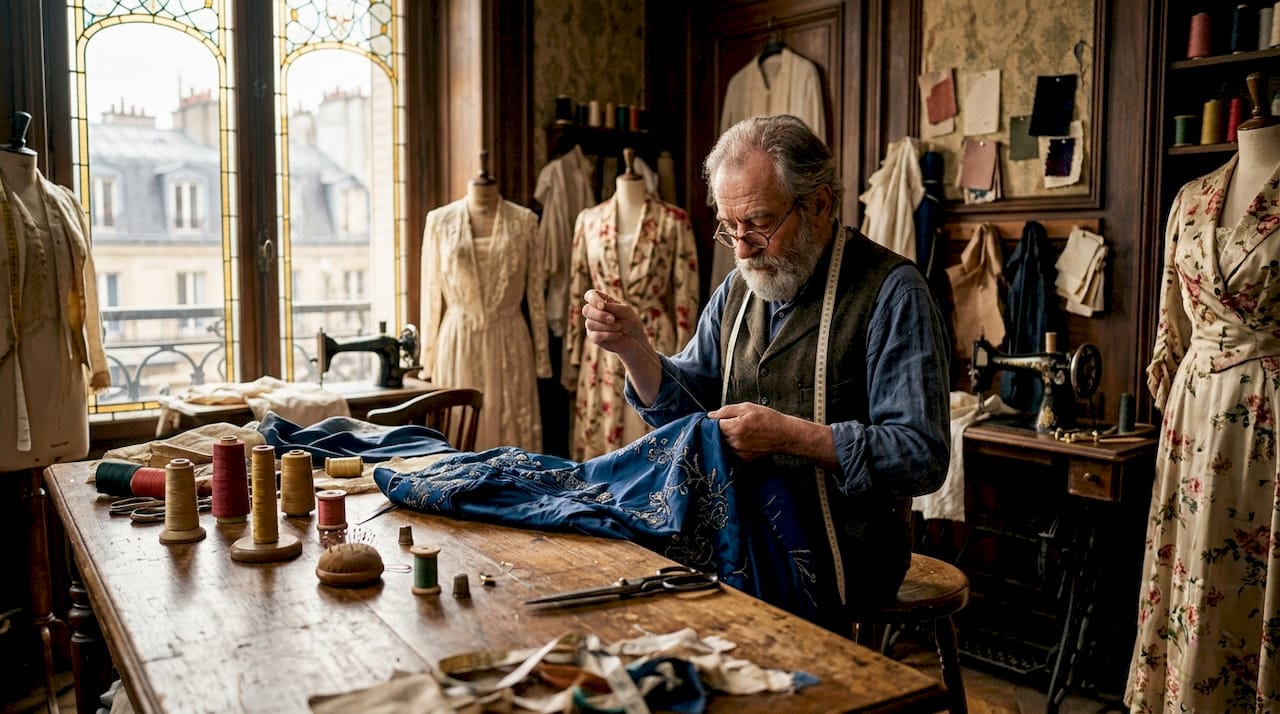
Worth’s innovation was not merely aesthetic. He established the practice of presenting seasonal collections on live models, creating the prototype for the fashion show. He also dressed Empress Eugénie of France, demonstrating that a designer’s association with royalty or celebrity could define a brand’s prestige for generations. The Parisian fashion legacy he built attracted other houses, and by the early 20th century, Paris had consolidated its identity as the world capital of luxury dress.
The standards Worth set for haute couture remain codified to this day:
Bespoke construction: Each garment is made to the individual client’s measurements.
Handwork: A minimum number of hours of hand-sewing is required per piece.
Seasonal presentation: Collections are shown twice yearly to invited press and buyers.
Atelier production: Work is completed in a Parisian workshop employing skilled artisans.
Pro Tip: The Chambre Syndicale de la Haute Couture, founded in Paris in 1868, still governs which houses may legally use the term “haute couture.” Knowing this distinction separates serious fashion students from casual admirers.
How did the 20th century reshape luxury fashion trends?
The 20th-century evolution of luxury fashion was driven by forces no designer could fully control: war, economic upheaval, and the rise of mass culture. World War I stripped away the elaborate ornamentation of Edwardian dress, demanding practicality from women entering the workforce. World War II imposed fabric rationing across Europe and America, forcing designers to achieve elegance within severe material constraints. Necessity, it turned out, was a powerful creative discipline.
The postwar decades brought an economic boom that reshaped who could aspire to luxury. The 1950s saw Christian Dior’s “New Look” restore opulence and femininity to fashion after years of austerity, while the 1960s introduced youth culture as a disruptive force. Ready-to-wear collections, known in France as prêt-à-porter, made designer aesthetics accessible to a broader audience without abandoning the prestige of the originating house. This democratization was not a dilution of luxury. It was its expansion.
Decade | Key Shift | Cultural Driver |
1920s | Shorter hemlines, relaxed silhouettes | Women’s suffrage and social liberation |
1940s | Utility dressing, minimal embellishment | Wartime rationing in Europe and America |
1960s | Youth-led design, mod aesthetics | Pop culture and the rise of youth spending power |
1980s | Power dressing, logomania | Corporate culture and conspicuous consumption |
1990s | Minimalism and deconstruction | Reaction against 1980s excess |
The globalization of luxury accelerated through the 1980s and 1990s as European houses expanded into Asian markets.
Logomania, the practice of covering garments in visible brand insignia, peaked in the late 1990s as a symbol of aspiration.
The impact of luxury fashion on personal identity became a subject of serious academic study during this period.
Licensing deals allowed luxury names to appear on products far removed from their original craft, creating tension between accessibility and exclusivity.
What defines luxury fashion in 2026?
The global luxury industry’s growth is slowing to 1–3% annually between 2024 and 2027, a sharp deceleration from the high-growth phase of 2019–2023. That slowdown signals a market maturing rather than declining, one where brands must compete on depth of meaning rather than volume of sales.
Sustainability has moved from aspiration to obligation. The fashion industry contributes roughly 2% of global carbon emissions, and only 11% of the market currently aligns with 2030 sustainability targets. Luxury brands face regulatory pressure in Europe to reduce overproduction, and AI-assisted demand forecasting is emerging as a practical tool for reducing inventory waste. Made-to-order and made-to-measure production models, which echo haute couture’s original ethos, are being piloted as genuinely sustainable alternatives to seasonal overproduction.
Aesthetically, the 2026 luxury fashion season favors precise tailoring, sculptural silhouettes, and minimal visible logos. Luxury now communicates through form and material rather than insignia. This is a direct reversal of the logomania that defined the 1990s and early 2000s, and it reflects a consumer who is more educated, more discerning, and less impressed by surface signals.
Distressed luxury: Weathered and aged luxury items are gaining cultural currency as markers of authenticity and individuality, redefining perfection itself.
Experience over product: Luxury consumers increasingly prioritize travel and wellness experiences over personal goods, compelling brands to offer more than objects.
Circular models: Secondhand luxury requires brand-owned resale channels to preserve customer relationships and achieve profitable sustainability.
Craftsmanship as signal: Strong colors, structured forms, and artisanal accessories mark the season’s most coveted fashion selections.
You can trace a direct line from Worth’s insistence on handwork in 1858 to this season’s preference for visible artisanship over branding. The fashion exclusivity that once resided in a logo now lives in a perfectly set seam.
Key Takeaways
The history of luxury fashion proves that enduring prestige is built on craftsmanship, cultural relevance, and the courage to redefine exclusivity for each new era.
Point | Details |
Ancient origins of luxury | Luxury dress began as political language, using rare materials to signal power across civilizations. |
Worth’s 1858 revolution | Charles Frederick Worth created the designer-led fashion house, establishing haute couture’s standards of exclusivity. |
20th-century democratization | Wars, economic booms, and youth culture expanded luxury’s reach without erasing its prestige. |
Sustainability as urgency | Only 11% of the fashion market aligns with 2030 sustainability targets, making circular models a business necessity. |
2026 aesthetic shift | Luxury now signals value through tailoring and material quality, not visible logos or brand insignia. |
Why heritage and craft will always define what luxury means
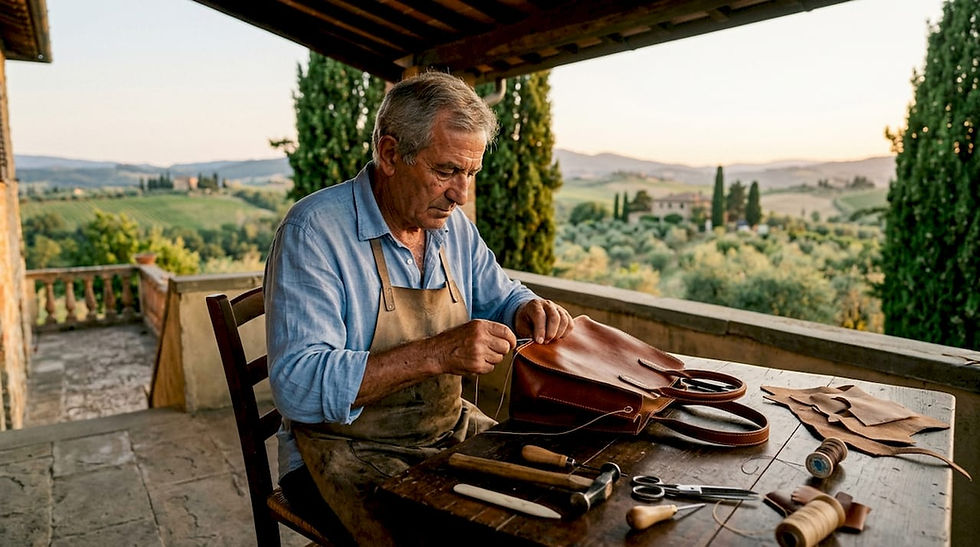
I have spent years studying how luxury fashion moves through time, and the pattern I keep returning to is this: every era that tried to define luxury purely through price or logo eventually gave way to one that returned to craft. The 1980s excess collapsed into 1990s minimalism. The logomania of the early 2000s is now giving way to the quiet authority of a perfectly cut coat. History does not repeat in fashion, but it does rhyme with extraordinary consistency.
What strikes me most about the current moment is how the sustainable luxury approach is not a departure from luxury’s history. It is a return to it. The original haute couture model was inherently slow: one client, one atelier, months of handwork. The mass-market pressures of the 20th century pulled luxury away from that ethos. The best brands in 2026 are finding their way back.
The distressed luxury trend fascinates me for a different reason. Collectors now prize a bag with a patina, a shoe with a story, a garment that shows its years. That is not a rejection of quality. It is the deepest possible expression of it. An object that ages beautifully was made to last. That is the oldest definition of luxury there is.
The future of this industry belongs to houses that understand their own history well enough to honor it without being imprisoned by it. Authenticity is not nostalgia. It is knowing what you stand for and having the craft to prove it.
Luxe & Vivien Lauren.
Vivienlauren: where luxury history meets living elegance
The centuries-long story of luxury fashion finds its most personal expression in the garments you choose to wear. Vivienlauren brings that history to life through handcrafted women’s collections made in Italy, where artisanal techniques passed down through generations meet contemporary elegance.
Each piece in the Vivienlauren range reflects the values that have defined true luxury since Worth’s first atelier: precise construction, exquisite materials, and a silhouette designed to endure beyond any single season. From occasion dresses to curated fashion accessories, every item is chosen for women who understand that real luxury is never accidental. Free UK shipping applies on qualifying orders with international shipping available on orders above £300.
FAQ
What is the history of luxury fashion in brief?
The history of luxury fashion spans from ancient Egyptian and Roman adornment through the birth of Parisian haute couture in 1858 to today’s global industry. Charles Frederick Worth’s founding of the first fashion house established the designer-led model that all modern luxury brands follow.
When did luxury fashion become a global industry?
Luxury fashion became a global industry through the 20th century, accelerated by postwar economic growth, the rise of ready-to-wear collections, and the expansion of European houses into Asian markets during the 1980s and 1990s.
What are the biggest luxury fashion trends in 2026?
The dominant trends in 2026 favor sculptural tailoring, minimal logos, and distressed or aged pieces valued for their authenticity. Luxury consumers are also shifting spending toward experiences such as travel and wellness over personal goods.
How does sustainability affect the luxury fashion industry today?
The fashion industry contributes roughly 2% of global carbon emissions, and only 11% of the market aligns with 2030 sustainability targets. Luxury brands are responding with made-to-order production models and AI-assisted inventory management to reduce waste.
What makes haute couture different from luxury ready-to-wear?
Haute couture is bespoke, handmade to individual measurements in a Parisian atelier, and governed by the Chambre Syndicale de la Haute Couture. Luxury ready-to-wear uses designer aesthetics and premium materials but is produced in larger quantities for a broader market.
Recommended
This fashion guide has been written and brought to you by Chloe. For Vivien Lauren. Vivien Lauren. Luxury. Craftsmanship. That's Proudly Italian. Vivien Lauren. Proud To Style.