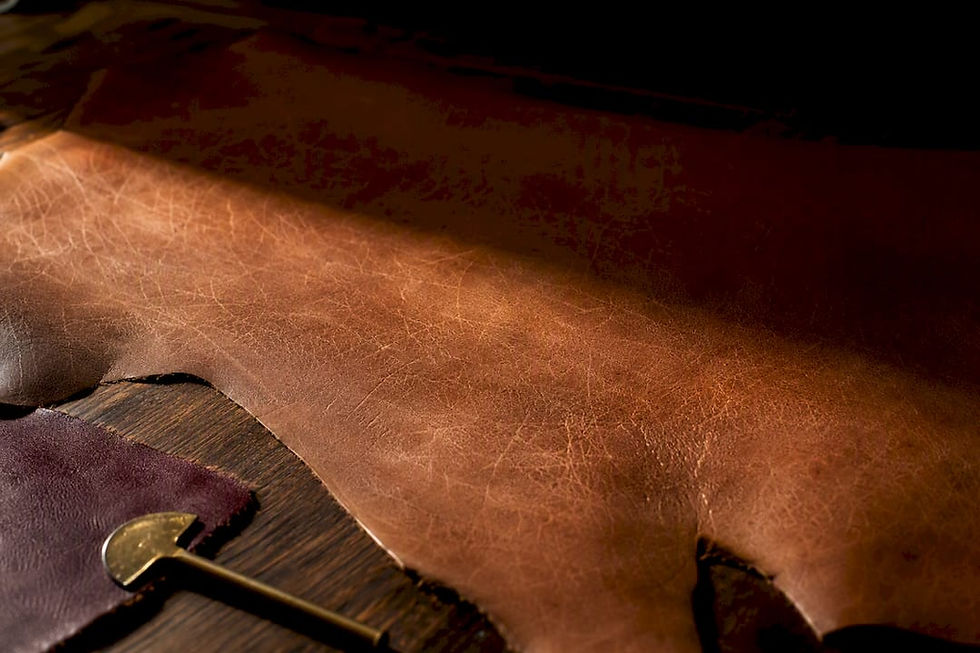
What Is Made in Italy? The Luxury Fashion Guide
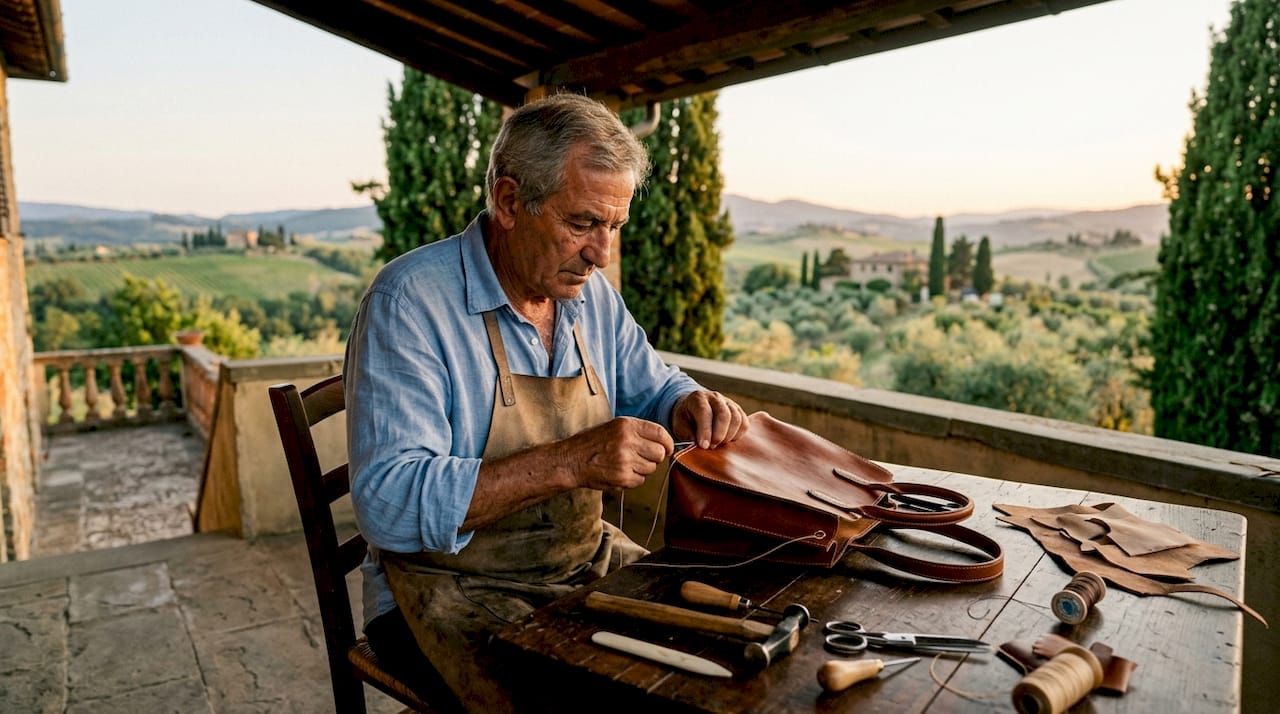
Vivien Lauren. Luxury Leather Collections. Made in Italy.
“Made in Italy” is a legal designation that requires products to be entirely designed, manufactured, and packaged within Italy. It signifies craftsmanship, regional expertise, and cultural heritage, especially in luxury fashion items. Verification involves active proof of production steps, location, and artisan involvement beyond merely trusting the label.
“Made in Italy” is a legally protected designation indicating that a product’s design, manufacture, and packaging all occur entirely within Italy, representing a standard of craftsmanship, cultural identity, and refined beauty that no other label quite replicates. For women who care deeply about what they wear and why, understanding this designation transforms shopping from a transaction into an act of cultural appreciation. The label appears across fashion, leather goods, silk, footwear, furniture, and food, but nowhere does it carry more weight than in luxury fashion. This guide explains the legal framework, the artisanal soul, and the practical wisdom behind the world’s most admired origin mark.
What is made in Italy, and what does the law actually say?
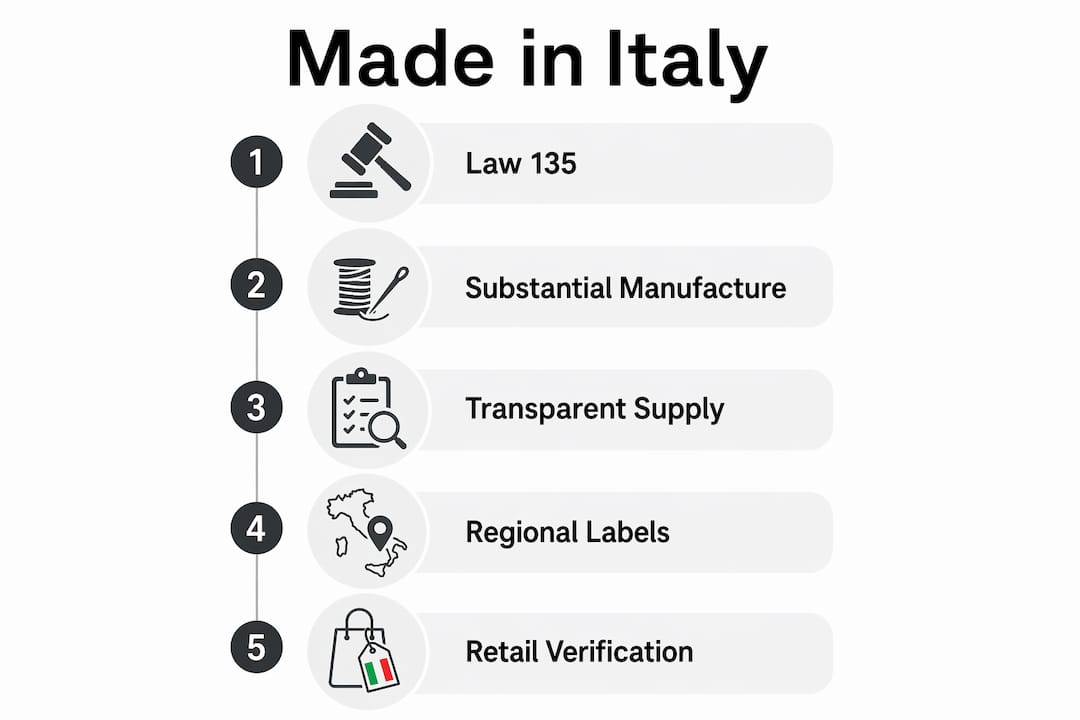
“Made in Italy” is defined by Italian Law 135, formally known as Decree-Law 135, which requires that a product’s conception, manufacture, and packaging all take place within Italy to qualify for the full legal designation. This is not a marketing phrase. It is a legal standard with real penalties for misuse.
Two distinct labels exist, and the difference matters enormously.
“Made in Italy” applies when the last substantial manufacturing stage occurs in Italy, even if some raw materials originate abroad. EU customs origin rules permit this interpretation, meaning a silk dress woven and finished in Como qualifies even if the raw silk arrived from Asia.
“100% Made in Italy” is the stricter designation. Every stage, from raw material sourcing through design, cutting, sewing, and final packaging, must happen on Italian soil. This label signals the highest level of origin purity.
“Product of Italy” applies primarily to food and agricultural goods, where the ingredients themselves must originate in Italy. Fashion buyers should not confuse this with the apparel label.
Violations of Law 135 carry legal penalties, including fines and product seizure. The Italian government treats misuse as fraud, not a technicality. This legal seriousness is precisely what gives the label its credibility.
The EU layer adds complexity. Under EU country-of-origin rules, the “last substantial transformation” standard governs which country earns the origin claim. A garment assembled in Italy from French fabric and Portuguese thread can legally carry the Italian label if the final, value-adding manufacturing stage happens in Italy. This is not deception. It is the legal reality of global supply chains.
Pro Tip: When you see “Made in Italy” on a garment, ask the retailer whether it qualifies under the full Law 135 standard or the EU last-transformation rule. A confident, detailed answer signals a trustworthy brand.
How does Italian craftsmanship shape luxury fashion’s identity?
Italian craftsmanship in fashion is defined by a regional workshop system that has no real equivalent anywhere else in the world. Family-run, specialized workshops concentrated in specific regions produce goods with a depth of skill that mass production cannot replicate. Florence is synonymous with leather. Marche produces some of Europe’s finest footwear. Como weaves silk that dresses royalty and film stars alike.
This regional specialization is not accidental. It reflects centuries of accumulated knowledge passed from parent to child, from master artisan to apprentice. A leather workshop in Florence does not simply cut and stitch. It selects hides with the practiced eye of someone who has handled thousands of skins, who knows how a particular hide will age and soften over years of wear.
“The Made in Italy label carries the identity, culture, and history of its region. It is a carrier of intangible heritage, not merely a geographic claim. As Giancarlo Moretti Polegato, President of Villa Sandi, has observed, the label is evolving from a simple origin mark into a broader symbol of specialized expertise and human craftsmanship.”
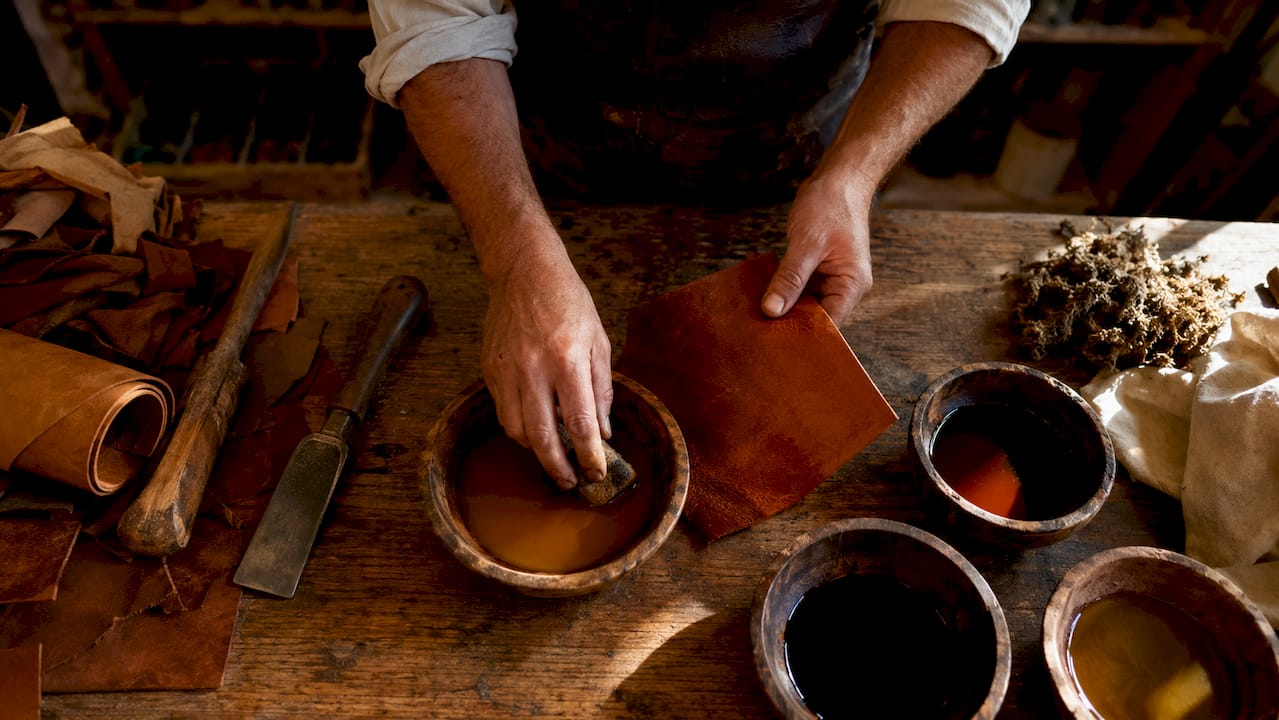
One of the most telling examples of this depth is vegetable tanning for leather, a traditional Italian method that takes weeks rather than the hours required by industrial chrome tanning. The result is leather that develops character over time, deepening in color and softening with use. It is, in the most literal sense, a living material. Chrome-tanned leather, by contrast, is uniform and predictable. It does not age. It simply wears out.
The role of Made in Italy in fashion extends beyond technique into cultural preservation. When you purchase a garment from a Florentine atelier or a pair of shoes from a Marche workshop, you participate in keeping those skills alive. The Italian luxury industry employs about 600,000 people, a workforce whose livelihoods depend on the continued global appetite for authentic Italian goods. That number reflects an entire ecosystem of designers, cutters, stitchers, finishers, and tanners whose combined expertise produces what the world recognizes as Italian luxury.
Pro Tip: Look for garments that name their region of production, not just the country. “Handcrafted in Florence” or “Woven in Como” signals a maker proud enough of their specific origin to say so.
The strength of Italian manufacturing lies in its deliberate resistance to commoditization. The workshop system is, by industrial standards, inefficient. A single artisan may spend days on one handbag. That inefficiency is the point. It produces goods with a specificity and soul that no factory algorithm can generate.
How do you verify authentic Italian products?
Verification of genuine Italian craftsmanship requires moving beyond the label itself and into the supply chain behind it. Documenting each production step and requesting proof from suppliers is the standard recommended approach for serious buyers. Passive trust in a label is no longer sufficient, particularly as recent investigations have revealed misuse of the designation linked to exploitative labor practices in some supply chains.
Here is a practical verification process you can apply before any significant purchase:
Ask for production documentation. Request the name and location of the manufacturing facility. A legitimate Italian maker will provide this without hesitation.
Request step-by-step origin details. Find out where the fabric was woven, where the cutting happened, and where the final assembly took place. Each answer narrows the gap between claim and reality.
Look for production photographs. Authentic workshops often share images of their facilities and artisans. These images are difficult to fabricate convincingly.
Check for regional specificity. Vague claims like “crafted with Italian inspiration” are not the same as “manufactured in Florence.” Precision in language signals precision in production.
Research the brand’s supply chain transparency. Brands committed to authentic luxury manufacturing publish their sourcing practices openly. Opacity is a warning sign.
The table below clarifies the key distinctions between the labels you will encounter:
Label | What it means | Scope |
100% Made in Italy | All stages in Italy, including raw materials | Strictest standard |
Made in Italy | Final substantial manufacturing stage in Italy | EU-compliant, materials may be foreign |
Product of Italy | Ingredients or raw materials originate in Italy | Primarily food and agriculture |
Italian-inspired | No legal meaning | Marketing language only |
Pro Tip: Brands that publish their artisan partners by name and region are practicing the kind of supply chain transparency that separates genuine luxury from imitation.
Which Italian fashion categories best represent the label’s excellence?
Italian fashion excellence concentrates in what industry insiders call the “Four As”: Abbigliamento (clothing), Agroalimentare (food), Arredamento (furniture), and Automobili (automobiles). For luxury women’s fashion, the first category commands the most attention, though the values of precision and beauty run equally through all four.
Within fashion and accessories, the categories that most purely embody the Italian standard include:
Leather goods. Florentine leather workshops produce handbags, belts, and wallets using vegetable tanning methods that create products lasting decades. The craftsmanship behind Italian leather handbags is among the most studied and admired in the luxury world.
Footwear. The Marche region produces shoes that combine structural engineering with aesthetic refinement. Made-to-order handcrafted leather shoes from this region represent the label at its most personal and precise.
Silk and woven textiles. Como’s silk mills have supplied the world’s finest fashion houses for generations. The weight, drape, and luminosity of Como silk is recognizable to any trained eye.
Couture ready-to-wear. Milan’s fashion houses produce garments that balance wearability with artisanal construction, a combination that defines Italian fashion’s global appeal.
Artisan jewelry and accessories. The slow fashion movement in Italy has produced a generation of makers who treat jewelry and accessories with the same rigor as couture. Guides to slow fashion and artisan jewelry document this growing category in detail.
Fashion category | Key Italian region | Defining quality |
Leather handbags | Florence (Tuscany) | Vegetable-tanned, ages with character |
Footwear | Marche | Structural precision, handcrafted finish |
Silk textiles | Como (Lombardy) | Luminous drape, generational weaving skill |
Couture ready-to-wear | Milan | Wearable artistry, refined construction |
Artisan jewelry | Multiple regions | Slow-made, design-led, sustainably sourced |
These categories share a common thread: they resist speed. Each one demands time, skill, and the kind of attention that cannot be automated. That resistance to speed is, paradoxically, what makes Italian fashion so enduring.
Key Takeaways
Made in Italy is a legally defined, culturally rich standard that requires full design, manufacture, and packaging within Italy at its strictest level, and it remains the most credible quality signal in global luxury fashion.
Point | Details |
Legal definition matters | Law 135 distinguishes “Made in Italy” from “100% Made in Italy” with strict origin requirements. |
Regional craftsmanship is irreplaceable | Florence, Marche, and Como each specialize in skills built over generations that mass production cannot copy. |
Verification requires active effort | Request production documentation, facility names, and step-by-step origin details before purchasing. |
The label is evolving | It now signals specialized expertise and cultural heritage, not just geographic origin. |
Transparency separates genuine luxury | Brands that name their artisan partners openly practice the standard the label was designed to protect. |
Why I believe the Made in Italy label is more relevant now than ever
There is a temptation, particularly in an era of global supply chains and fast fashion, to treat “Made in Italy” as nostalgia. I disagree with that reading entirely. The label is not a relic. It is a living standard, and its relevance grows precisely because so much of what surrounds it has become disposable.
What strikes me most, having spent years studying and curating Italian-made fashion, is how the label functions as a form of accountability. When a workshop in Florence puts its name and region on a product, it is making a promise that extends beyond the transaction. It is saying: we stand behind this object, and we expect it to outlast the season.
The uncomfortable truth about luxury fashion today is that the label is under real pressure. Investigations into exploitative labor within supply chains that still claim Italian origin have made it clear that passive trust is naive. Consumers who care about genuine craftsmanship must become active participants in verification, not passive recipients of marketing. That shift in consumer behavior is, I believe, the most important development in luxury fashion right now.
The future of Made in Italy lies in made-to-order, sustainably sourced, artisan-produced goods that carry the full weight of the designation. I see this future already taking shape in the workshops of Tuscany and the silk mills of Como, where a new generation of artisans is combining traditional methods with transparent sourcing. That combination is what luxury should mean.
— Vivien
Vivienlauren: Italian craftsmanship curated for the discerning woman
At Vivienlauren, the collections reflect a deep admiration for the values that make Italian fashion so enduring: precision of construction, beauty of material, and the quiet confidence of a garment made to last.
Every piece in the Vivienlauren collection is chosen with the same questions in mind that this article has explored. Where was it made? By whose hands? With what intention? The women’s fashion collection at Vivienlauren brings together elegant dresses, refined accessories, and handcrafted shoes that honor the Italian tradition of slow, considered making. Whether you are drawn to the sculptural beauty of handcrafted court shoes or the timeless appeal of occasion dresses, each piece carries the spirit of craftsmanship that the Made in Italy standard was designed to protect. Free UK shipping applies on orders over £80, with international shipping available on orders above £300.
FAQ
What does “Made in Italy” legally mean?
“Made in Italy” is a legally protected designation under Italian Law 135, requiring that the last substantial manufacturing stage occurs in Italy. The stricter “100% Made in Italy” label requires all stages, including raw materials, to originate in Italy.
Is “Made in Italy” the same as “100% Made in Italy”?
No. “Made in Italy” permits foreign-sourced materials as long as final manufacturing happens in Italy. “100% Made in Italy” requires every production stage, from raw material to packaging, to take place entirely within Italy.
How can I verify that a product is genuinely made in Italy?
Request the name and location of the manufacturing facility, ask for step-by-step production documentation, and look for regional specificity in the brand’s claims. Authentic Italian makers provide this information readily.
Which Italian fashion categories carry the strongest craftsmanship reputation?
Leather goods from Florence, footwear from Marche, and silk textiles from Como represent the highest standards of Italian fashion craftsmanship, each built on generational workshop expertise.
Why does the Made in Italy label matter for luxury fashion buyers?
The label signals a level of artisanal skill, cultural heritage, and production accountability that mass-produced fashion cannot offer. It connects the buyer to a specific place, tradition, and set of hands that made the object.
Recommended
This fashion piece has been written for you by Shona White. On behalf of Vivien Lauren. Vivien Lauren. Luxury. Craftsmanship. That's Proudly Italian. Vivien Lauren. Proud To Style.