
1960 Fashion: Style Icons and Lasting Influence
Updated: Jan 28

Over 90 percent of American households witnessed a dramatic shift in personal style during the 1960s. This era stands out because fashion it not only mirrored sweeping cultural changes but also gave individuals a new sense of freedom and identity. From iconic miniskirts to bolder colors and innovative fabrics, exploring the evolution of 1960s fashion reveals how American and global trends broke free from tradition and redefined what style means even today.
Table of Contents
Key Takeaways
Point | Details |
Transformation of Fashion | The 1960s marked a significant shift from conservative styles to bold, expressive designs, reflecting a cultural revolution and individual freedom. |
Diversity and Innovation | The era introduced diverse silhouettes and innovative fabrics, encouraging unisex fashion and democratizing design through street style influences. |
Cultural Impact | Fashion became a medium of social expression, deeply interwoven with movements like Youthquake, which empowered young designers and challenged traditional norms. |
Timeless Wardrobe Lessons | Emphasizing versatility and personal expression, the 1960s principles guide contemporary wardrobe curation toward adaptable, quality garments that tell individual stories. |
Defining 1960 Fashion and Its Evolution
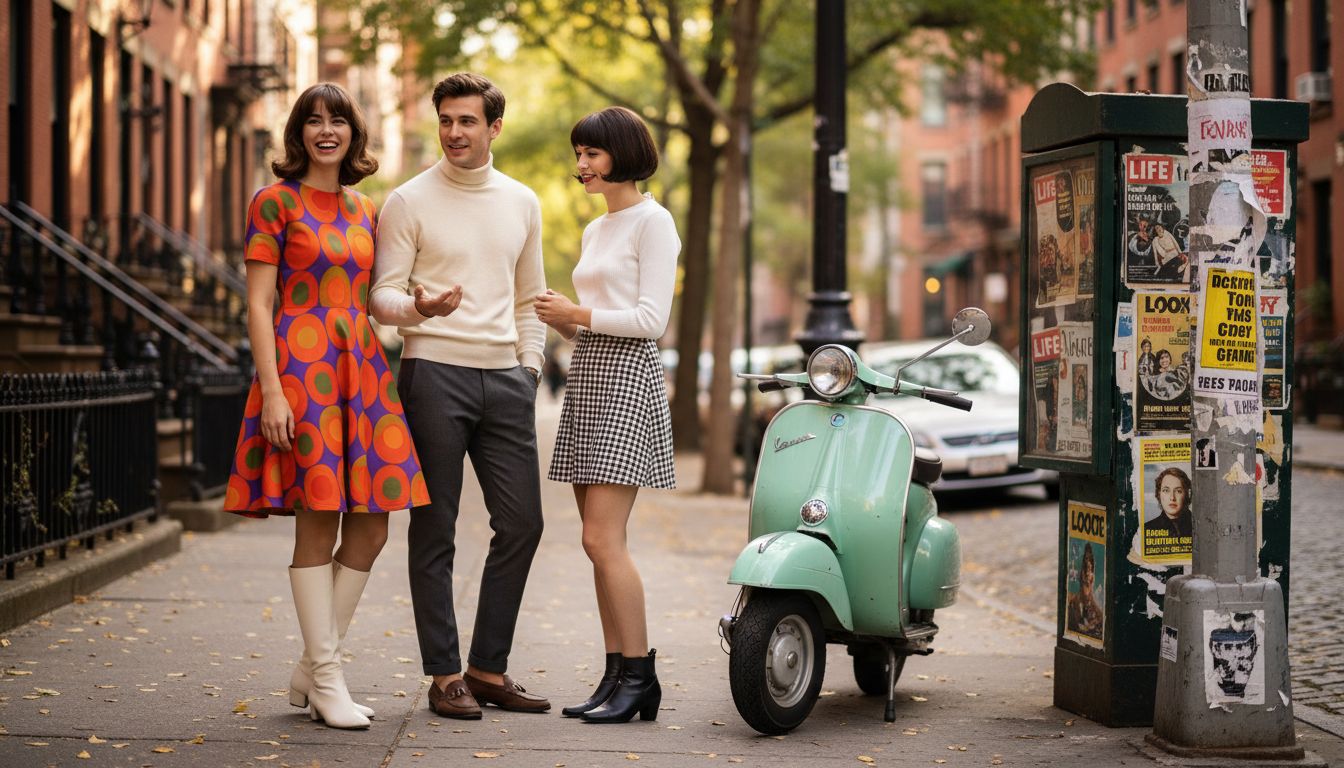
The 1960s marked a revolutionary transformation in fashion, breaking traditional boundaries and introducing radical new aesthetic expressions. This decade represented a seismic cultural shift where clothing became a powerful form of personal and social statement. The fashion landscape dramatically evolved from the conservative, structured styles of the 1950s to an era of bold experimentation, vibrant colors, and unprecedented individual freedom.

Urban youth played a pivotal role in driving fashion innovation during this transformative period. 1960s fashion and its influence on the fashion world today reveals how mid-decade trends dramatically reshaped clothing design across multiple market segments. The miniskirt emerged as a quintessential symbol of this era, challenging previous notions of modesty and representing women’s growing social liberation. Designers like Mary Quant popularized these shorter hemlines, which quickly became a global phenomenon that transcended traditional fashion boundaries.
The decade’s fashion was characterized by unprecedented diversity and global cultural exchange. Traditional haute couture began incorporating elements from street style, creating a more democratic and accessible approach to design. Synthetic fabrics like polyester and new manufacturing techniques allowed for more experimental and affordable clothing options. Iconic styles such as go-go boots, shift dresses, and bold geometric patterns reflected the era’s optimistic, forward-looking spirit. These fashion innovations were not merely aesthetic choices but powerful statements about changing social norms, individual expression, and the breaking down of rigid societal constraints.
Signature Silhouettes and Fabrics of the Era
The 1960s fashion landscape was defined by radical transformations in silhouettes and fabric technologies that challenged every previous design convention. This era witnessed an unprecedented fusion of technological innovation and artistic expression, where clothing became a canvas for social revolution. The Art of Building a Timeless Elegant Wardrobe: Essential Pieces for Enduring Style reveals how these design innovations would continue to influence fashion for decades to come.
The decade introduced groundbreaking fabric innovations that redefined how clothing interacted with the human body. Elastic fabrics like elastane emerged, allowing garments to adapt and move with unprecedented fluidity, creating silhouettes that felt like a second skin. Unisex fashion became prominent, characterized by tunics, dresses, and trousers in vibrant, bold colors that challenged traditional gender boundaries. Designers experimented with unconventional materials, most notably paper garments that embodied the era’s spirit of disposable, fast-changing fashion.
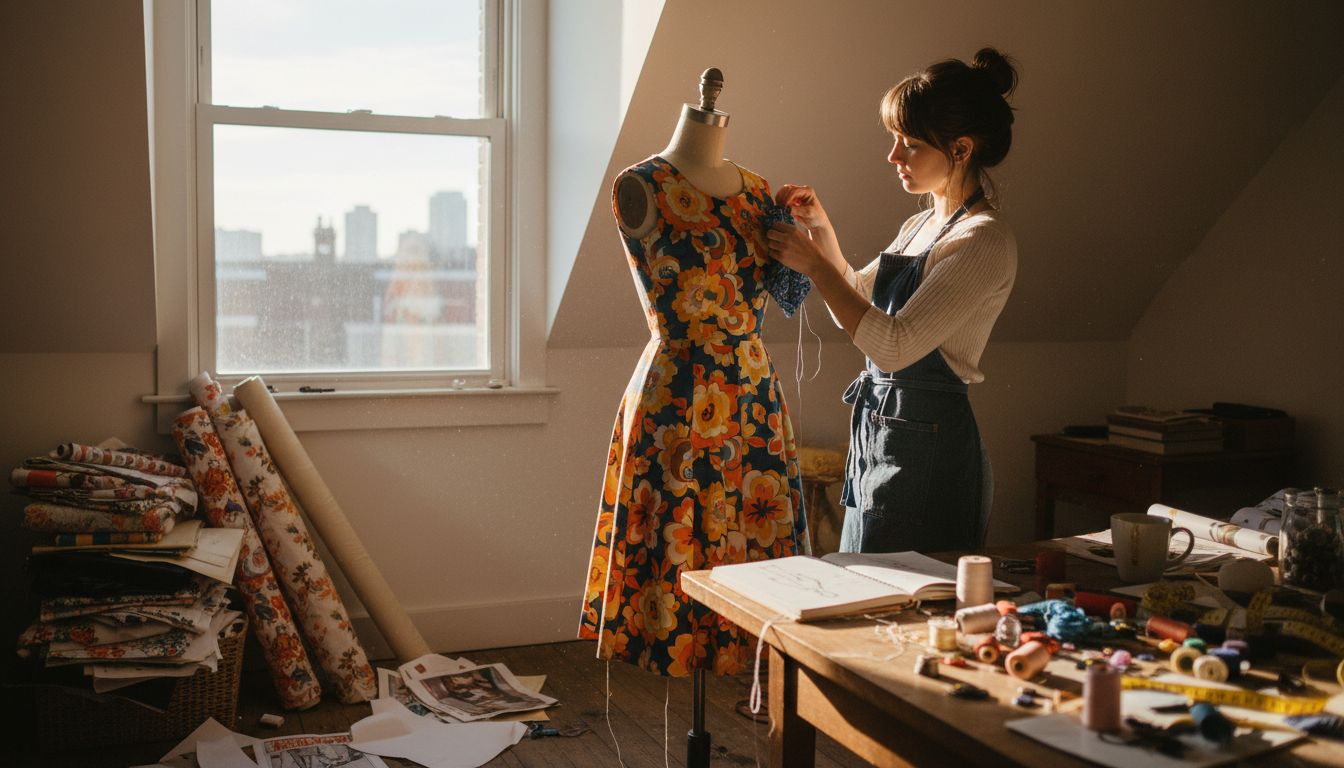
A-line silhouettes dominated the aesthetic landscape, featuring geometric shapes and abstract prints that reflected the decade’s modernist sensibilities. Shift dresses, characterized by their straight, loose-fitting design, became iconic representations of the era’s aesthetic. Geometric patterns, bright colors, and bold graphic prints transformed clothing from mere functional wear into statements of personal identity and social rebellion. These design innovations weren’t just about appearance - they symbolized a broader cultural revolution, representing newfound individual freedom, challenging societal norms, and celebrating the dynamic, progressive spirit of a generation eager to break from traditional constraints.
Influence of Designers, Icons, and Movements
The 1960s represented a transformative period where fashion transcended mere clothing and became a powerful medium of cultural expression and social revolution. Film and Elegant Fashion illustrates how visual media played a crucial role in amplifying and disseminating these groundbreaking design movements across global audiences.
The Youthquake movement, coined by Vogue’s editor-in-chief Diana Vreeland in 1965, dramatically reshaped the fashion landscape by challenging traditional design hierarchies. This cultural phenomenon shifted creative power from established couture houses to young designers and street-level innovators who drew inspiration directly from music, pop culture, and emerging social movements. Designers like Mary Quant in London and Rudi Gernreich in California became pivotal figures, introducing revolutionary concepts such as the miniskirt and unisex clothing that symbolized generational rebellion.
Innovative designers from around the world contributed to this radical reimagining of fashion. Finnish designer Maija Isola, for instance, revolutionized textile design with her bold, dramatic patterns that embodied the decade’s spirit of unbridled creativity. Her iconic ‘Unikko’ poppy print exemplified the era’s embrace of large-scale, flat graphic designs that challenged conventional aesthetic boundaries. These designers were not merely creating clothing, but crafting visual manifestos that reflected the profound social transformations of the 1960s - championing individual expression, challenging gender norms, and celebrating a new era of personal freedom and cultural dynamism.
Global Impact on Women’s Luxury Fashion
The 1960s marked a revolutionary period for women’s luxury fashion, transforming traditional design paradigms and empowering women through unprecedented sartorial freedom. Top Elegant Luxury Fashion Accessories Guide demonstrates how these transformative trends continue to influence contemporary luxury fashion perspectives.
Luxury fashion houses across Europe and the United States began radically reimagining women’s clothing, moving away from restrictive silhouettes toward designs that celebrated personal agency and movement. Brands like Chanel, Dior, and Yves Saint Laurent pioneered revolutionary approaches that challenged existing gender norms, introducing pantsuits, streamlined dresses, and avant-garde accessories that symbolized women’s emerging social and professional independence. These design innovations were not merely aesthetic choices but powerful statements about women’s changing societal roles.
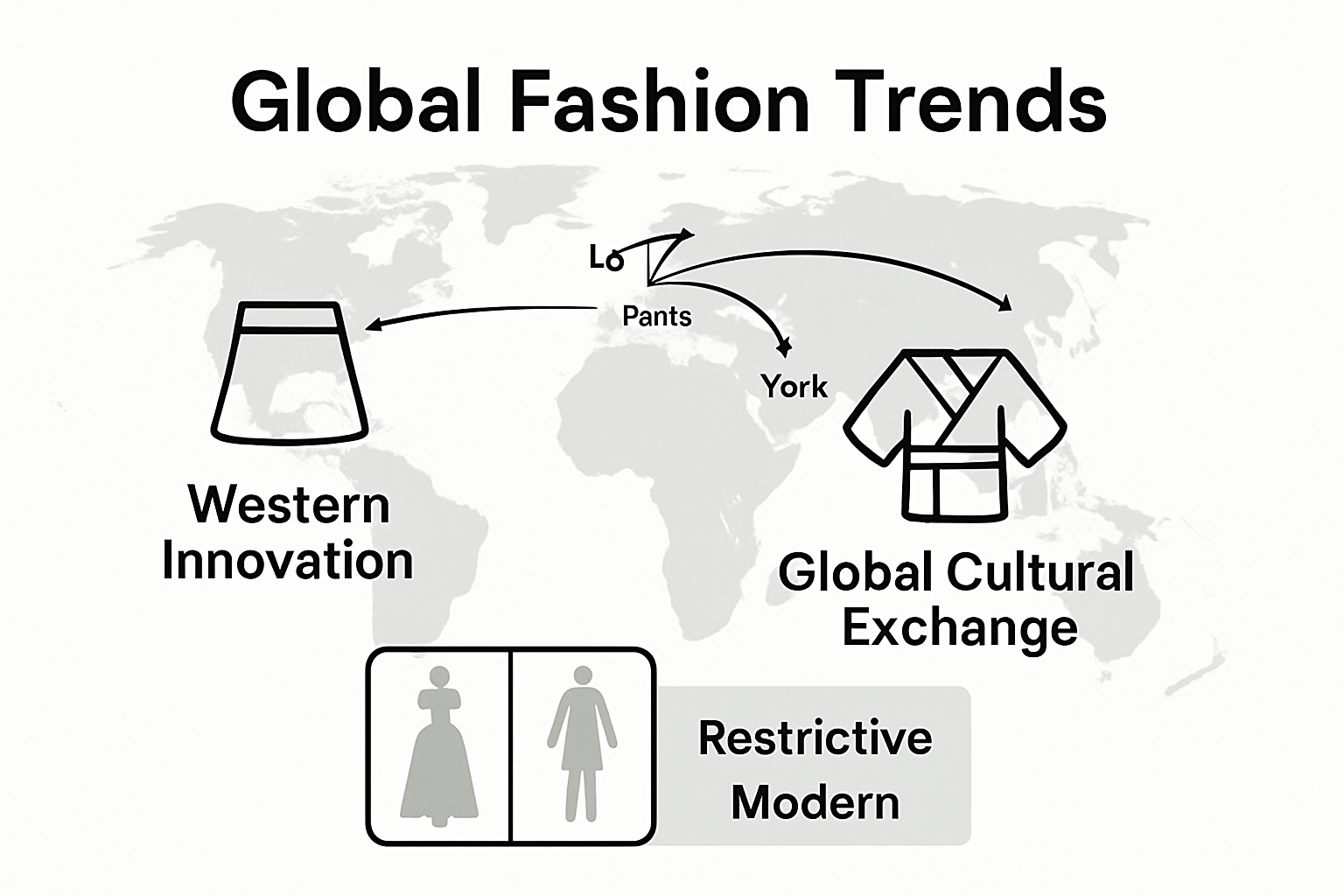
The global impact extended far beyond Western fashion capitals, with designers from Japan, Italy, and emerging design centers contributing unique perspectives that enriched the international fashion dialogue. Textile innovations, bold color palettes, and experimental cuts became universal languages of expression, transcending cultural boundaries and establishing a new global aesthetic that celebrated individual creativity. Women’s luxury fashion during this era became a profound medium of self-expression, breaking down traditional barriers and presenting clothing as a dynamic, empowering form of personal communication that reflected the decade’s progressive spirit of transformation and liberation.
Lessons for Curating Timeless Wardrobes
Curating a timeless wardrobe requires understanding the foundational principles of design, adaptability, and personal expression that emerged during the transformative 1960s fashion era. Caring for Your Elegant Wardrobe: Preserving Timeless Style, Expert Care Guidelines from Paris and Milan offers essential insights into maintaining the enduring quality of iconic pieces.
The 1960s introduced revolutionary concepts of unisex fashion and elastic fabrics that emphasized comfort and versatility, providing crucial lessons for contemporary wardrobe curation. These innovations highlight the importance of selecting pieces that transcend temporary trends, focusing instead on adaptable garments that move seamlessly between different contexts and personal styles. Key principles include investing in high-quality, multi-functional pieces with clean lines, neutral color palettes, and exceptional craftsmanship that can be styled multiple ways.
Beyond technical considerations, curating a timeless wardrobe is fundamentally an exercise in personal storytelling and self-expression. The 1960s demonstrated that clothing is more than fabric and design - it is a powerful medium of individual communication. Thoughtful wardrobe curation involves selecting pieces that reflect personal aesthetic, cultural influences, and individual journey. This means prioritizing items with inherent versatility, exceptional construction, and a sense of personal resonance that will remain meaningful across changing fashion landscapes, ensuring that each piece tells a unique story of style, comfort, and personal evolution.
Embrace the Spirit of 1960s Fashion with Timeless Elegance

The 1960s taught us that fashion is more than just clothing. It is personal expression, a break from tradition, and a bold statement of individuality. If you are seeking to capture the era’s iconic silhouettes and innovative fabrics while embracing modern craftsmanship, explore our collection of elegant women’s apparel and accessories. Our curated pieces honor the principles of comfort, versatility, and sophistication pioneered by style icons of the past and made with Italian craftsmanship passed down through generations.
Discover how you can incorporate iconic 1960s elements like A-line dresses, bold patterns, or elastic fabrics into your wardrobe today. Visit Vivien Lauren to browse exclusive collections that highlight slow fashion and timeless style. Act now and take advantage of 10% off your first orders plus free UK and international shipping on qualifying orders and flexible payment options to start building your unique, enduring wardrobe inspired by the transformative decade of 1960 fashion. Explore more insights and style inspirations at The Art of Building a Timeless Elegant Wardrobe and unlock the power of personal style with Top Elegant Luxury Fashion Accessories Guide.
Frequently Asked Questions
What were the key fashion trends of the 1960s?
The 1960s saw the emergence of bold trends like the miniskirt, shift dresses, go-go boots, and geometric patterns. This era embraced new fabrics, vibrant colors, and youthful street style influences.
How did designers influence 1960s fashion?
Designers like Mary Quant and Rudi Gernreich played pivotal roles in shaping 1960s fashion by introducing revolutionary concepts such as the miniskirt and unisex clothing, reflecting the spirit of generational rebellion and social change.
What impact did the 1960s have on women’s luxury fashion?
The 1960s transformed women’s luxury fashion by shifting away from restrictive silhouettes to designs that celebrated movement and personal agency, with influential brands creating more versatile and empowering clothing options for women.
How can modern fashion be influenced by 1960s styles?
Modern fashion can draw inspiration from the 1960s by incorporating principles of versatility, comfort, and personal expression, focusing on timeless pieces and unique designs that resonate with individual identity and style.

Recommended
This 60s fashion piece has been brought to you by Sammy Li, on behalf of Vivien Lauren.
Vivien Lauren. Luxury. Craftsmanship that's Proudly Italian. Vivien Lauren. Proud to Style.


