
Black Dresses with Lace Sleeves: 2026 Style Guide
Updated: Apr 25

The invitation lands in your inbox at half past six. A client dinner next Thursday. A registry office wedding two weeks later. Then a birthday celebration that says “cocktails” but means photographs, old friends, and a room where everyone notices what you chose.
You don’t want three dresses. You want one dress that feels assured every time you put it on.
Black dresses with lace sleeves, therefore, earn their place. They solve a problem that most wardrobes never quite manage to solve. They offer polish without stiffness, femininity without fuss, and coverage without heaviness. They can look composed in daylight and dramatic by evening.
Many women already know the black dress is useful. Where confusion begins is in the detail. Which lace looks refined rather than busy. Which sleeve shape flatters your arms and shoulders. Why one dress feels effortless and another feels restrictive after twenty minutes. And for UK shoppers especially, how to find a fit that works for real proportions rather than generic imported sizing.
A black dress with lace sleeves can be one of the hardest working pieces in an elegant wardrobe, but only when the cut, fabric, and finishing are chosen with care. If you’ve ever stood in front of a mirror thinking, “The body fits, but the sleeves don’t,” or “It’s lovely, but I’m not sure where I’d wear it,” you’re not alone.
The One Dress That Answers Every Invitation
A woman comes into a boutique with a familiar brief. She wants something for a work reception, but it must also suit a dinner date and an autumn wedding. She doesn’t want sequins. She doesn’t want anything too severe. She wants to feel slimmer through the waist, comfortable through the arms, and elegant from the moment she leaves the house.
The answer is often the same. A black dress with lace sleeves.
Why? Because it does several jobs at once. The black base gives structure and calm. Lace softens the look near the face and arms, which matters more than many women realise. Sleeves add confidence for moments when you want coverage, but sheer or semi sheer lace keeps the silhouette light.
If you enjoy pieces with more shape through the bodice, it can also help to look at how other structured dresses create balance. A thoughtful guide to style corset dresses is useful because it shows how waist definition, neckline proportion, and sleeve detail work together, even if you ultimately choose lace over boning.
Why this dress works so often
Some dresses only suit one setting. A satin slip can feel too bare at the office. A heavily embellished gown can feel overdressed at a family celebration. A plain jersey dress may disappear in a formal room.
A black lace sleeve dress sits in the middle, and that’s its strength.
For daytime polish it reads neat and composed under a well-fitted coat.
For events the lace catches light and adds texture without demanding excessive jewellery.
For evenings it becomes sharper or softer depending on your shoes, bag, and lipstick.
A good black dress shouldn’t ask, “Where can I wear this?” It should answer, “Almost anywhere elegant.”
The smartest wardrobes aren’t crowded. They’re edited. One beautifully chosen dress can remove a surprising amount of decision fatigue.
The Enduring Allure of Lace in Elegant Fashion
You are standing in a fitting room before a winter wedding in Yorkshire, a charity dinner in London, or a registry office ceremony in Edinburgh. The dress is black. The sleeves are lace. Before you even add jewellery, it already feels settled, polished, and appropriate. That response has history behind it.
In Britain, the little black dress came to represent modern elegance because it offered clarity where earlier fashion often asked for excess. As detailed by National Museums Scotland’s history of the little black dress, its shift into the modern wardrobe marked a move away from ornate Edwardian dressing and towards cleaner, freer lines. Lace kept that new simplicity from feeling severe. It brought handwork, texture, and femininity back into the picture in a more refined way.

Why lace changes the meaning of black
Black on its own can read with great precision. Lace introduces softness in the same way sheer curtains soften daylight in a formal room. The structure remains. The mood changes.
That is why lace sleeves are so persuasive on the body. They give coverage without the visual weight of solid fabric from shoulder to wrist, which matters if you are balancing fuller upper arms, a fuller bust, or a shorter waist. On many UK body shapes, especially where standard sizing fits the waist but pulls at the armhole or bust, lace creates visual ease even before a tailor makes the first adjustment.
Three design qualities explain why this combination lasts:
Element | What it adds | What it means for you |
|---|---|---|
Transparency | Lightness around the arms and shoulders | Coverage that still feels graceful |
Pattern | Detail across a dark base | Less pressure to rely on bold accessories |
Heritage | Dressmaking tradition and craftsmanship | A piece that stays relevant for years |
There is a practical point here that many style guides skip. Lace sleeves are often more forgiving to alter than opaque fitted sleeves, particularly if you need a little more room at the bicep, a cleaner shoulder line, or a slightly shorter sleeve length for petite proportions. A good seamstress can often refine the fit while preserving the delicacy of the overall look. That makes this style especially useful for British shoppers who sit between high-street sizes or need adjustments for curves, height, or a fuller bust.
The British appeal of restraint
British occasionwear tends to value restraint, finish, and appropriateness. A black dress with lace sleeves answers that brief beautifully. It has presence in photographs and in person, yet it rarely feels loud. It also layers well under coats, which matters in a real UK wardrobe rather than an idealised one built around warm-weather events.
If you want to sharpen your eye before you buy, browsing a curated selection of black and occasion dresses with lace detailing helps you spot an important difference. Good lace supports the line of the dress. Poor lace sits on top of it like decoration added as an afterthought.
Black gives the dress discipline. Lace gives it character.
That balance is why the style continues to feel composed on women in their thirties, fifties, and seventies alike. It does not depend on trend or age. It depends on proportion, workmanship, and fit.
Decoding the Language of Lace and Sleeves
A black dress with lace sleeves can look soft, sharp, discreet, or overtly formal before you even consider the cut. Much of that message comes from the lace itself.
Many shoppers use the word lace as though it describes one fabric. In practice, lace behaves more like a family of materials. Each type catches light differently, sits on the body differently, and changes how the sleeve reads from a few feet away. Once you can recognise those differences, shopping becomes far easier, especially if you are comparing British occasionwear labels that may describe trims beautifully but not always clearly.

How to recognise the main lace families
Start with your eyes, then your hands. Good lace should look intentional and feel considered, never scratchy, stiff without purpose, or oddly shiny under indoor light.
Chantilly lace is fine and light, with delicate patterning and a softer finish. It tends to suit romantic evening dresses, fluid silhouettes, and anyone who wants sleeve detail that flatters without demanding attention. On the skin, it usually feels airy and refined.
Alençon lace has more structure and a clearer edge to the motif. It often appears more polished and architectural, which makes it excellent for dresses that need definition at the sleeve, neckline, or upper bodice. If Chantilly is watercolour, Alençon is fine ink work.
Guipure lace is denser and more graphic, with motifs that stand out clearly because they are connected without a fine net background. It has presence. That can be beautiful on a simple black dress, though it will draw the eye wherever it sits.
If you are shopping for an event dress online, zoom in on the lace before you fall in love with the overall shape. Fine lace can soften the look of a fitted dress. Heavier lace can make the same silhouette feel more formal, more directional, and sometimes a little less forgiving through fuller areas.
This matters in the UK market, where many women buy for real calendars, not fantasy wardrobes. A winter wedding in Yorkshire, a dinner in London, and a registry office ceremony in Manchester all ask for slightly different things. If you want a younger, shorter silhouette with the same balance of polish and texture, these black lace mini dresses for parties and occasions show how lace changes the mood even when the hemline shifts.
Sleeve shapes and what they do
Sleeves work like punctuation. They finish the sentence of the dress.
A cap sleeve gives a light touch of coverage and can add a little prettiness around the shoulder. It is often best in soft lace rather than anything rigid, because stiffness can make the upper frame look broader.
A three quarter sleeve is one of the most versatile options in black occasionwear. It reveals the narrowest part of the wrist, keeps the arm looking long, and feels appropriate across day and evening settings. For many UK women, it also solves a practical problem. You get coverage without the bunching or pulling that can happen with full-length sleeves under coats or blazers.
A full-length sheer sleeve brings drama, but the effect should still feel clean. The sleeve needs enough ease through the upper arm and enough refinement at the cuff. Otherwise, the dress can look expensive on the hanger and strained on the body.
Bishop and volume sleeves are more expressive. They can balance a straighter skirt or bring softness to a structured dress, but they need restraint elsewhere. Heavy lace, a high neckline, and a voluminous sleeve together can feel overworked.
One simple rule helps. Ornate lace usually looks best on a quieter sleeve shape. Delicate lace can support more sleeve volume because the eye is not processing pattern and shape at the same intensity.
If you are unsure between two dresses, study the pairing rather than the individual details. A soft lace with a clean, narrow sleeve often feels timeless. A corded or graphic lace with a sculpted sleeve feels stronger and more fashion-led. Neither is wrong. The better choice is the one that suits your features, your event, and the way you want to move through the room.
Finding Your Perfect Silhouette and Fit
You step into the fitting room with a dress that looked impeccable online. The lace is refined, the sleeve is elegant, the colour is reliable. Then the shoulder seam sits too low, the waist lands an inch below your own, and the sleeve grips when you lift your arm. That is not a style problem. It is a proportion problem.
For many women in the UK, standard sizing still feels blunt where the body is nuanced. Petite frames often find the waist dropped too low. Curvier figures may get enough room through the hips but not through the upper arm or bust. Taller women can find beautiful lace sleeves turning bracelet-length by accident. The rise in searches for terms such as “petite fit” and “curvy fit” reflects a familiar frustration. A size label rarely tells you where a dress will sit on your body.

Start with your proportions, not the number on the tag
A good fit works like architecture. The seams should meet your frame where your frame naturally changes direction: shoulder, bust, waist, hip, wrist. If those points are misplaced, even expensive fabric can look unsettled.
Use your shape as the starting point.
Body area you want to balance | Silhouette to try | Sleeve detail that helps |
|---|---|---|
Hips more prominent than shoulders | A-line or fit-and-flare | Lace detail that draws the eye upward |
Fuller waist | Soft empire line or a gently structured shift | Clean three quarter sleeve |
Defined waist and balanced proportions | Sheath, pencil, or wrap-inspired shape | Fitted sheer sleeve |
Fuller bust | V-neck or softly open neckline with shape through the waist | Lighter lace with less bulk near the upper arm |
One point often causes confusion. “Flattering” does not mean making the body look smaller. It means giving the eye a clear, harmonious line. Sometimes that comes from definition. Sometimes it comes from release.
Check the areas UK shoppers most often need altered
Ready-to-wear dresses are usually cut to an average height and proportion block. Real bodies are not average. A woman who is a UK 14 in the hips may be a UK 12 at the shoulder. Another may need extra room in the bicep, while the waist fits perfectly.
In a fitting room, test the dress as you plan to live in it, not as you stand in front of the mirror.
Raise your arms forward as if reaching for a shelf or greeting someone.
Sit down and check whether the lace catches at the elbow, bust, or thigh.
Cross your arms lightly to test the back width and shoulder ease.
Look at the waist seam or shaping line and confirm it sits at your actual waist, not above or below it.
Check sleeve length with shoes on because posture changes the line of the body.
That last point matters more than many women expect.
A dress can fit in circumference and still fail in placement.
Alterations that usually earn their keep
The best black dress with lace sleeves often becomes the best after tailoring. Minor alterations can change the whole conversation between dress and body.
Usually worth paying for
Shortening the hem to hit the slimmest or most elegant part of the leg
Taking in the waist for cleaner line and better balance
Refining sleeve width slightly if the lace motif allows careful recutting
Adjusting the cuff or sleeve opening so the wrist looks polished
Lifting straps or shortening the shoulder slightly on styles where the neckline sits too low because the torso is shorter
Approach with caution
Major bust changes on heavily laced or boned bodices
Recutting the armhole after purchase
Reshaping the shoulder line where lace motifs would need to be broken and reapplied
Letting out side seams if there is little seam allowance and the lining is tight
If you shop online, compare your bust, waist, hip, and upper arm measurements with the garment measurements whenever they are available. This is more useful than relying on “true to size.” For shorter hemlines, this edit of black lace mini dresses is a useful visual guide to how sleeve detail and hem length shift the overall proportion.
A simple boutique rule helps here. Fit the largest area first, then refine the rest. If a dress strains across your fullest point, whether that is bust, hip, or upper arm, the fabric will never fall with ease. If it fits the fullest point well, a skilled tailor can often perfect the waist, hem, cuff, or shoulder.
That is how a beautiful dress starts to look as though it was chosen for you, rather than merely sold to you.
The Art of Styling From Boardroom to Ballroom
The beauty of black dresses with lace sleeves is that they respond to styling with remarkable ease. Change the shoe, the bag, and the outer layer, and the same dress can tell a different story.

For the office and professional events
You have a presentation at four, then drinks with colleagues at six. The dress needs to look credible in daylight.
Choose a knee-length or midi silhouette with restrained lace, ideally on the sleeves rather than across the entire body. Add pointed court shoes, a structured leather tote, and a well-fitted coat in wool or crepe. Jewellery should stay minimal. Pearl studs, a slim watch, a simple ring.
The goal isn’t to hide the lace. It’s to make it feel intentional.
A few styling guardrails help:
Keep the shoe clean-lined rather than heavily embellished.
Choose opaque or nearly opaque lining through the body for professional settings.
Let one accessory carry warmth, such as a burgundy bag or deep green scarf, rather than adding multiple statement colours.
For weddings and daytime occasions
Many women hesitate at this point. Is black too stern? Usually not, if the styling introduces softness.
At a wedding or garden venue, your black dress can feel celebratory with the right textures. Nude, pewter, or soft metallic sandals lighten the overall look. A pashmina in blush, dove grey, or champagne adds movement and softness around the shoulders. Choose a smaller bag, perhaps a framed clutch or a compact top-handle style.
Hair and make-up matter here. A softer hairstyle and a fresher lip colour can make black feel welcoming rather than formal.
For daytime celebrations, lighten the mood around the dress. The dress can stay black. The styling shouldn’t feel black all over.
If you enjoy shorter evening-ready silhouettes, this guide on how to style the mini black dress for timeless elegance offers useful ideas on balancing hemline, texture, and accessories.
For cocktails, dinners, and black-tie leaning evenings
At night, lace earns its drama.
This is the moment for a sharper heel, a sleeker clutch, and richer finishing touches. Black suede shoes create continuity. Crystal earrings or vintage-inspired drops can work beautifully if the neckline is clean. If the sleeve is elaborate, keep the neckline bare and skip the necklace.

A simple formula works well:
| Setting | Shoes | Bag | Jewellery | |---|---|---| | Cocktail bar | Slingbacks or ankle-strap heels | Box clutch or Mini Bag | Earrings only | | Formal dinner | Black suede courts | Satin or leather clutch or Mini Bag| Earrings and cuff | | Gala evening | Metallic or black heeled sandals | Structured evening bag or Mini Bag| One focal piece, not several |
The dress should remain the anchor. Accessories support it. They shouldn’t compete with the lace.
How to Choose and Care For Your Investment Piece
A black dress with lace sleeves earns its place in your wardrobe the way a beautifully made coat or a well-cut blazer does. It should fit your life, fit your body, and still look right a few years from now. That matters even more now, as shoppers increasingly want beauty and transparency, with a growing interest in sustainable materials.
The first test is simple. Do not judge the dress only on the model or the occasion shown online. Judge it on construction, adaptability, and how realistically it can be adjusted for your shape if the fit is close but not perfect.
In the UK, that point matters more than many guides admit. A good dress rarely fits every body straight off the rail, especially if you are petite, fuller-busted, long-waisted, pear-shaped, or between standard sizes. The best investment pieces are often the ones with enough structure to be altered well.
What to check before you buy
Use this checklist in the fitting room or while reading a product page carefully.
Look at the lining. It should feel smooth, sit flat, and support the lace. If the lining pulls or twists, the dress will rarely hang well once you wear it for more than a few minutes.
Study the lace placement. Refined dresses place motifs carefully along seams, cuffs, and necklines. If the pattern looks chopped off randomly, the piece can lose polish very quickly.
Check the sleeve join. This area shows quality fast. The armhole should sit cleanly, without puckering where the lace meets the main fabric.
Read the fibre details. Clear information about composition, origin, and care usually signals that the maker has taken the garment seriously.
Assess alteration potential. Side seams, waist seams, and sleeve hems are useful places for a tailor to improve fit. A dress with no seam allowance gives you fewer options.
How to judge whether it will really work for you
A strong investment piece should adapt to your body as well as your diary.
Ask yourself:
Can the waist be lowered or raised if my proportions do not match the standard cut?
Is there enough room through the bust, hips, or upper arm for tailoring without disturbing the lace pattern?
Will it still sit neatly with the undergarments I wear?
Can I wear it with flats, mid-heels, or courts depending on the event?
Does it still feel like me, not just a version of me styled for one evening?
That second question is particularly useful. Lace behaves a little like wallpaper across a wall. Once you cut through the pattern carelessly, the interruption is obvious. If a dress needs major reshaping across heavily patterned lace, the alteration can become costly or visible. If the changes are focused at the lining, side seams, hem, or waist, the result is often much cleaner.
Fit advice for different UK body shapes
If you are fuller in the bust, check whether the lace sleeve pulls the bodice upward or creates drag lines from the side bust to the armhole. A tailor can sometimes release the side seam, but only if there is enough allowance.
If you are pear-shaped, fit the hips first. It is usually easier to refine the waist than to create extra room through the skirt without affecting balance.
If you are petite, pay close attention to sleeve length and waist placement. Many dresses look expensive once those two points are corrected. Before shortening lace sleeves, ask whether the cuff detail can be preserved rather than cut off.
If you are between sizes, choose the size that fits the fullest part of the body and tailor the rest. That is usually the safer route with formalwear, particularly in UK occasion dressing where event calendars often call for a polished fit.
Caring for lace so it stays elegant
Lace lasts best with calm, careful handling.
Use a padded hanger so the shoulders keep their shape.
Store it in a breathable garment bag rather than plastic, which can trap moisture.
Fasten zips and hooks before hanging to reduce snags.
Dress after jewellery if possible, or remove rings and bracelets first. Fine lace catches easily.
Follow the care label closely. If the dress has delicate trims, structure, or embellishment, specialist cleaning is often the safer choice.
For a more detailed routine, this guide to caring for your elegant wardrobe and preserving timeless style offers useful fabric-care advice.
Price alone does not make a dress an investment. Rewearing it with confidence does.
Embodying Timeless Elegance Beyond the Dress
The appeal of black dresses with lace sleeves goes deeper than trend or occasion. They succeed because they unite several things women often search for separately. Poise. versatility. Comfort. Coverage. Grace.
When you understand the heritage of the black dress, the character of different laces, the importance of sleeve proportion, and the practicalities of fit, the choice becomes much easier. You stop shopping for a vague idea of elegance and start recognising the exact details that create it.
That’s where confidence comes from. Not from owning more, but from knowing why a piece works for you.
A well-chosen black dress with lace sleeves can accompany you through professional milestones, family celebrations, evening invitations, and quiet moments when you want to feel composed. It isn’t only a dress for photographs or special dates in the diary. It’s a garment that supports how you want to carry yourself.
Elegance is rarely about excess. More often, it’s about selecting one beautiful thing that knows exactly what it’s doing.
That’s why this piece endures.
Your Questions on Lace and Elegance Answered
Can I wear a black lace sleeve dress to a summer wedding
Yes, if the fabric feels light and the styling softens the look. Choose breathable lace, lighter shoes, and accessories in softer tones. Sheer sleeves can be especially useful because they give coverage without making the dress feel heavy.
What should I wear under sheer lace sleeves or a sheer lace bodice
For sleeves, usually nothing extra is needed if only the arm is sheer. For a bodice or lower neckline, a smooth slip, bodysuit, or carefully chosen underlayer works best. If you’re trying to avoid visible bra lines or want cleaner coverage under darker fabrics, this guide to nipple covers for a black dress gives practical options worth considering.
How do I stop lace from snagging
Dress after jewellery if possible, or at least avoid sharp rings while pulling sleeves on. Store the dress away from embellished garments and rough zips. A breathable garment bag helps.
s a black lace sleeve dress suitable for work
It can be, provided the cut is well-fitted and the body is properly lined. Lace confined mainly to the sleeves usually reads more professional than all-over sheer lace.
Should I size up if lace sleeves feel tight
Usually, yes. If the sleeve is pulling at the bicep or shoulder, going up a size often gives a better base for tailoring. A waist can be adjusted. Restrictive sleeves are much harder to rescue elegantly.
Which sleeve length is most flattering
Three quarter sleeves are often the easiest and most universally elegant. They show the wrist, lengthen the arm visually, and work across many occasions. But your arms and how you feel will tell you. Dont be afraid to explore different designs.
View different combinations placed for you in the gallery below by the Vivien Lauren Stylists:
Black dress with Flattering Sleeves, Luxury Elegance by Vivien Lauren 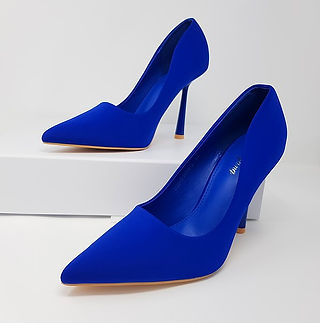
Blue Heels on Vivien Lauren 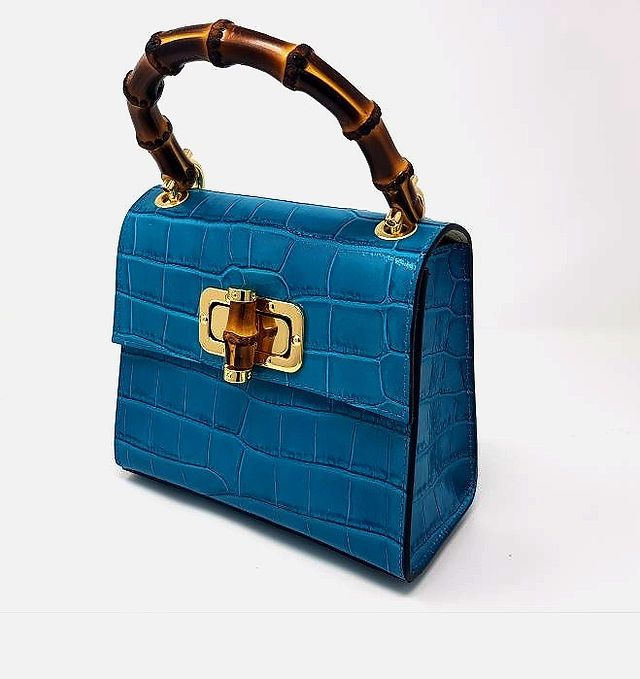
In Aegean Blue - Luxury Italian Leather Handcrafted Mini Bags by Vivien Lauren 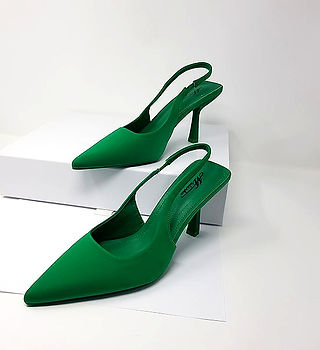
Green Kitten Heels On Vivien Lauren 
Emerald Green Mini Bag Crafted in Italy, in Italian Leather & Bamboo - By Vivien Lauren
Vivien Lauren offers a beautifully curated approach to timeless womenswear, with elegant dresses, classic accessories, Italian leather bags, and artisanal finishing pieces designed for women who value grace, versatility, and refined style. Explore the collection at Vivien Lauren.
This fashion guide has been authored for you by Shona White. On behalf of Vivien Lauren. Vivien Lauren. Luxury. Craftsmanship that's Proudly Italian. Vivien Lauren. Proud to Style.


