
China's Innovations: Shaping Timeless Elegant Fashion
Updated: Jan 28
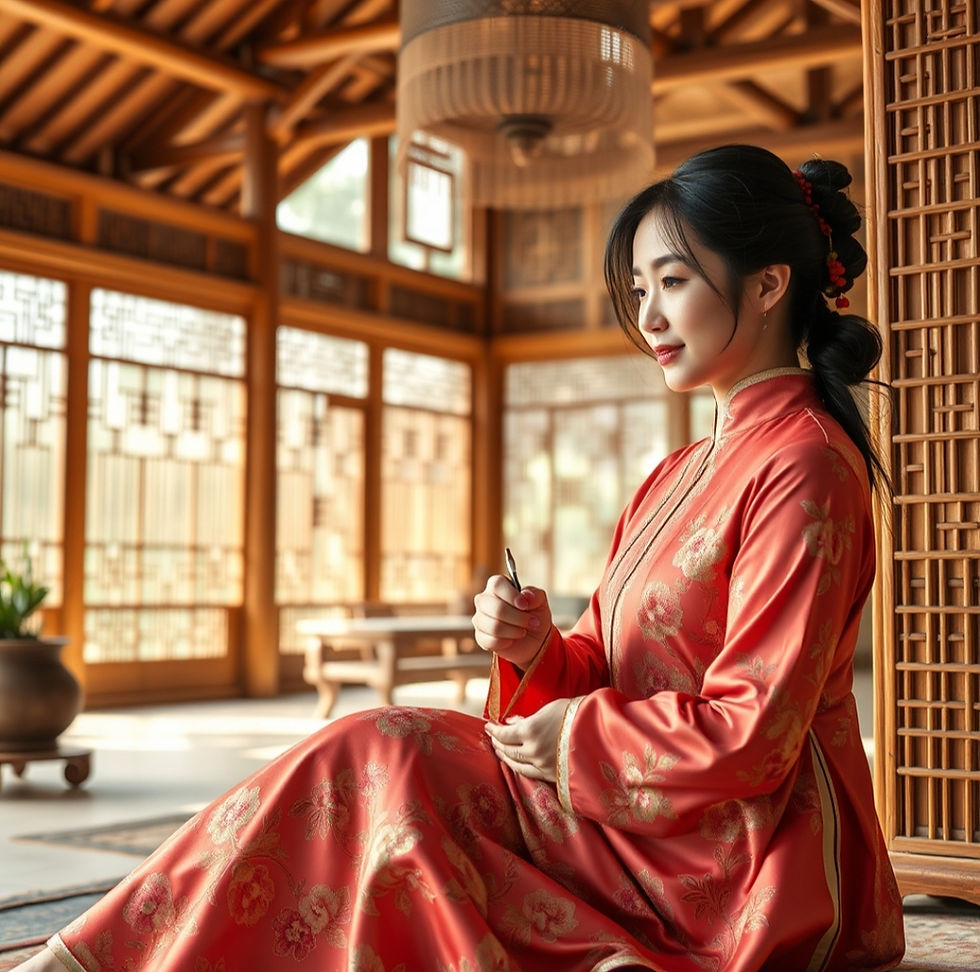
Luxury means more than a logo or label for women who crave exclusive, handcrafted style. The true beauty of timeless elegance is found in garments where artistry and heritage come together, inspired by centuries of innovation from Italy to China. If you are drawn to pieces that balance modern sophistication with rich cultural meaning, you will discover fresh ways to express individuality and grace through every detail.
Table of Contents
Key Takeaways
Point | Details |
Cultural Fusion | Elegant Chinese fashion blends historical craftsmanship with modern design, reflecting cultural identity and aesthetic balance. |
Influence of Silk | Silk is a quintessential material representing luxury and refinement, deeply rooted in China’s textile innovation and trading history. |
Imperial Symbolism | Clothing from the Imperial era expressed social status and cultural narratives, with intricate designs conveying deeper meanings. |
Bamboo’s Versatility | Bamboo has evolved from practical uses to sophisticated artistic expressions, influencing global craft styles and symbolizing strength and elegance. |
Defining Timeless Elegant Chinese Fashion
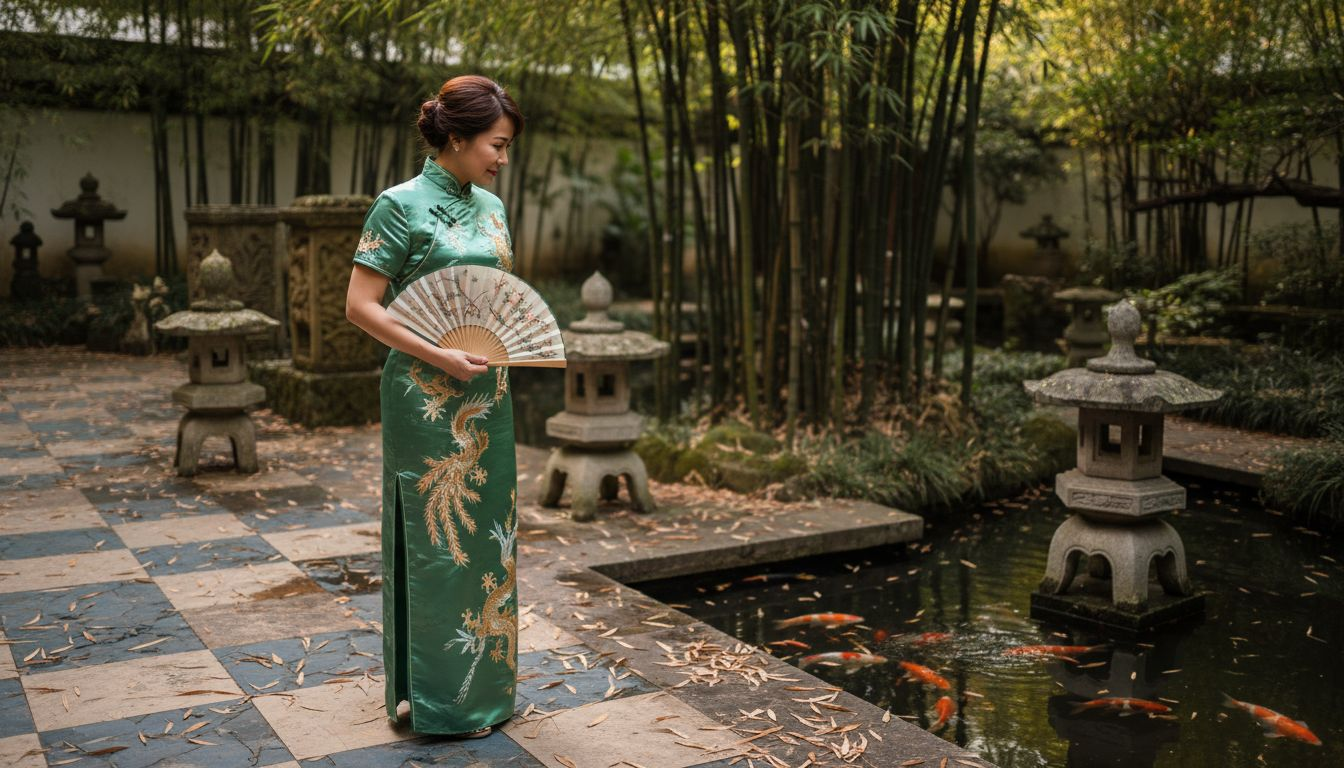
Chinese fashion represents an extraordinary tapestry of cultural innovation, where historical craftsmanship meets contemporary design principles. The essence of elegant Chinese fashion emerges from a profound understanding of aesthetic balance, rooted in centuries of textile development and philosophical principles. Taoist design concepts have significantly influenced this aesthetic, creating garments that transcend mere clothing and become artistic expressions of cultural identity.
Traditional Chinese clothing embodies a remarkable fusion of functionality and beauty, with silk serving as the quintessential fabric that symbolizes refinement. The intricate process of silk production, which began with the discovery of silkworm cultivation during the Neolithic period, transformed textile creation into a sophisticated art form. Merchants along the Silk Road traded these exquisite textiles, spreading Chinese fabric innovations across continents and establishing a global reputation for unparalleled textile quality.
Modern Chinese fashion designers continue to honor this rich legacy by blending international design language with traditional cultural essence. The result is a contemporary aesthetic that respects historical roots while embracing global fashion trends. Techniques like intricate embroidery, delicate fabric manipulation, and thoughtful color selections draw from traditional design principles, creating garments that are both timeless and innovative.
Pro tip: When exploring elegant Chinese fashion, look for pieces that balance structural integrity with fluid movement, reflecting the philosophical harmony central to Chinese design traditions.
Imperial Era Styles and Flowing Gowns
The Imperial era of Chinese fashion represents a breathtaking panorama of sartorial sophistication, where clothing transcended mere functional attire to become a powerful symbol of social status, cultural identity, and artistic expression. Elegant court fashion during the Tang Dynasty emerged as a stunning testament to China’s cosmopolitan sensibilities, with flowing silk gowns that captured the essence of refinement and international cultural exchange.
Imperial women’s fashion, particularly in the royal courts, was a meticulously crafted art form. Chinese empresses wore ceremonial robes featuring extraordinarily wide sleeves and fluid silhouettes that symbolized more than aesthetic beauty. These intricate garments represented cosmic harmony, with elaborate embroidery depicting phoenixes, dragons, and imperial symbols that communicated complex narratives of power, virtue, and spiritual significance.

The evolution of imperial fashion reflected deeper societal transformations. Silk remained the quintessential fabric, with merchants and artisans developing increasingly sophisticated weaving techniques that allowed for more intricate designs and more delicate textures. The flowing gowns of imperial women were not just clothing but living canvases that told stories of cultural heritage, political changes, and artistic innovation. From the structured elegance of the Han Dynasty to the ornate complexity of the Qing Dynasty, each period brought unique stylistic elements that contributed to China’s rich sartorial legacy.
Pro tip: When appreciating historical Chinese fashion, look beyond the visual aesthetics and understand the profound cultural symbolism woven into each intricate design.
Compare the distinct fashion styles from three major Chinese dynasties:
Dynasty | Fashion Characteristics | Typical Materials | Cultural Significance |
Han | Structured, wide sleeves | Silk, hemp | Confucianism, social harmony |
Tang | Flowing, cosmopolitan gowns | Silk, embroidery | Openness, artistic innovation |
Qing | Ornate, elaborate patterns | Silk, metallic thread | Authority, imperial hierarchy |
Silk Discovery and Fabric Creation
Silk represents one of the most extraordinary textile innovations in human history, with its origins deeply rooted in the ancient Chinese civilization. Silk production in Neolithic China emerged as a groundbreaking technological achievement, transforming textile manufacturing through meticulous cultivation of silkworms and sophisticated weaving techniques that would ultimately revolutionize global trade and cultural exchange.
The process of silk creation was nothing short of miraculous. Skilled artisans carefully raised silkworms, harvesting their cocoons and carefully unwinding the delicate threads to create luminous fabric. Sericulture became a sophisticated cultural art that went far beyond simple textile production, representing a complex intersection of agricultural expertise, technological innovation, and artistic craftsmanship. Each stage of silk production required extraordinary precision - from nurturing mulberry trees that fed the silkworms to developing intricate spinning and weaving techniques that produced fabrics of unparalleled beauty and quality.
As silk production advanced through successive dynasties, Chinese merchants developed increasingly complex trading networks. The legendary Silk Road emerged not just as a trade route, but as a powerful conduit of cultural exchange, with silk serving as a precious commodity that connected civilizations across continents. Merchants transported these exquisite textiles across vast distances, introducing Chinese technological brilliance to distant lands and establishing silk as a symbol of luxury, refinement, and sophisticated craftsmanship that would endure for centuries.
Pro tip: When exploring historical textile innovations, remember that technological breakthroughs are often born from patient observation, cultural knowledge, and intergenerational skill transmission.
Machinations, Umbrellas, and Merchant Influence
Chinese innovation extended far beyond textile production, encompassing remarkable technological achievements that transformed everyday life and cultural practices. Chinese umbrellas represented a sophisticated technological marvel, crafted with extraordinary precision using silk, oil paper, and intricate bamboo frames. These umbrellas were not merely functional items but powerful symbols of social status, with elaborate designs that distinguished nobility from commoners.
Merchants played a crucial role in disseminating these innovations across vast trading networks. Trade partnerships shaped economic landscapes, enabling the exchange of luxury goods and technological knowledge. Entrepreneurial families developed complex trading routes that connected distant civilizations, transforming simple commercial transactions into powerful cultural exchanges. Their networks facilitated the spread of Chinese technological innovations, including advanced textile production techniques, umbrella manufacturing, and intricate craftsmanship.

The collapsible umbrella emerged as a quintessential example of Chinese ingenuity, demonstrating the civilization’s capacity for practical and elegant design solutions. Bamboo, a versatile material deeply integrated into Chinese culture, became instrumental in creating lightweight yet durable umbrella frames. These innovations reflected a broader cultural approach that seamlessly blended functionality with aesthetic sophistication, transforming everyday objects into artistic expressions of technological mastery.
Pro tip: When studying historical innovations, always look beyond the object itself and understand the complex cultural and economic ecosystems that made such inventions possible.
Bamboo, Fans, and Global Style Legacy
Bamboo emerged as a quintessential material that epitomized Chinese cultural sophistication, transcending its utilitarian origins to become a profound symbol of artistic and technological innovation. Chinese bamboo hand fans represented complex cultural artifacts that evolved from simple cooling implements to intricate works of art, showcasing the remarkable craftsmanship of Chinese artisans through generations.
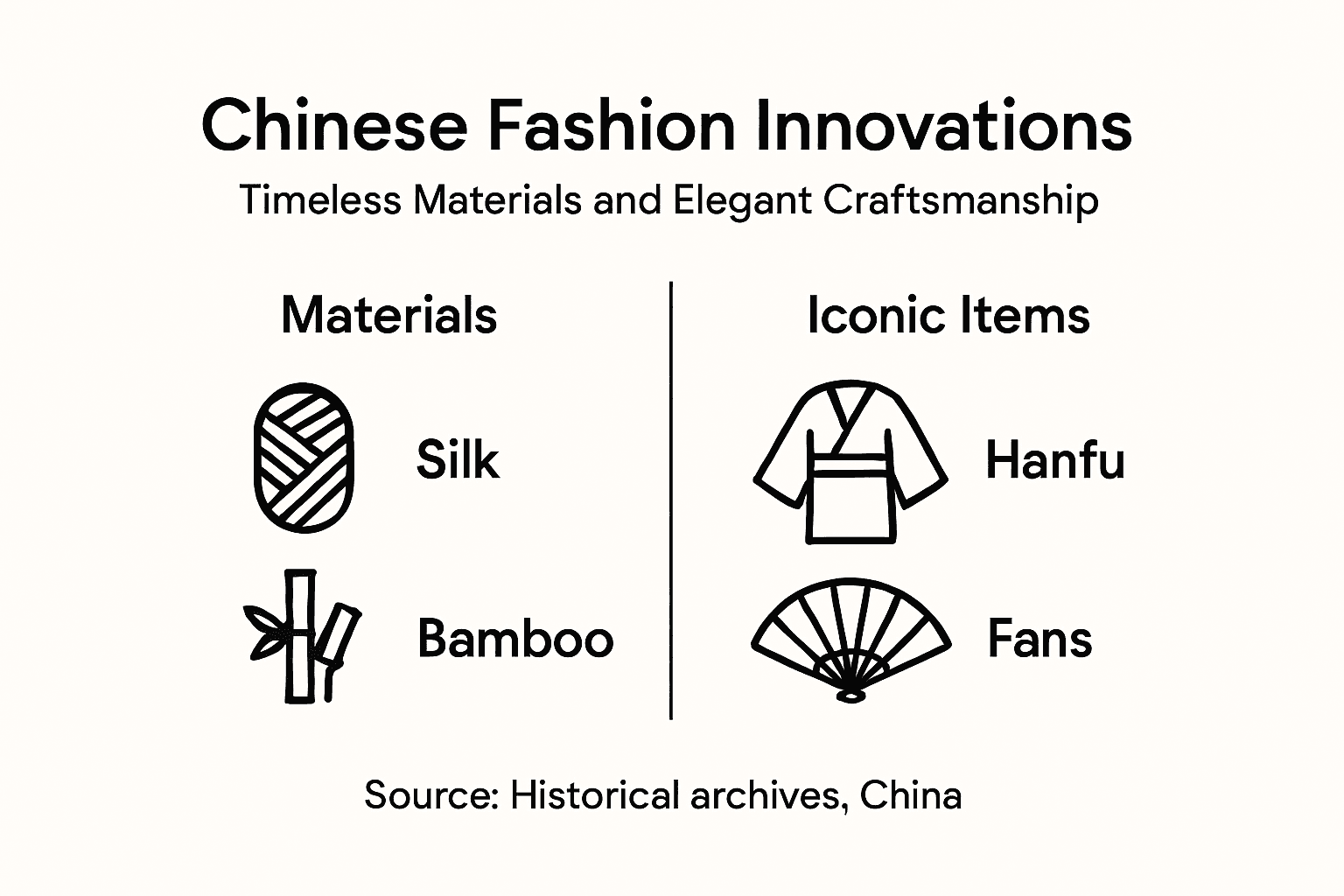
During the Tang and Song dynasties, bamboo fans transformed from practical accessories into sophisticated cultural expressions. Craftsmen meticulously constructed these fans using delicate bamboo ribs, adorning them with exquisite paintings, calligraphy, and silk panels that told stories of historical significance. Traditional fans blended art and utility, becoming powerful symbols of refinement that communicated social status, artistic sensibility, and cultural depth.
The global influence of these bamboo innovations extended far beyond China’s borders. Merchants and travelers carried these fans across trading routes, introducing the world to the elegance of Chinese design. Bamboo’s versatility became apparent not just in fans, but in various design applications - from delicate tea pot handles to contemporary bag accessories, demonstrating how a single material could embody both traditional craftsmanship and modern aesthetic sensibilities. This cultural export transformed bamboo from a local resource into a globally recognized symbol of Chinese artistic excellence.
Here’s a summary of how key Chinese fashion materials shaped their cultural role:
Material | Historical Role | Symbolism | Global Impact |
Silk | Essential textile since Neolithic | Luxury, refinement | Sparked Silk Road trade |
Bamboo | Used in accessories and fans | Strength, elegance | Influenced global craft styles |
Oil Paper | Crafted for umbrellas | Practicality, artistry | Inspired umbrella manufacturing |
Embroidery | Decorative technique on garments | Status, storytelling | Adopted in haute couture |
Pro tip: When appreciating cultural artifacts, look beyond their immediate function and understand the complex narratives of craftsmanship and cultural expression they represent.
Celebrate Timeless Elegance Inspired by Chinese Innovation
Chinese fashion’s journey from ancient silk mastery to sophisticated bamboo craftsmanship shows us the power of tradition meeting innovation. This article highlights the challenge of preserving cultural heritage in modern design while embracing luxury and craftsmanship. Like these historic textiles and silhouettes that balance structure with fluid grace, fashionable women today seek elegant pieces that express identity through quality and meaningful design.
Discover collections at Vivien Lauren that echo this timeless dedication to craftsmanship and sophistication. Each dress, bag, and accessory is made in Italy with heritage techniques passed down through generations — a modern embodiment of artistry and exclusivity. Experience the perfect blend of slow fashion and contemporary style, designed for women who value cultural depth and elegance.

Elevate your wardrobe now with luxury pieces that honor tradition and inspire personal expression. Visit Vivien Lauren to explore our curated luxury apparel and enjoy benefits like free UK & international shipping on qualifying orders. Make a statement with fashion that tells a story of heritage and innovation today.
Frequently Asked Questions
What is the significance of silk in Chinese fashion?
Silk represents luxury and refinement in Chinese fashion, originating from Neolithic times and becoming a symbol of craftsmanship, aesthetic beauty, and cultural identity.
How did the Imperial era influence modern Chinese fashion?
The Imperial era introduced styles characterized by flowing gowns and elaborate designs that reflected social status and cultural narratives. Modern designers blend these historical elements with contemporary trends to create garments that honor these traditions.
What role do bamboo and other materials play in traditional Chinese fashion?
Bamboo is utilized for various accessories, such as fans and umbrella frames, symbolizing strength and elegance. Traditional materials like oil paper and embroidered textiles also contribute to the rich visual language of Chinese fashion.
How do contemporary Chinese designers incorporate traditional design principles?

Contemporary designers combine international fashion trends with traditional Chinese elements, emphasizing aesthetic balance, intricate embroidery, and thoughtful color selection to create both timeless and innovative garments.
Recommended
This Timeless piece on China's ingenuity and innovative advances which helped shape the elegant fashion we know today, is brought to you by Sammy Li.
Vivien Lauren. Luxury. Craftsmanship that's Proudly Italian. Vivien Lauren. Proud to Style.


