
Role of Design in Fashion: Complete Essential Guide
Updated: Jan 28
All images are subject to copyright

Fashion design is more than just choosing colors or fabrics. It shapes how we express ourselves and reflects changes happening in society. Nearly every major shift in culture shows up first in what people wear, making the role of design essential for both identity and innovation. Understanding how design influences fashion helps you see why certain trends stick, why brands feel unique, and how creativity turns simple materials into powerful statements.
Table of Contents
Key Takeaways
Point | Details |
Role of Design | Design is not only about aesthetics; it serves as a vital communication medium that addresses social, cultural, and environmental challenges. |
Fashion Categories | Fashion encompasses various categories, including haute couture, ready-to-wear, and sustainable fashion, each reflecting unique expressions and consumer engagement. |
Brand Identity | Design shapes luxury and brand identity by ensuring visual consistency and craftsmanship, transforming garments into statements of aspiration and lifestyle. |
Innovation in Design | Modern fashion is increasingly influenced by technology, where innovations like AI and digital prototyping are reshaping creative processes and enhancing personal expression. |
Defining the Role of Design in Fashion
Design is the transformative heartbeat of fashion, translating abstract creative vision into tangible, wearable art.
At its core, design transcends mere aesthetics, serving as a powerful communication medium that reflects cultural narratives, individual expression, and societal shifts. According to ualresearchonline, fashion design extends far beyond surface-level beauty, emerging as a dynamic tool for addressing complex social, environmental, and cultural challenges.
The foundational role of design in fashion encompasses several critical dimensions. Theoretical frameworks play a pivotal role in transforming creative impulses into coherent visual narratives. As jdinstitute highlights, theoretical approaches provide designers with essential tools to conceptualize and effectively communicate their innovative ideas. This process involves intricate layers of strategic thinking that go well beyond simple garment creation.
Fashion design operates as a multilayered discipline that synthesizes multiple elements:
Artistic expression
Cultural commentary
Technical craftsmanship
Emotional storytelling
Functional innovation
Moreover, design serves as a bridge between individual creativity and broader societal contexts. Designers do not merely create clothing; they craft visual languages that communicate complex ideas, challenge existing norms, and provide platforms for personal and collective identity exploration. What is Elegant Fashion offers deeper insights into how design transforms fabric and form into meaningful aesthetic experiences that resonate with personal and cultural identities.
Types of Fashion Design and Influences

Fashion design represents a dynamic and multifaceted discipline with diverse categories that reflect cultural, artistic, and functional expressions. TheKnowledgeAcademy outlines several distinctive design categories that illuminate the rich complexity of contemporary fashion. These categories range from haute couture to ready-to-wear, each representing unique approaches to creative expression and consumer engagement.
The primary types of fashion design encompass a spectrum of aesthetic and practical approaches:
Haute Couture: Exclusive, custom-fitted clothing created for individual clients
Ready-to-Wear: Standardized clothing produced in standard sizes for mass markets
Sustainable Fashion: Environmentally conscious design emphasizing ethical production
Streetwear: Urban-inspired clothing reflecting contemporary cultural movements
Avant-Garde: Experimental design challenging traditional fashion conventions
Influences on fashion design are equally complex, drawing from historical, cultural, and technological developments. Understanding Haute Couture: More Than Just High Fashion provides insight into how design transcends mere clothing, becoming a profound artistic and social statement. Artists, social movements, technological innovations, and global cultural exchanges continuously reshape design paradigms, transforming fashion into a powerful medium of personal and collective expression.
Each design category tells a unique story, reflecting the intricate relationship between creativity, functionality, and social context. Designers navigate these complex landscapes, translating abstract inspirations into tangible garments that communicate far more than aesthetic preferences. They become storytellers, cultural commentators, and innovative thinkers who use fabric, form, and texture to articulate nuanced narratives about identity, belonging, and human experience.

How Design Shapes Luxury and Brand Identity
Luxury and brand identity are intrinsically woven through the nuanced language of design, where every stitch, silhouette, and fabric choice communicates a profound narrative. RShare highlights how fashion brands strategically utilize visual elements to construct cohesive identities that transcend mere clothing, transforming garments into powerful statements of lifestyle and aspiration.
The core components of design-driven brand identity include:
Visual Consistency: Maintaining a recognizable aesthetic across collections
Material Selection: Choosing fabrics that reflect brand ethos and quality
Craftsmanship Details: Incorporating signature design elements
Color Palette: Developing a distinctive chromatic language
Silhouette Philosophy: Creating recognizable structural approaches
According to ICF, fashion designers play a pivotal role in establishing brand luxury through creative vision and deep understanding of target audiences. This involves anticipating trends, translating abstract concepts into tangible designs, and creating emotional connections that elevate clothing from mere commodities to coveted expressions of personal identity. The Timeless Elegance of Handcrafted Leather in the Fashion World exemplifies how meticulous craftsmanship and intentional design choices can transform materials into powerful narratives of luxury and refinement.
Ultimately, design serves as the primary language through which brands communicate their essence. Beyond aesthetics, it becomes a sophisticated dialogue between creator and consumer, where every design choice reflects a carefully curated worldview. Luxury is not just about expensive materials, but about the thoughtful, intentional translation of creative vision into wearable art that resonates with an audience’s deepest aspirations and sense of self.
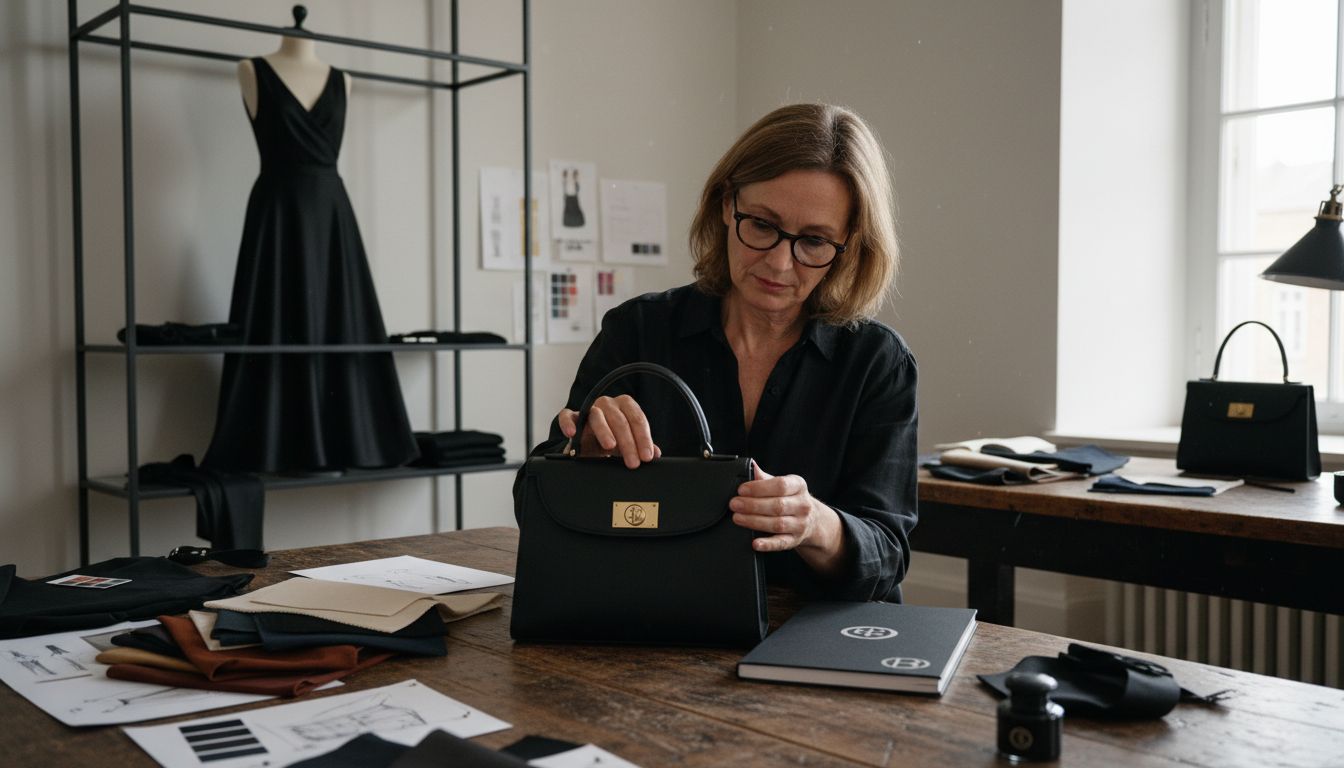
Process of Creating Timeless Fashion Pieces
Creating timeless fashion pieces is an intricate journey of creativity, technical expertise, and profound understanding of design principles. ICF provides insights into the comprehensive process that transforms abstract concepts into enduring fashion statements, emphasizing the delicate balance between innovative vision and practical execution.
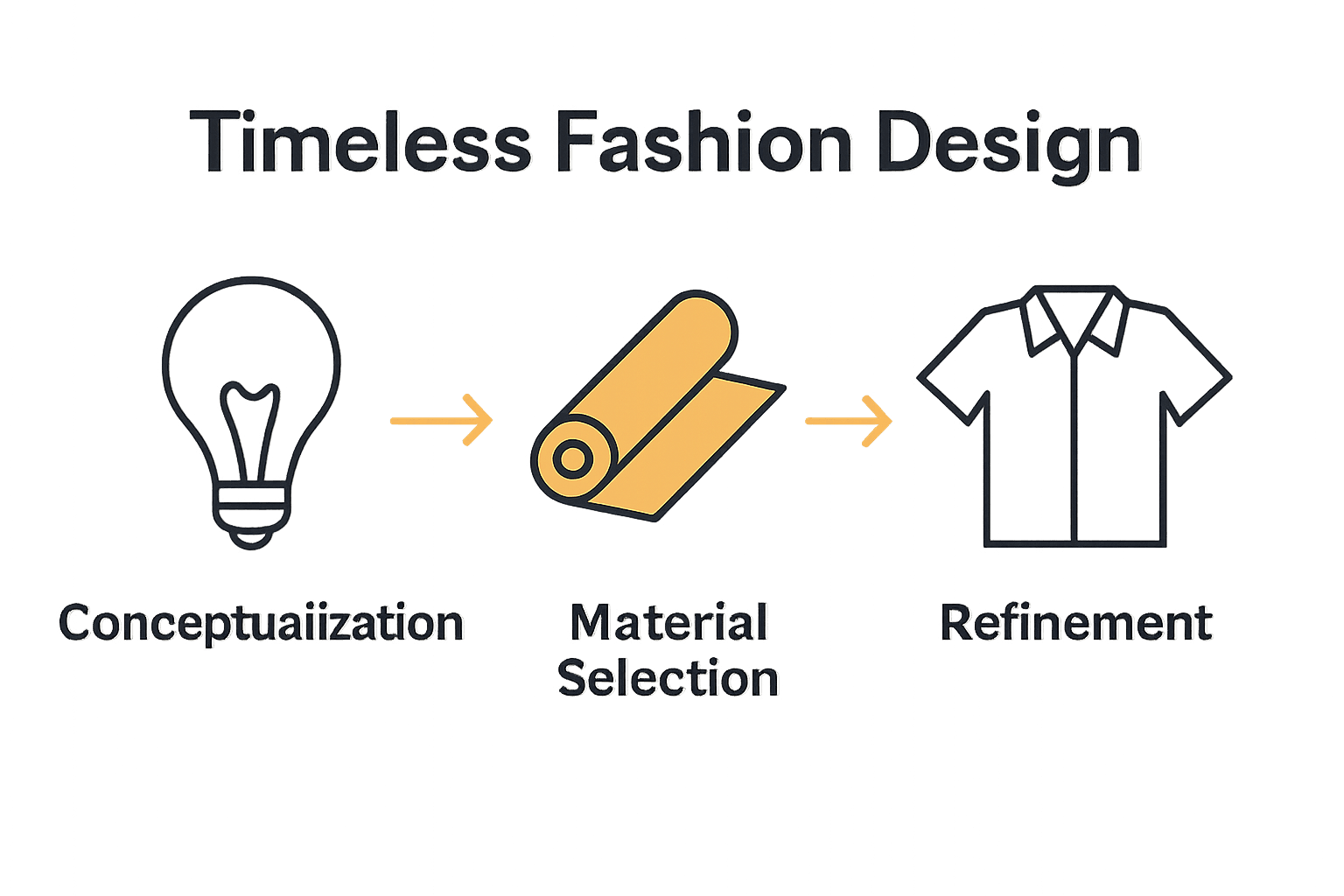
The foundational stages of creating timeless fashion pieces involve several critical steps:
Conceptualization: Developing original design ideas
Research: Analyzing historical and contemporary design trends
Sketching: Translating conceptual ideas into visual representations
Material Selection: Choosing high-quality, durable fabrics
Prototype Development: Creating initial design iterations
Refinement: Perfecting fit, silhouette, and aesthetic details
JDInstitute highlights the significance of theoretical knowledge in design conceptualization, demonstrating how deep understanding of fashion history and design principles enables creators to develop pieces that transcend temporary trends. The Art of Building a Timeless Elegant Wardrobe illustrates how thoughtful design goes beyond momentary aesthetics, focusing on creating pieces that maintain relevance and elegance across different contexts and time periods.
Ultimately, crafting timeless fashion is an art of anticipation and restraint. Designers must navigate the delicate balance between innovation and classic elegance, creating pieces that feel simultaneously contemporary and eternal. This requires a deep understanding of form, function, and the subtle nuances that transform clothing from temporary fashion into lasting style statements that speak to individual expression and cultural sophistication.
Design Trends and Innovation in Modern Fashion
The landscape of modern fashion design is undergoing a profound transformation, driven by technological advancements and innovative approaches that challenge traditional boundaries. arXiv highlights the remarkable intersection of fashion and technology, demonstrating how computer vision and digital tools are revolutionizing design processes, analysis, and creative expression.
Key innovations reshaping modern fashion design include:
Artificial Intelligence: Personalized design recommendations
Digital Prototyping: Virtual garment simulation
Sustainable Technologies: Eco-friendly material development
Computational Design: Advanced pattern and silhouette generation
Augmented Reality: Interactive design visualization
Machine Learning: Trend prediction and analysis
arXiv reveals groundbreaking developments like ‘Chat-to-Design,’ an innovative AI-powered multimodal system that enables personalized fashion design through intelligent interaction. Unveiling the Upcoming Handbag Fashion Trends exemplifies how emerging technologies are transforming design approaches, allowing for more dynamic and responsive creative processes.
Ultimately, innovation in fashion design represents a delicate balance between technological potential and human creativity. Designers are no longer just creators but curators of experience, using cutting-edge tools to translate complex emotional and cultural narratives into wearable art that resonates with individual expression and collective imagination.
Critical Mistakes to Avoid in Fashion Design
Fashion design is a nuanced art where seemingly minor missteps can dramatically undermine the potential of a collection. ICF provides critical insights into the common pitfalls that can derail even the most promising design ventures, emphasizing the delicate balance between creative vision and practical execution.
The most consequential mistakes in fashion design include:
Neglecting Market Research: Creating designs disconnected from consumer needs
Overlooking Functionality: Prioritizing aesthetics over wearability
Ignoring Trend Dynamics: Failing to understand evolving style landscapes
Poor Material Selection: Choosing fabrics that compromise design integrity
Inconsistent Brand Identity: Losing coherence across collections
Underestimating Fit and Proportion: Compromising garment structural elegance
JDInstitute emphasizes the critical importance of theoretical frameworks in avoiding design pitfalls, demonstrating how foundational knowledge prevents creating collections that lack cohesion and market relevance. The Art of Building a Timeless Elegant Wardrobe reinforces that successful design transcends momentary trends, requiring a deep understanding of aesthetic principles and consumer psychology.
Ultimately, avoiding critical design mistakes requires a holistic approach that harmonizes creativity with strategic thinking. Designers must cultivate a keen awareness of market dynamics, technical constraints, and the subtle interplay between innovation and timeless elegance. The most successful designs emerge not from avoiding mistakes entirely, but from transforming potential missteps into opportunities for deeper creative exploration and refined aesthetic expression.
Discover Timeless Elegance Through Thoughtful Fashion Design
Understanding the vital role of design in fashion means appreciating how every detail shapes identity, functionality, and luxury. If you seek pieces that go beyond fleeting trends and embody meticulous craftsmanship and cultural storytelling, you are ready to experience fashion that speaks to your individuality and aspirations. At Vivien Lauren, we curate elegant women’s apparel and accessories that reflect these principles through handcrafted Italian creations designed for timeless style.


Transform your wardrobe with sophisticated dresses, bags, and shoes that are crafted with precision and passion. Explore how our collections bring to life the nuanced art of design, perfect for those who value quality and enduring beauty. Start your journey toward a refined expression of personal style at Vivien Lauren and enjoy exclusive benefits like free UK shipping. Elevate your fashion experience today by embracing elegance that lasts.
Frequently Asked Questions
What is the role of design in fashion?
Design plays a transformative role in fashion, acting as a means to translate creative visions into wearable art. It serves as a communication medium that reflects cultural narratives, individual expression, and societal shifts, addressing complex social, environmental, and cultural challenges.
What are the different types of fashion design?
The primary types of fashion design include haute couture, ready-to-wear, sustainable fashion, streetwear, and avant-garde. Each type represents unique approaches to creativity and consumer engagement, showcasing a spectrum of aesthetic and practical expressions.
How does design influence luxury and brand identity in fashion?
Design fundamentally influences luxury and brand identity by establishing visual consistency, selecting materials that reflect brand ethos, and incorporating craftsmanship details. Every design choice contributes to a brand’s narrative, elevating garments beyond mere clothing to powerful symbolic expressions of lifestyle and aspiration.
What are critical mistakes to avoid in fashion design?
Critical mistakes in fashion design to avoid include neglecting market research, overlooking functionality, ignoring evolving trends, poor material selection, and inconsistent brand identity. Balancing creativity with practical execution is essential for successful design outcomes.
Recommended

Article written by Shona White on behalf of Vivien Lauren. Vivien Lauren. Luxury. Craftsmanship that's Proudly Italian. Vivien Lauren. Proud to Style.


