
High Fashion’s Impact on Personal Style and Luxury
Updated: Jan 28
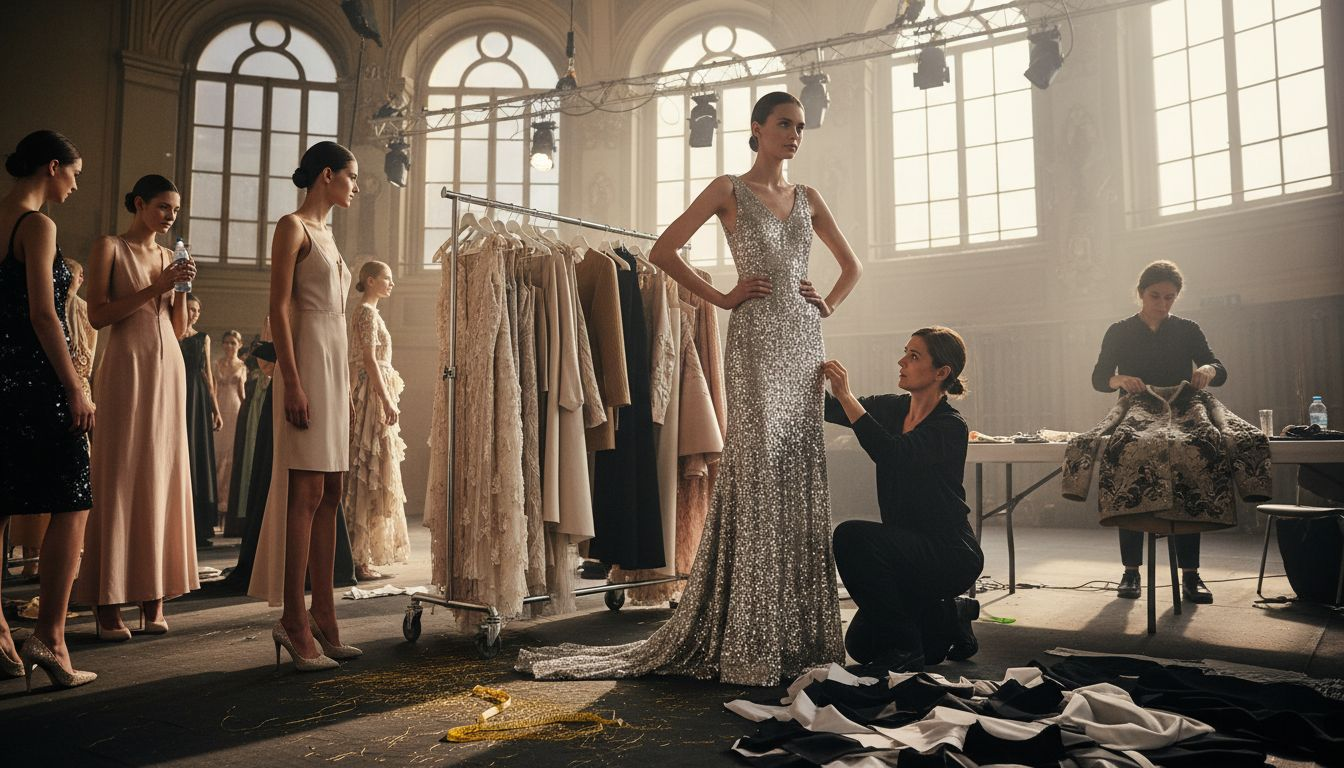
A while ago I wrote about Haute Couture. Due to you, our readers' request we are now bringing you this piece on High Fashion.
Most advice about high fashion gets it wrong. The idea that only American celebrities or impossibly thin models access true luxury still shapes how European women perceive design. In reality, high fashion invites authentic expression through Italian craftsmanship, heritage, and artistry. This guide clears away common myths and reveals what truly matters: understanding the narrative, signature materials, and lasting value behind each exclusive piece you choose to embrace.
Table of Contents
Key Takeaways
Point | Details |
Understanding High Fashion | High fashion is a multifaceted cultural phenomenon that includes artistic expression and social identity, not just expensive clothing. |
Haute Couture vs. Ready-to-Wear | Haute couture offers personalized, handmade garments, while ready-to-wear focuses on accessible, factory-produced collections that reach a broader market. |
Shift to Slow Fashion | Consumers are increasingly prioritizing sustainability and ethical practices, favoring quality over quantity in their fashion choices. |
Sustainability in Luxury Fashion | Luxury brands face the challenge of balancing profitability with environmental responsibilities, requiring innovative business models and transparent practices. |
Defining High Fashion and Common Myths
High fashion represents more than expensive clothing. It embodies a complex cultural phenomenon that transcends mere garment production, representing artistic expression, social identity, and creative innovation. Complex cultural narratives reveal high fashion as a sophisticated system of communication where designers translate aesthetic visions into wearable art.
Contrary to popular misconceptions, high fashion isn’t exclusively about prohibitively expensive clothing or unattainable runway designs. Instead, it functions as a dynamic ecosystem where creativity, craftsmanship, and cultural commentary intersect. Multinational corporations have strategically marketed high fashion not just as product categories, but as comprehensive lifestyle statements that communicate personal values and societal aspirations.

Some persistent myths about high fashion require critical examination. Many individuals assume high fashion is exclusively reserved for wealthy elites or impossibly thin models. In reality, contemporary fashion myths demonstrate that high fashion represents inclusivity, individual expression, and ongoing cultural dialogue. Modern designers increasingly challenge traditional aesthetic boundaries, creating collections that celebrate diversity, challenge social norms, and provide multiple interpretations of beauty.
Pro Tip: When exploring high fashion, focus on understanding the narrative and craftsmanship behind a piece rather than its price tag or immediate wearability.
Key Types: Haute Couture and Ready-to-Wear
High fashion fundamentally comprises two distinct yet interconnected categories: haute couture and ready-to-wear. Creative distinctions between fashion types reveal profound differences in production, philosophy, and cultural significance that extend far beyond simple clothing manufacturing.
Haute couture represents the pinnacle of fashion craftsmanship, characterized by exclusively handmade garments created for individual clients through meticulous, labor-intensive processes. Each piece is custom-designed, often requiring hundreds of hours of skilled artisan work, and represents the most personalized form of fashion expression. In contrast, ready-to-wear collections are factory-produced, standardized clothing lines designed to be mass-produced and immediately accessible to a broader consumer base. Worldwide fashion production contrasts demonstrate how these two categories serve different market segments and aesthetic purposes.
The economic and creative dynamics between haute couture and ready-to-wear are complex. While haute couture remains an elite art form with extremely limited production, ready-to-wear serves as the commercial engine that allows fashion houses to translate high-concept design into economically viable products. Ready-to-wear collections democratize fashion, making designer aesthetics accessible to a wider audience while maintaining core design principles established in haute couture workshops.
Here’s a concise comparison of haute couture and ready-to-wear high fashion categories:
Aspect | Haute Couture | Ready-to-Wear |
Production Method | Individually handmade, custom-fitted | Factory-produced, standardized |
Accessibility | Limited to select clients | Available to wide consumers |
Typical Price Range | Exceptionally high | Moderate to expensive |
Creative Approach | Artistic, personalized | Trend-driven, practical |
Pro Tip: When exploring fashion collections, appreciate both haute couture’s artistic expression and ready-to-wear’s practical innovation as complementary aspects of design creativity.
Signature Craftsmanship and Luxury Materials
Luxury fashion transcends simple clothing production, representing a complex intersection of artistry, heritage, and technical expertise. Luxury fashion’s intricate craftsmanship reveals how premium materials and meticulous techniques transform garments from mere clothing into wearable art pieces that communicate cultural and personal narratives.
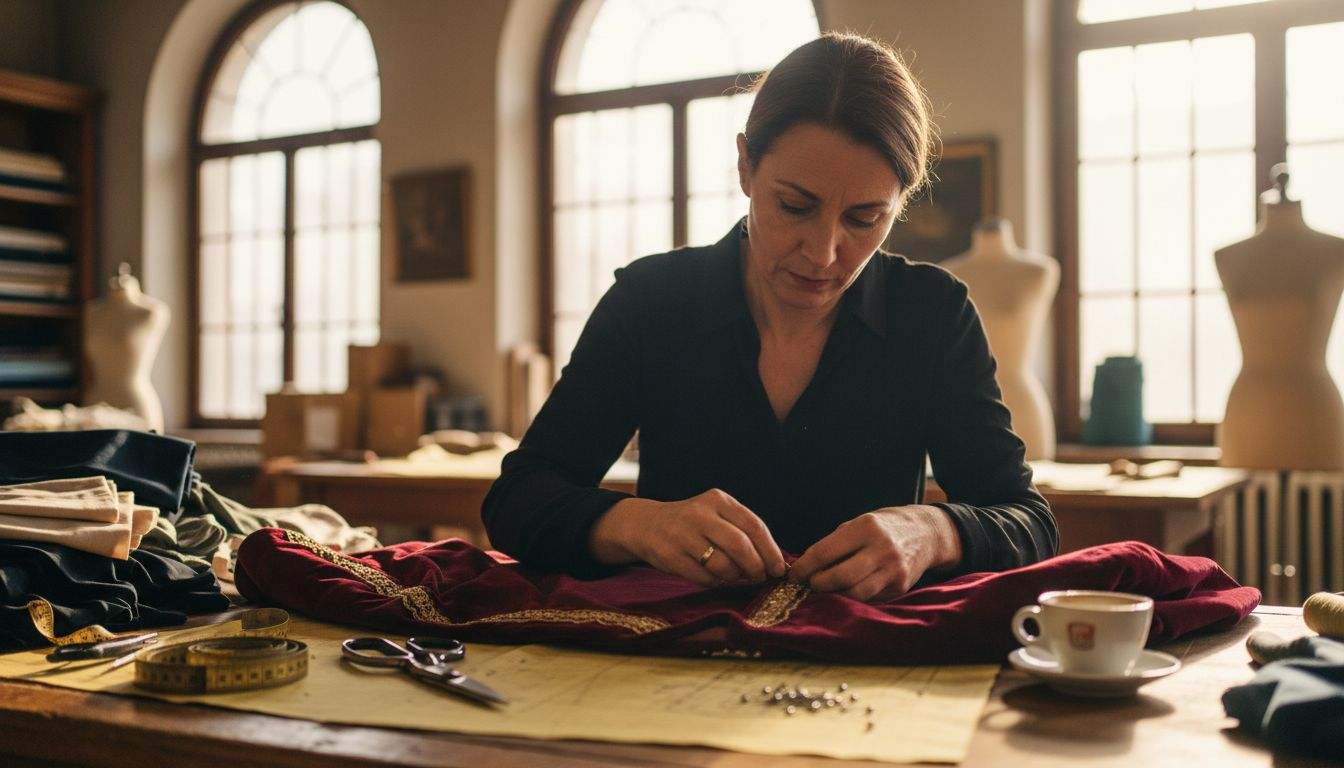
The selection of materials represents a critical dimension of high fashion craftsmanship. Designers carefully source extraordinary textiles like handwoven silks, rare Italian leathers, and custom-developed fabrics that cannot be replicated through mass production. Each material undergoes rigorous selection, with artisans examining thread count, texture, durability, and aesthetic potential. These materials are not simply chosen for appearance, but for their ability to communicate sophisticated design intentions and provide exceptional tactile experiences.
Creativity in global luxury production demonstrates how craftsmanship bridges traditional techniques with innovative design approaches. Master artisans blend generations-old skills with contemporary technological innovations, creating garments that honor historical manufacturing techniques while pushing aesthetic boundaries. This delicate balance between respecting traditional craftsmanship and embracing modern design principles defines the essence of luxury fashion, transforming clothing into cultural statements that transcend temporal trends.
Pro Tip: When evaluating luxury fashion pieces, examine the subtle details of craftsmanship like hand-sewn seams, unique material selections, and precision of construction.
Slow Fashion, Trends, and Consumer Influence
The contemporary fashion landscape is undergoing a profound transformation, driven by increasingly conscious consumer behaviors and ethical considerations. Slow fashion consumer behavior reveals a complex interplay between ethical values, sustainability awareness, and actual purchasing decisions that challenges traditional fashion consumption patterns.
Consumers are progressively moving beyond superficial trend-following, demanding transparency, sustainability, and meaningful connections with their clothing choices. This shift represents more than a fleeting trend; it signifies a fundamental reevaluation of fashion’s role in personal identity and social responsibility. Consumer motivations in sustainable fashion demonstrate that modern shoppers seek garments that not only reflect their aesthetic preferences but also align with their deeper ethical and environmental values.
The emergence of slow fashion represents a strategic response to the environmental and social challenges posed by fast fashion. This approach emphasizes quality over quantity, encouraging consumers to invest in timeless, well-crafted pieces that transcend seasonal trends. By prioritizing durability, ethical production, and mindful consumption, slow fashion challenges the traditional fashion industry’s rapid production cycles and disposable culture, offering a more sustainable and thoughtful alternative to contemporary clothing consumption.

Pro Tip: Build a wardrobe that prioritizes quality, versatility, and timeless design rather than chasing fleeting trends.
Financial Implications and Sustainability Concerns
Luxury fashion increasingly confronts a critical intersection between economic viability and environmental responsibility. Environmental sustainability in luxury markets reveals a complex landscape where financial strategies must simultaneously address consumer expectations, brand reputation, and ecological impact.
Brands face significant financial challenges when implementing sustainable practices. The initial investment in environmentally conscious production methods, ethical sourcing, and sustainable materials often requires substantial upfront capital. However, sustainable brand marketing strategies demonstrate that these investments can ultimately generate long-term economic value by attracting conscientious consumers and creating brand differentiation in an increasingly competitive market.
The economic calculus of sustainability extends beyond immediate financial metrics. Luxury fashion brands must now consider the broader economic implications of their production choices, including potential carbon taxation, consumer perception, and long-term brand resilience. This holistic approach requires reimagining business models that balance profitability with environmental stewardship, creating value through innovative design, responsible sourcing, and transparent communication about sustainability efforts.
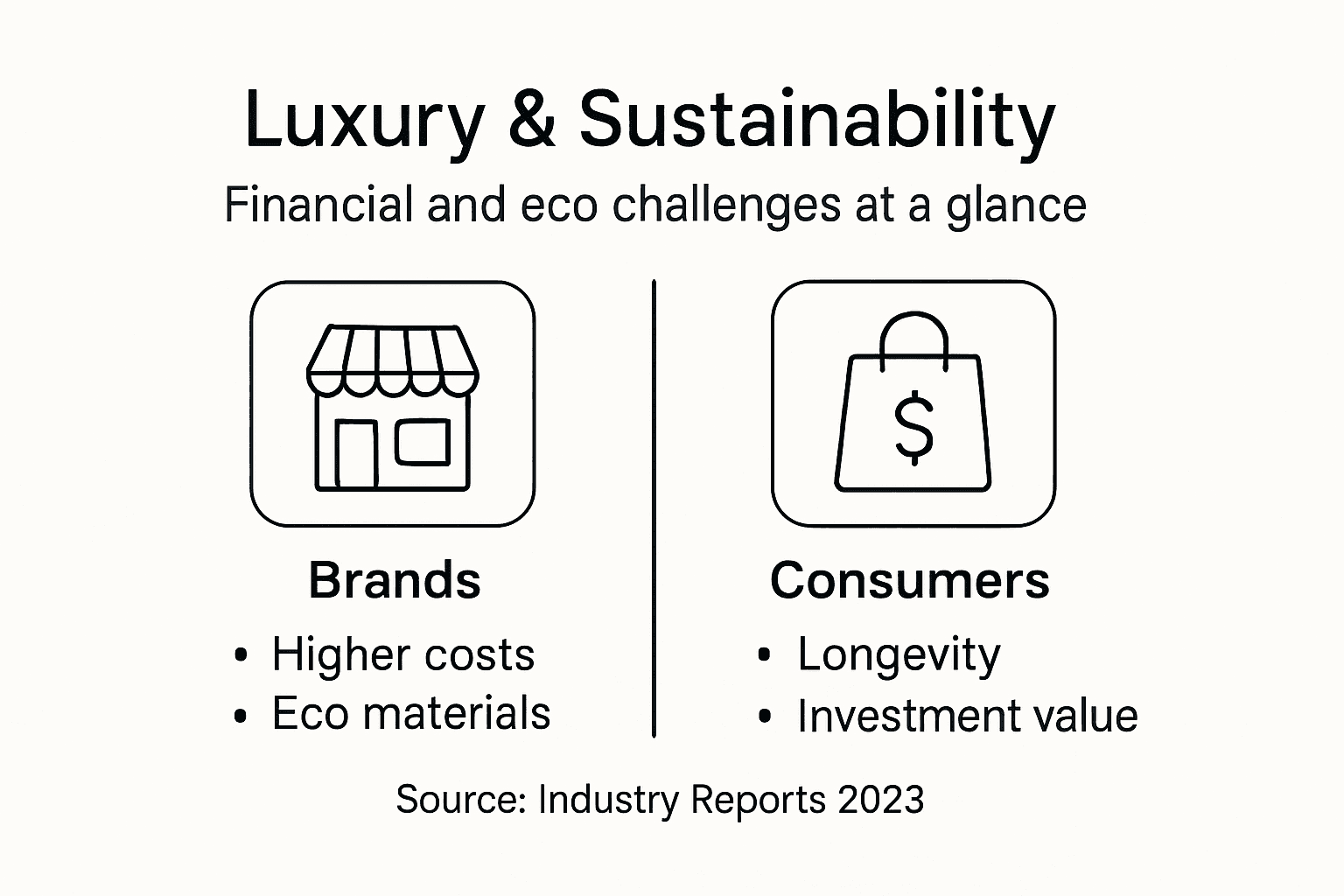
This summary highlights factors influencing sustainable luxury fashion:
Factor | Impact on Brands | Impact on Consumers |
Sustainable Materials | Raises production costs | Increases ethical confidence |
Transparency | Improves reputation | Builds brand trust |
Eco-Friendly Designs | Differentiates in market | Appeals to eco-conscious buyers |
Long-Term Value | Enhances resilience | Justifies higher investment |
Pro Tip: Evaluate luxury fashion investments not just by immediate cost, but by their long-term environmental and economic sustainability.
Elevate Your Personal Style with Timeless Luxury
Navigating high fashion’s complex world can feel overwhelming when trying to balance creativity, craftsmanship, and your own unique expression. This article highlights key challenges like understanding the artistry behind haute couture and embracing sustainable slow fashion trends while making confident wardrobe choices. If you seek to invest in elegant, handcrafted pieces that reflect your personal values and stand the test of time, Vivien Lauren offers a curated selection designed precisely for discerning women who value quality and sophistication.

Explore our exclusive collections today and discover how each garment embodies exceptional Italian craftsmanship passed down through generations. Shop now to enjoy free UK & international shipping on qualifying orders and interest-free installment plans, with 10% off your first order that make embracing luxury easier than ever. Take the next step toward a wardrobe that celebrates artistry, sustainability, and your individual style at Vivien Lauren. Because luxury fashion should empower your identity and be accessible on your terms.
Frequently Asked Questions
What is high fashion, and how does it differ from regular fashion?

High fashion, or haute couture, is characterized by exclusive, handmade clothing created for individual clients, representing artistic expression and craftsmanship. Unlike regular fashion, it focuses on personalized design and unique artistic vision rather than mass production.
How does high fashion influence personal style?
High fashion influences personal style by setting trends and establishing aesthetic conversations. It encourages individuals to express their identity through unique garments that reflect their values and cultural narratives, moving beyond superficial trend-following.
What are the key differences between haute couture and ready-to-wear collections?
Haute couture consists of handcrafted, custom-fitted garments made for individual clients, while ready-to-wear collections are factory-produced and standardized for mass consumption, making them more accessible to a wider audience.
How can consumers adopt slow fashion principles in their wardrobe?
Consumers can adopt slow fashion principles by investing in quality over quantity, choosing timeless and versatile pieces, prioritizing ethical production, and making mindful clothing choices that resonate with their personal values and sustainability awareness.
Recommended

This piece, on, What is High Fashion has been written for you by Shona White. On behalf of Vivien Lauren.
Vivien Lauren. Luxury. Craftsmanship that's Proudly Italian. Vivien Lauren. Proud to Style.


