
Why Handcrafted Accessories Matter for Timeless Style
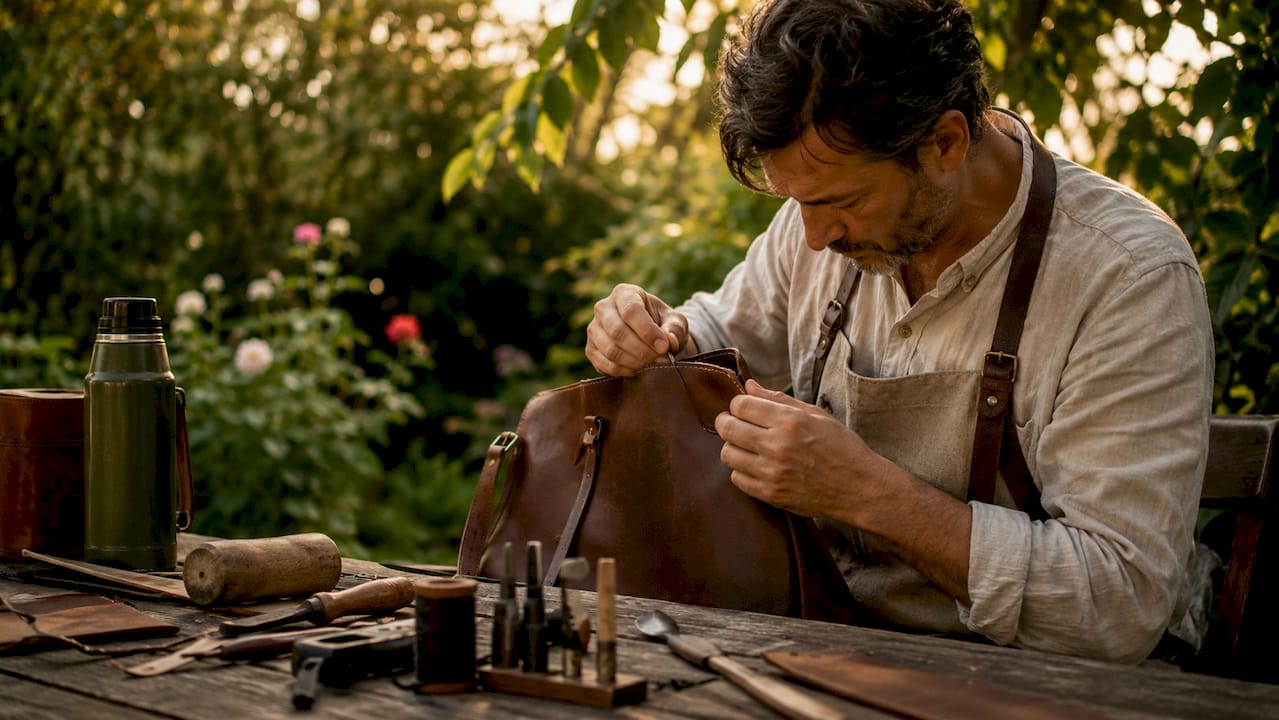
From the Legacy of Handcraftsmanship, comes the Undeniable Class of Quality: Vivien Lauren.
Handcrafted accessories are created through skilled human labor, emphasizing quality, sustainability, and personal meaning. They age gracefully, often taking weeks to produce, and reflect the artisan’s expertise, making them a lasting investment. Consumers now prefer these pieces for their authenticity, storytelling, and alignment with environmental and social values.
Handcrafted accessories are defined by the deliberate, skilled human labor that shapes each piece from raw material to finished form, making them fundamentally different from anything a factory line produces at scale. This distinction is why handcrafted accessories matter so deeply to women who view fashion as a language of identity, not just a wardrobe decision. The artisanal tradition, as it is known in the industry, encompasses everything from the weight of a hand-stitched leather clasp to the considered sourcing of materials that carry their own story. Designers like Bell Quintão and makers behind the Felus ION bag have shown that this tradition is not nostalgic sentiment. It is a living, evolving practice that answers the most pressing questions in luxury fashion today: quality, sustainability, and meaning.
Why handcrafted accessories matter: craftsmanship and lasting value
The quality of a handcrafted piece reveals itself in ways that mass production simply cannot replicate. Quality signals visible on arrival include finishing precision, seam tightness, hardware weight, and the way materials age with wear. These are not superficial details. They are the physical evidence of a maker’s skill, accumulated over years of practice and passed down through generations of artisanal tradition.
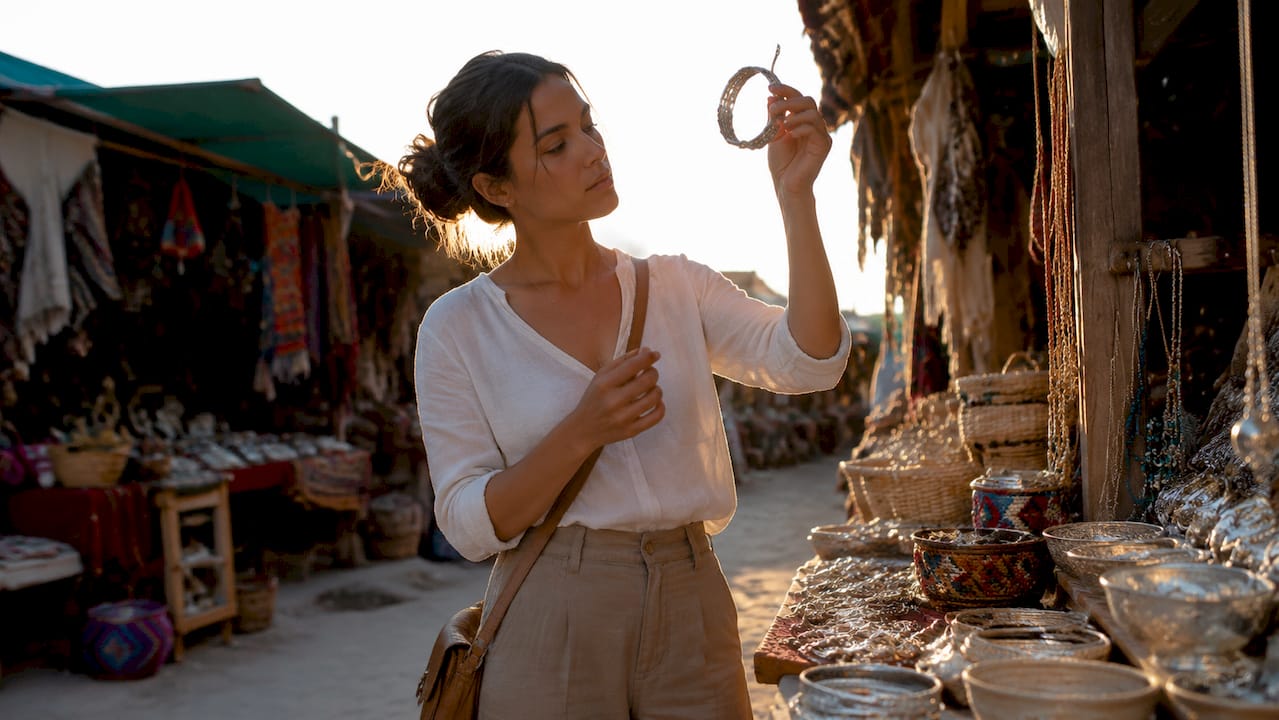
Production time is one of the most honest measures of craft integrity. The Felus ION bag requires a 4–6 week production cycle, a timeline that cannot be shortened without sacrificing the very qualities that make the piece worth owning. That constraint is not a limitation. It is proof that no shortcut was taken, and no detail was left to a machine’s approximation.
This level of care translates directly into how consumers feel about their purchases over time. Research confirms that product value and customer experience significantly influence repurchase intentions for handcrafted goods, with satisfaction acting as the bridge between a first purchase and a lasting loyalty. A well-made accessory does not just endure physically. It deepens in meaning with every season it accompanies you.
The invisible skills of an artisan also create value that no price tag fully captures. Consider what it means for a craftsperson to know, by touch alone, when a seam is perfectly tensioned or when a leather edge has been burnished to exactly the right smoothness. That knowledge lives in the hands, not in a manual.
Finishing quality: Look for clean, even edges on leather goods and consistent thread tension in stitching.
Hardware weight: Heavier clasps and rings typically indicate solid metal rather than plated zinc alloy.
Material aging: Fine leather and natural textiles develop a patina over time. This is a sign of quality, not wear.
Construction method: Hand-stitched seams, particularly saddle-stitched leather, outlast machine-sewn alternatives by years.
Pro Tip: Run your fingertip along the interior seams of a bag or the back of a brooch. Rough edges or uneven stitching are the clearest signs that a piece was assembled quickly, regardless of what the label claims.
How do handcrafted accessories support sustainable fashion?
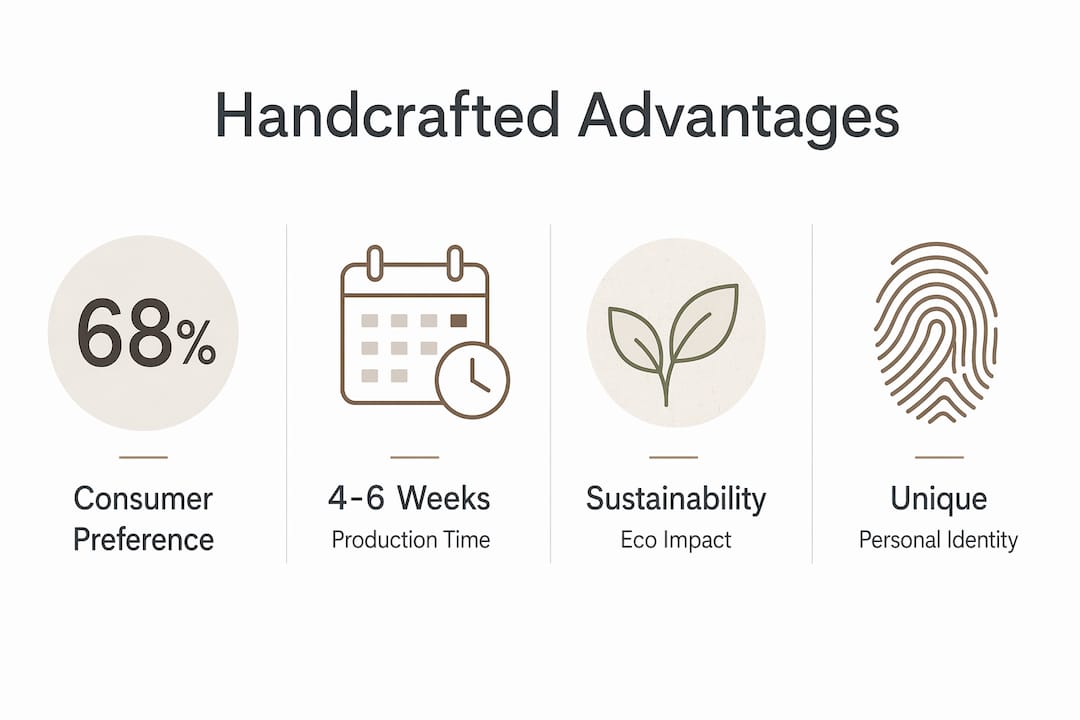
Sustainability in fashion is not achieved through marketing language. It is built into decisions made long before a piece reaches your hands. Bell Quintão, whose work with rescued leather and recycled plexiglass hardware has become a reference point in responsible luxury, describes her sourcing philosophy as working with “materials already in motion.” She draws from surplus Italian leather stocks and fully recycled components, reducing textile waste before a single cut is made.
This approach stands in sharp contrast to fast fashion’s relentless cycle of trend, production, and disposal. Handcrafted accessories are designed to last decades, not seasons. That longevity is itself a sustainability strategy, because a piece worn for twenty years displaces dozens of cheaper alternatives that would otherwise end up in landfill.
“Sustainability in handcrafted accessories hinges on longevity and responsible pre-production sourcing decisions rather than marketing eco-labels alone.” — Insight drawn from Bell Quintão’s sourcing philosophy
The slow fashion philosophy that governs artisanal production also changes the relationship between maker and material. When a craftsperson spends weeks on a single piece, they are naturally inclined to select the finest available materials and treat them with care. Waste becomes unacceptable, not just ethically, but practically.
Surplus sourcing: Designers like Bell Quintão use leather from Italian suppliers’ excess stocks, giving existing materials a purposeful second life.
Recycled hardware: Clasps, rings, and structural elements made from recycled metals and plexiglass reduce the demand for newly extracted resources.
Longevity by design: Pieces built to last twenty years carry a far smaller environmental footprint than ten two-year accessories combined.
Small-batch production: Limited runs reduce overproduction, one of the most significant drivers of fashion waste globally.
For women who care about sustainable custom fashion and its real-world impact, handcrafted accessories offer a concrete way to align purchasing decisions with personal values. The piece you choose becomes part of a longer story, one that begins with a responsible maker and continues with you.
Do handcrafted accessories express identity better than mass-produced pieces?
The answer is yes, and the data supports it. 68% of consumers prefer handcrafted accessories with traceable, human-centered origins over mass-produced alternatives, citing identity and sustainability values as primary drivers. That figure reflects a profound shift in how women relate to what they wear. An accessory is no longer simply decorative. It is a declaration.
Millennials and Gen Z have accelerated this shift, drawn to pieces that carry narrative, cultural, and personal significance beyond their visual appeal. When you know that a necklace was formed by a single pair of hands in a Florence workshop, or that a bag’s leather came from a family-run tannery in Tuscany, the piece carries weight that no mass-produced item can simulate. You are not just wearing an accessory. You are wearing a relationship.
Psychology adds another dimension to this. Research shows that handmade goods carry a perceived love premium in the minds of consumers, particularly when chosen as gifts. The emotional signal embedded in a handcrafted piece communicates care, intentionality, and a refusal to settle for the generic. That signal resonates whether the piece is a gift to someone else or a considered investment in your own wardrobe.
The contrast with mass production is stark. When a factory produces 50,000 identical bracelets, each one carries no story, no variation, and no trace of the human experience. Handcrafted pieces, by definition, are never perfectly identical. That slight variation is not a flaw. It is the signature of a living craft.
Know the maker’s story. Seek out brands and artisans who share the origins of their materials and the methods behind their work. Transparency is the first mark of integrity.
Choose pieces that reflect your values. If sustainability matters to you, look for makers who source responsibly and design for longevity rather than trend cycles.
Wear pieces that carry meaning. A handcrafted accessory connected to a culture, a place, or a personal memory becomes more valuable with time, not less.
Resist the pull of uniformity. The slight imperfections in a hand-formed piece are what make it yours alone. Embrace them as evidence of authentic craft.
The role of accessories in personal style has always been to complete a look with intention. Handcrafted pieces do this with a depth that manufactured alternatives cannot approach.
How to choose handcrafted accessories with confidence
Selecting a handcrafted piece well requires both eye and instinct, but there are concrete signals that guide the process. The first is touch. Run your hand across the surface of a leather good and feel for consistency. Uneven texture, rough interior edges, or hardware that feels hollow when tapped are signs of compromised construction, regardless of the price point.
The second signal is transparency. A maker who is proud of their craft will tell you where the materials came from, how long the piece took to produce, and what techniques were used. Opacity on these questions is itself an answer. The timeless elegance of handcrafted leather is inseparable from the story of how it was made and where the material originated.
Price deserves honest consideration. Handcrafted accessories cost more because they take longer to make, use better materials, and are produced in smaller quantities. That cost, however, is offset by longevity. Research confirms that higher satisfaction and repurchase intention follow naturally from strong product value and positive experience, which means a well-chosen handcrafted piece tends to earn its place in your wardrobe many times over.
Ask about production time. A piece that takes weeks to make is almost always more carefully constructed than one produced in hours.
Examine the interior. The inside of a bag or the back of a piece of jewelry reveals the maker’s standards more honestly than the visible exterior.
Research the artisan or brand. Look for makers with a documented heritage, a clear sourcing philosophy, and a consistent aesthetic that reflects genuine creative vision.
Consider the full cost of ownership. A £300 handcrafted bag worn for fifteen years costs far less per use than a £60 alternative replaced every two seasons.
Pro Tip: When shopping online, request detail photographs of the interior construction, hardware backs, and edge finishing before purchasing. A confident artisan will always provide them.
Key Takeaways
Handcrafted accessories justify their value through craftsmanship, sustainability, and identity, making them the most meaningful investment in any luxury wardrobe.
Point | Details |
Craftsmanship is measurable | Assess seam quality, hardware weight, and material aging to verify authentic artisanal construction. |
Sustainability is built in | Responsible sourcing and longevity by design make handcrafted pieces genuinely eco-conscious choices. |
Identity drives demand | 68% of consumers prefer accessories with traceable, human-centered origins over mass-produced alternatives. |
Production time signals integrity | A 4–6 week production cycle, as with the Felus ION bag, is proof that craft quality was never compromised. |
Long-term value outweighs upfront cost | Strong product value and customer satisfaction lead to higher repurchase intention and lasting wardrobe loyalty. |
Why I believe handcrafted accessories are the future of meaningful luxury
I have spent years watching the conversation around luxury fashion shift, and what strikes me most is how the women who dress with the greatest authority are rarely the ones chasing the newest trend. They are the ones who have learned to recognize quality by touch, who know the name of the artisan behind their favorite bag, and who wear the same exquisite piece across decades with undiminished pride.
The argument for handcrafted accessories is not sentimental. It is practical. When you invest in a piece made with genuine skill and responsible materials, you are opting out of the exhausting cycle of acquisition and disposal that fast fashion demands. You are choosing something that will age with you, that will carry the marks of your life without losing its beauty.
What I find most compelling, though, is the emotional dimension. There is a quality of presence in a handcrafted piece that manufactured goods simply do not possess. You feel it when you hold a well-made leather clutch, when the weight of it in your hand communicates care and intention. That feeling is not imagined. It is the accumulated skill of a craftsperson, made tangible.
My advice is this: buy fewer pieces, but buy them with discernment. Learn to read the signals of quality. Ask questions of the brands you support. And allow yourself to be moved by the story behind what you wear, because that story is part of what you carry into the world.
— Vivien
Discover handcrafted accessories at Vivienlauren
Vivienlauren curates a collection of handcrafted fashion accessories made in Italy, where artisanal skill has been passed down through generations of dedicated makers. Each piece reflects a commitment to exquisite construction, responsible sourcing, and the kind of timeless femininity that transcends seasonal trends.
Whether you are drawn to the supple elegance of handmade leather mule shoes or seeking a complete wardrobe of considered, beautifully crafted pieces, the Vivienlauren fashion accessories collection offers a thoughtfully assembled range for women who dress with intention. Free UK shipping is available on orders over £80, with international shipping on orders above £300. Explore the full world of Vivienlauren and find the pieces that will accompany you for years to come.
FAQ
What makes an accessory truly handcrafted?
A truly handcrafted accessory is shaped primarily by skilled human hands rather than automated machinery, with quality signals like even stitching, weighted hardware, and consistent material finishing serving as proof of authentic artisanal production.
Are handcrafted accessories worth the higher price?
Research confirms that strong product value and positive customer experience lead to higher satisfaction and repurchase intention, meaning a well-made handcrafted piece typically delivers greater long-term value than cheaper mass-produced alternatives.
How do handcrafted accessories support sustainability?
Designers like Bell Quintão demonstrate that genuine sustainability comes from sourcing rescued and surplus materials before production begins, combined with designing pieces built to last decades rather than seasons.
Why do younger consumers prefer handmade accessories?
Millennials and Gen Z are drawn to handmade accessories because they carry narrative, cultural, and personal significance that mass-produced items cannot offer, shifting shopping from a transaction to an emotional and identity-driven experience.
How can I verify the quality of a handcrafted piece before buying?
Examine interior seams, hardware weight, and edge finishing, and ask the maker or retailer for detailed photographs of construction. A confident artisan will always provide this information without hesitation.
Recommended
This fashion piece has been written and brought to you by Chloe. For Vivien Lauren. Vivien Lauren. Luxury. Craftsmanship. That's Proudly Italian. Vivien Lauren. Proud To Style.

