
Beauty & Fashion: The Power of Timeless Luxury
Updated: Mar 17

Choosing the perfect European or Italian-made luxury piece often means navigating a world where style, heritage, and values all matter. For those who seek more than fleeting trends, luxury fashion offers a powerful way to showcase timeless design and meticulous craftsmanship. This article offers a clear look at what truly sets handcrafted luxury apparel and accessories apart, highlighting the artistry, exclusivity, and thoughtful practices behind every piece.
Table of Contents
Key Takeaways
Point | Details |
Understanding Luxury Fashion | Luxury fashion is about craftsmanship, timeless design, and cultural narratives that express individuality and artistic vision. |
Investment in Quality | Focus on timeless pieces with exceptional construction that reflect personal style rather than fleeting trends. |
Sustainable Practices Matter | Embrace slow fashion by choosing brands prioritizing ethical production, resource efficiency, and garment longevity. |
Ethical Consumerism | Research brands’ sustainability claims to ensure your purchases align with responsible environmental and social practices. |
Defining Beauty & Luxury Fashion
Beauty and luxury fashion represent far more than aesthetic appearances—they embody complex cultural narratives about identity, social dynamics, and personal expression. Fashion’s temporal dimensions reveal intricate societal processes that extend beyond mere clothing choices.
At its core, luxury fashion transcends transient trends by emphasizing several key characteristics:
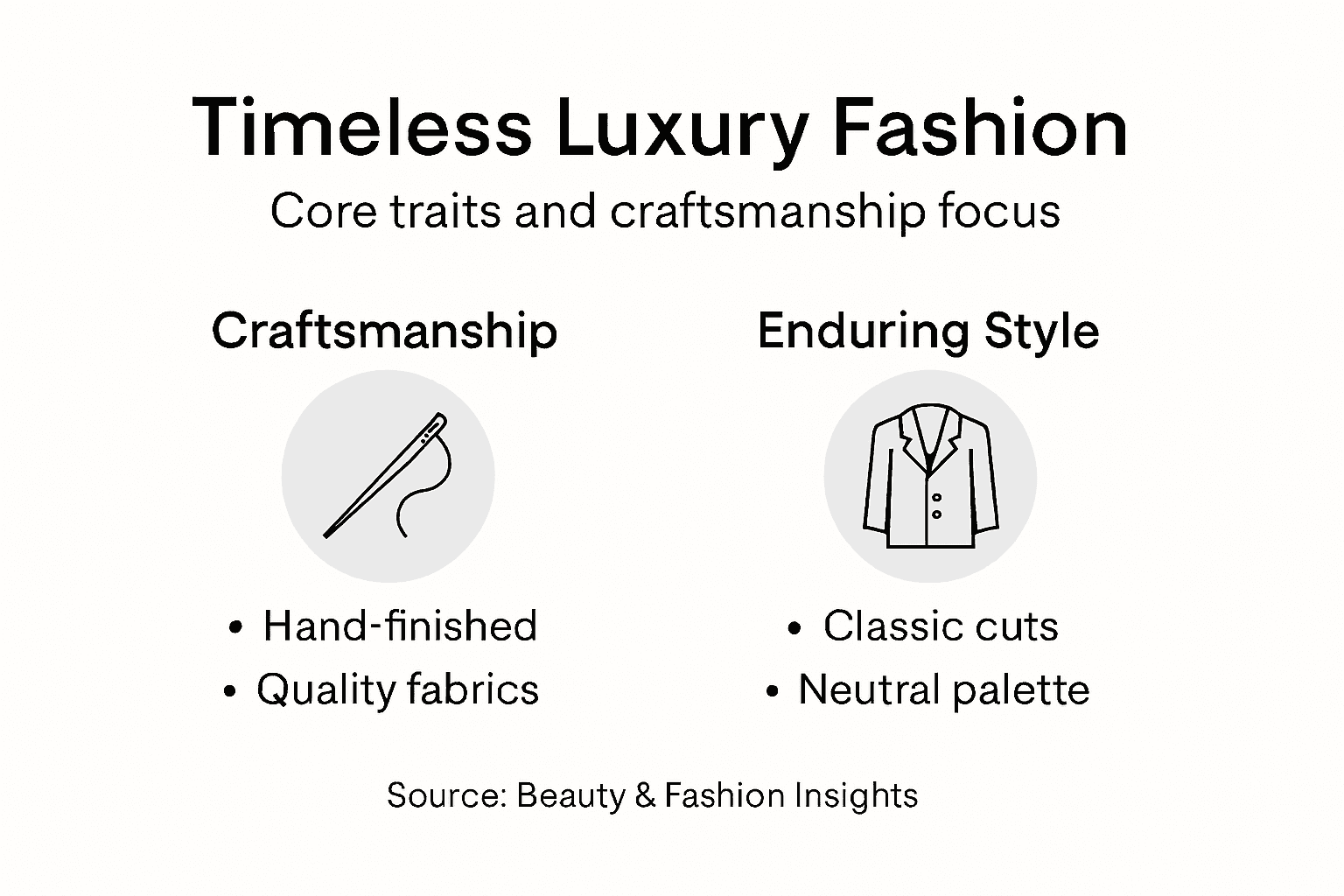
Exceptional craftsmanship that prioritizes quality over quantity
Timeless design that resists rapid obsolescence
Precision of construction demonstrating remarkable technical skill
Material excellence using rare, high-grade textiles and components
The distinction between beauty and fashion lies in their intrinsic relationship with time and perception. While beauty might represent an ephemeral aesthetic ideal, luxury fashion creates enduring statements about personal style, cultural sophistication, and individual narrative.
Understanding luxury fashion requires recognizing it as a form of cultural communication. Each carefully constructed garment tells a story—of heritage, artistic vision, and personal interpretation. Quiet luxury emerges as a nuanced approach, emphasizing understated elegance over ostentatious display.
Pro tip: Invest in pieces that transcend seasonal trends, focusing on impeccable construction and timeless design rather than momentary fashion impulses.
Types of Handcrafted Luxury Apparel
Luxury fashion encompasses a rich spectrum of meticulously crafted apparel, each category representing a unique approach to design and artisanship. Luxury goods reveal complex global consumer experiences through distinct apparel categories that transcend typical clothing production.
The primary types of handcrafted luxury apparel include:
Haute Couture: Pinnacle of custom fashion design
Individually tailored garments
Created by premier fashion houses
Extremely limited production runs
Bespoke Tailoring: Personalized clothing crafted for individual clients
Precise measurements and personal consultations
Unique pattern development
Highest level of personal customization
Artisanal Ready-to-Wear: Limited production with exceptional craftsmanship
Small batch production
High-quality materials
Distinctive design elements
Each category represents a unique intersection of artistic vision, technical skill, and personal expression. Handcrafted luxury apparel distinguishes itself through extraordinary attention to detail, using techniques passed down through generations of skilled artisans.
These luxury apparel types are not merely clothing—they are wearable art forms that communicate cultural narratives, personal identity, and exceptional craftsmanship. The intricate process involves multiple stages of design, fitting, and meticulous construction that can take hundreds of hours to complete.
Here’s a comparison of handcrafted luxury apparel categories:
Category | Customization Level | Production Volume | Signature Attribute |
Haute Couture | Full custom fit | Extremely limited | Artistic innovation |
Bespoke Tailoring | Individually tailored | One-off per client | Perfected fit and comfort |
Artisanal Ready-to-Wear | Select custom options | Small batches | Unique details, broader access |
Pro tip: When investing in handcrafted luxury apparel, prioritize understanding the specific craftsmanship techniques and heritage behind each piece.

Craftsmanship and Material Selection
Luxury fashion represents an intricate dance between exceptional craftsmanship and strategic material selection, where every choice reflects profound artistic intention. Advanced technologies shape luxury brand management by connecting traditional artisanal skills with innovative approaches.
The core elements of superior craftsmanship and material selection include:
Material Sourcing
Rare, high-quality natural fibers
Sustainable procurement practices
Traceable origin and ethical production
Artisan Skills
Generational textile techniques
Precision hand-crafting methods
Detailed quality control processes
Technical Expertise
Advanced construction techniques
Innovative design integration
Minimal environmental impact
Handcrafted luxury demands an extraordinary commitment to quality that transcends mere aesthetic appeal. Each garment represents a complex narrative of skill, heritage, and artistic vision, where materials are carefully selected to communicate exclusivity and refined elegance.
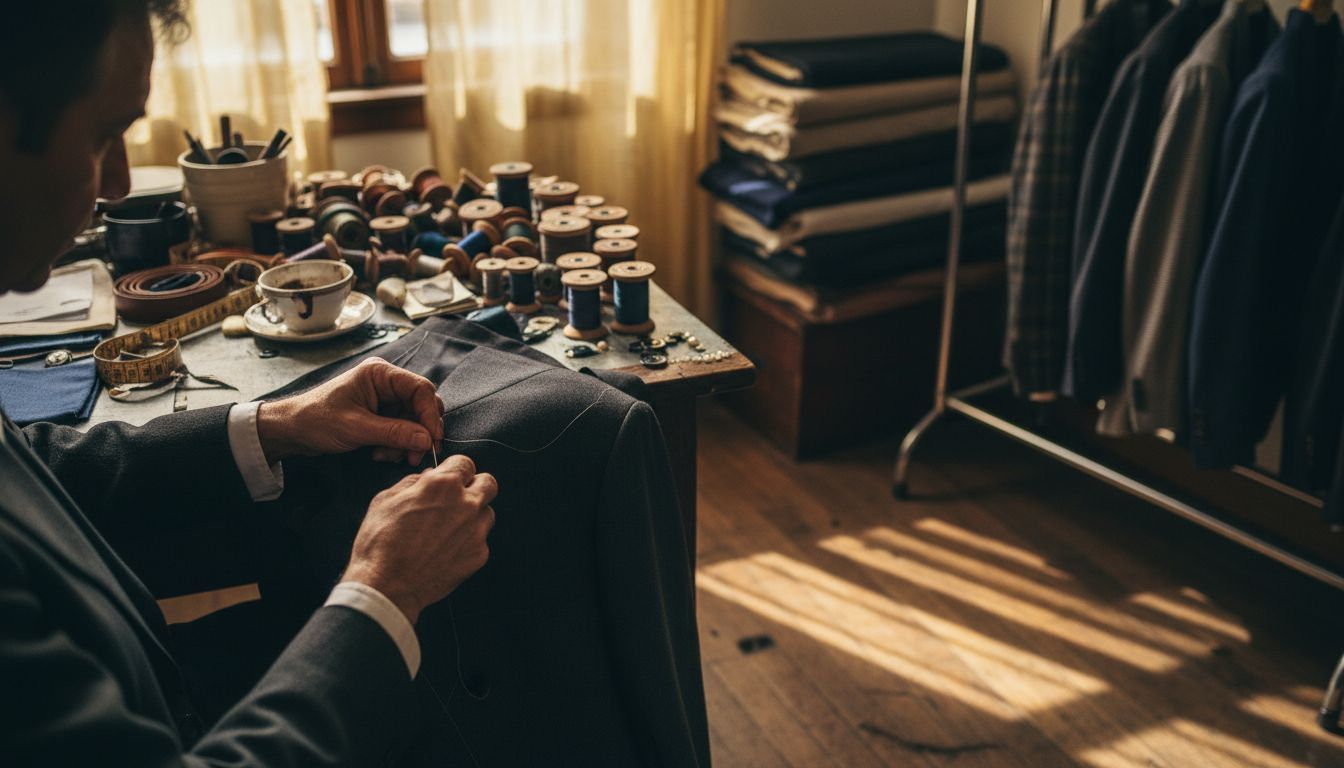
The selection process involves rigorous evaluation of textiles, understanding their unique characteristics, durability, and potential for transformative design. Artisans invest hundreds of hours studying fabric comportment, examining microscopic thread structures, and developing techniques that elevate materials from ordinary to extraordinary.
Pro tip: Examine the interior construction of luxury garments as closely as the exterior—true craftsmanship reveals itself in the smallest details.
Sustainable Practices in Slow Fashion
Slow fashion represents a profound shift in the luxury apparel industry, transforming how we conceptualize clothing production and consumption. Sustainability drives luxury fashion trends by prioritizing ethical and environmentally conscious practices.
Key sustainable practices in slow fashion include:
Resource Efficiency
Minimizing textile waste
Using recycled and renewable materials
Reducing carbon footprint in production
Ethical Production
Fair worker compensation
Safe working environments
Transparent supply chain management
Longevity Design
Creating timeless, durable garments
Encouraging repair and restoration
Designing for multiple wear cycles
Circular fashion challenges traditional linear consumption models by reimagining clothing as a renewable resource. Each garment becomes part of a holistic ecosystem where environmental impact and social responsibility are as crucial as aesthetic appeal.
The transformation goes beyond material selection—it represents a fundamental reimagining of fashion’s role in society. Luxury brands are increasingly recognizing that true exclusivity means creating products that respect both human craftsmanship and planetary boundaries, generating value through thoughtful, intentional design.
Below is a summary of key sustainable strategies shaping slow fashion:
Strategy | Main Focus | Long-Term Benefit |
Resource Efficiency | Waste reduction, eco-materials | Decreased environmental harm |
Ethical Production | Fair labor, safe conditions | Improved social welfare |
Longevity Design | Durability, reparability | Extended garment lifespan |
Pro tip: Invest in versatile, high-quality pieces that can be styled multiple ways, extending overall wardrobe variations.
The Role of Exclusivity & Personal Expression
Luxury fashion transcends mere clothing, emerging as a profound mechanism for personal storytelling and social communication. Cultural artifacts reveal complex identity dynamics through carefully curated aesthetic choices that speak volumes about individual character.
Exclusivity in luxury fashion manifests through multiple dimensions:
Personal Narrative
Reflecting individual life experiences
Communicating personal values
Creating unique visual identities
Social Signaling
Indicating cultural sophistication
Representing social status markers
Demonstrating aesthetic discernment
Emotional Connection
Expressing inner emotional landscapes
Reinforcing personal confidence
Creating psychological empowerment
Luxury apparel functions as a nuanced language of self-expression, where each carefully selected piece becomes a deliberate statement about personal philosophy, cultural understanding, and individual aesthetic sensibility. The garments are not simply worn—they are performed, interpreted, and experienced as extensions of personal identity.
Beyond superficial trends, true exclusivity emerges from the intersection of personal narrative and artistic craftsmanship. It represents a sophisticated dialogue between individual creativity and global cultural influences, where fashion becomes a deeply personal form of artistic communication.
Pro tip: Choose luxury pieces that resonate with your personal story, not just current trends, allowing your wardrobe to become a genuine reflection of your unique journey.
Common Pitfalls and Ethical Concerns
Luxury fashion confronts complex ethical challenges that extend far beyond aesthetic considerations. Sustainability efforts reveal critical industry challenges that demand rigorous accountability and transparent practices.
Key ethical challenges in luxury fashion include:
Greenwashing Risks
Superficial sustainability claims
Lack of verifiable environmental impact
Misleading marketing strategies
Labor Exploitation
Inadequate worker compensation
Poor working conditions
Limited supply chain transparency
Environmental Impact
Excessive material waste
High carbon footprint
Unsustainable resource consumption
Corporate responsibility requires more than symbolic gestures—it demands fundamental systemic transformations in how luxury brands conceptualize production, worker welfare, and environmental stewardship. Each purchasing decision becomes a critical vote for the type of industry consumers wish to support.
The most sophisticated luxury brands recognize that true exclusivity cannot exist in isolation from ethical considerations. They understand that modern consumers seek not just beautiful products, but meaningful narratives of responsible creation that align with broader social and environmental values.
Pro tip: Research brands’ actual sustainability practices beyond marketing claims, examining their comprehensive environmental and social impact reports.
Embrace Timeless Luxury with Handcrafted Elegance
The article reveals the challenge of finding luxury fashion that balances exceptional craftsmanship, timeless design, and personal expression while avoiding fleeting trends and ethical pitfalls. If you seek exquisite pieces that tell a personal story and reflect authenticity through slow fashion principles, you deserve apparel that honors heritage and enduring style. At Vivien Lauren, you will discover curated collections crafted in Italy with generations of artisanal skill, designed to empower your unique journey with elegance and quiet luxury.
Elevate your wardrobe today by exploring our exclusive selection of dresses, bags, shoes, and accessories. Experience the perfect blend of sophistication and sustainability with pieces that transcend seasons and support responsible craftsmanship. Begin your journey toward truly timeless fashion at Vivien Lauren. Unlock free UK shipping on orders over £80 and convenient interest-free installments designed for style-conscious women like you. Discover how luxury meets meaning at Vivien Lauren.

Ruffled Pink Dress with hand embroidered Italian lace on Vivien Lauren 
Layered Green Dress With Hand embroidered Italian Lace 
Soft Supple Italian Leather Bucket Bag 
Floor Length Evening Dress by Vivien Lauren 
The luxury Italian Leather Viviana Bag by Vivien Lauren 
Pom Pom Flat Mule Shoes - Sliders by Vivien Lauren
Frequently Asked Questions
What defines luxury fashion?
Luxury fashion is defined by exceptional craftsmanship, timeless design, precision of construction, and the use of high-grade materials, creating garments that emphasize quality over fleeting trends.
How can I identify handcrafted luxury apparel?
You can identify handcrafted luxury apparel by its exceptional attention to detail, unique design elements, and the use of rare materials. Categories such as haute couture, bespoke tailoring, and artisanal ready-to-wear exemplify this craftsmanship.
What are some key sustainable practices in luxury fashion?
Key sustainable practices in luxury fashion include resource efficiency (minimizing waste and using renewable materials), ethical production (fair labor practices and safe working conditions), and longevity design (creating durable, timeless garments that promote repair and restoration).
Why is ‘quiet luxury’ a trend in fashion?
‘Quiet luxury’ emphasizes understated elegance and subtle sophistication, focusing on high-quality craftsmanship and timeless designs rather than overt displays of wealth. This trend reflects a shift towards valuing authenticity and personal expression over ostentation.
Recommended
This fashion piece has been created from research by Sammy Li. Brought to you, on behalf of Vivien Lauren. Vivien Lauren. Luxury. Craftsmanship that's Proudly Italian. Vivien Lauren. Proud to Style.


