
Vintage vs. Retro Fashion – How It Shapes Luxury Style
Updated: Feb 1

Elevating your wardrobe calls for more than chasing fleeting trends. True style thrives in the details, from the authenticity of handcrafted Italian vintage garments to the allure of retro pieces inspired by past decades. For fashion-conscious European women, understanding the nuanced difference between vintage and retro fashion helps you choose pieces that embody both elegance and cultural heritage. Discover how genuine historical artistry and modern nostalgia blend to create a distinctive, sophisticated look.
Table of Contents
Key Takeaways on vintage vs. retro
Point | Details |
Understanding Vintage and Retro | Vintage fashion consists of authentic garments from specific historical periods, while retro fashion includes contemporary pieces that evoke nostalgia. |
Luxury Fashion Elements | Modern luxury increasingly blends vintage authenticity with retro aesthetics to create sophisticated styles. |
Sustainability Practices | Vintage fashion promotes sustainability by reducing waste and encouraging ethical consumption, while retro fashion also supports thoughtful purchasing. |
Smart Shopping Advice | When investing in vintage fashion, prioritize authenticity and quality through thorough research and documentation. |
Vintage and Retro Fashion Defined

Understating vintage and retro fashion requires exploring their nuanced distinctions that profoundly shape modern luxury style. These fashion categories represent more than mere clothing - they embody cultural narratives and aesthetic expressions spanning decades of design evolution.
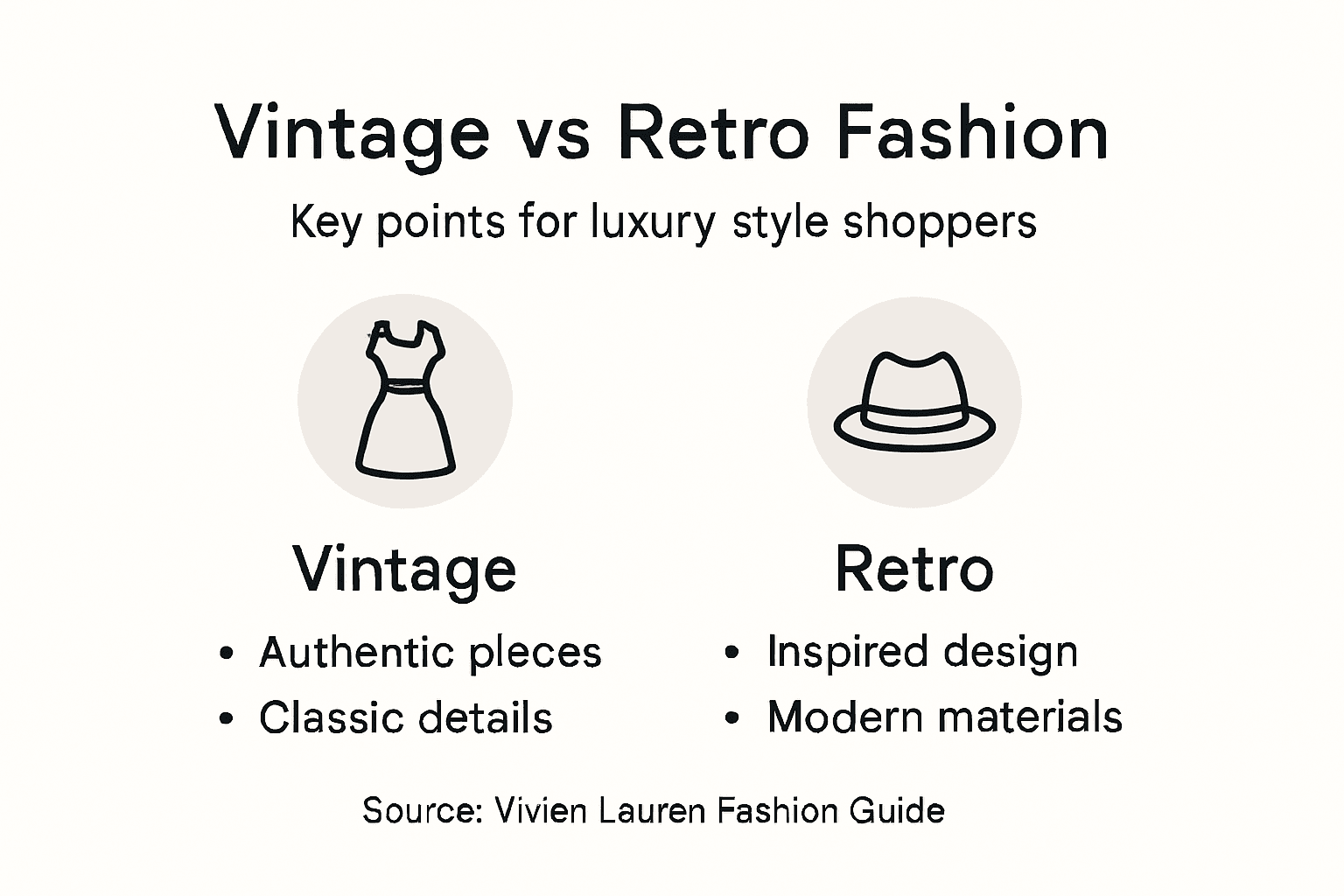
At its core, vintage fashion represents authentic garments originating from specific historical periods, typically spanning the 1920s through 1980s. These pieces are genuine artifacts of their era, carrying intrinsic historical value and craftsmanship. Key characteristics include:
Original construction techniques from specific decades
Authentic materials representative of their time
Genuine wear and potential imperfections that demonstrate age
Direct connection to cultural and social contexts of their period
Retro fashion, by contrast, involves contemporary clothing designed to evoke nostalgic aesthetics from previous eras. Retro style recreates historic design elements through modern manufacturing, presenting a reimagined interpretation rather than an original artifact. This approach allows designers to blend contemporary production methods with classic visual references.
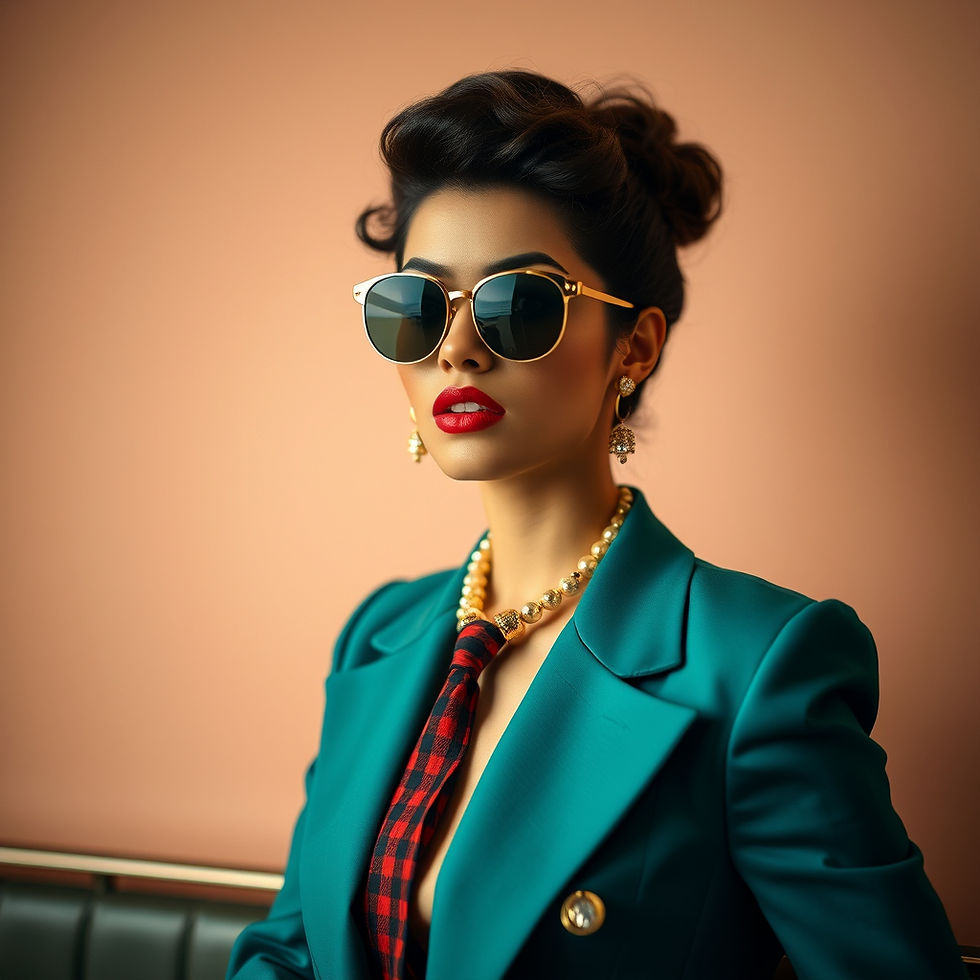
Modern luxury fashion increasingly embraces both vintage and retro elements, creating sophisticated hybrid styles that celebrate historical design while meeting contemporary aesthetic standards. Designers carefully curate these influences, transforming historical references into cutting-edge fashion statements.
Pro tip: When building a luxury wardrobe, consider mixing authentic vintage pieces with well-crafted retro-inspired designs to create a uniquely personal style narrative.
Key Differences Between Vintage and Retro
Understanding the nuanced landscape of fashion requires a deep dive into the distinctive characteristics of vintage and retro styles. While often used interchangeably, these terms represent fundamentally different approaches to historical fashion design and appreciation.
Vintage clothing embodies authentic garments with genuine historical provenance, characterized by:
Actual pieces created 20-30 years ago
Original manufacturing techniques from specific eras
Unique materials and construction methods
Potential signs of authentic wear and aging
Direct historical and cultural significance
Retro fashion, by contrast, represents modern interpretations that pay homage to past aesthetic traditions. These contemporary designs strategically mimic historical styles using current production technologies. Key differences emerge in three critical dimensions:
Authenticity: Vintage is genuine, retro is imitative
Manufacturing: Vintage uses original methods, retro uses modern techniques
Availability: Vintage is limited, retro is more accessible
Luxury fashion designers increasingly blend these approaches, creating sophisticated collections that respect historical design while meeting contemporary aesthetic standards. Retro clothing offers modern comfort while vintage pieces provide unparalleled historical authenticity.
Vintage and retro represent two distinct yet complementary approaches to celebrating fashion history through design and personal expression.
Pro tip: When curating a sophisticated wardrobe, consider integrating both vintage and retro pieces to create a multilayered, historically informed personal style narrative.
Here’s a side-by-side summary of vintage and retro fashion in luxury style:
Aspect | Vintage Fashion | Retro Fashion |
Era of Creation | Made in 1920s–1980s | Produced in present day |
Historical Value | High; due to genuine provenance | Low; inspired by past, not original |
Production Method | Traditional techniques, handcrafting | Modern manufacturing and materials |
Market Availability | Relatively rare and limited supply | Widely accessible and regularly produced |
Appeal to Collectors | Collectible, often increases in value | Stylish, rarely considered investments |
Authenticity and Quality in Luxury Pieces
In the world of high-end fashion, authenticity represents the cornerstone of luxury craftsmanship. Discerning fashion enthusiasts understand that true luxury transcends mere aesthetic appeal, diving deep into the nuanced realm of historical significance, material quality, and artisanal expertise.
Authentic luxury pieces distinguish themselves through several critical characteristics:
Exceptional handcrafted construction techniques
Premium, carefully sourced materials
Unique design elements reflecting specific historical periods
Impeccable attention to detail
Provenance and documented historical context
The pursuit of genuine luxury involves understanding the intricate narrative behind each piece. Vintage luxury items preserve superior craftsmanship that modern mass production often sacrifices. These pieces represent more than fashion - they are wearable historical artifacts that communicate cultural sophistication and personal discernment.
Quality in luxury fashion extends beyond visual aesthetics. It encompasses:
Material durability and longevity
Precision of construction
Historical accuracy
Preservation of traditional manufacturing techniques
Potential for future value appreciation
Authentic luxury pieces are investments in artistry, history, and personal expression, not merely clothing or accessories.
Pro tip: When evaluating luxury pieces, prioritize craftsmanship, material quality, and historical significance over trendy branding or temporary aesthetic appeal.
Sustainability and Cultural Impact
Vintage fashion drives sustainable consumption practices by challenging the rapid cycles of contemporary fast fashion. This movement represents more than a stylistic choice - it’s a profound statement about environmental consciousness and cultural preservation.
Sustainable fashion practices emerge through vintage and retro clothing approaches:
Reducing textile waste through garment reuse
Minimizing environmental impact of manufacturing
Extending clothing lifecycle beyond seasonal trends
Promoting ethical consumption patterns
Supporting artisanal and traditional production methods
The cultural significance of vintage fashion extends far beyond environmental considerations. Nostalgic fashion choices shape personal identity and provide a meaningful connection to historical narratives. Consumers increasingly view their clothing selections as expressions of individual philosophy rather than mere aesthetic statements.
Key cultural impacts of vintage and retro fashion include:
Challenging mass production paradigms
Celebrating individual creative expression
Preserving historical design techniques
Creating cross-generational style dialogues
Rejecting disposable consumer culture
Sustainable fashion is not just about clothing - it’s about creating meaningful connections between personal style, cultural heritage, and environmental responsibility.
Pro tip: Invest in timeless pieces that transcend seasonal trends, focusing on quality, craftsmanship, and personal significance rather than temporary fashion cycles.
The following table summarizes sustainability and cultural impacts of vintage and retro fashion:
Impact Area | Vintage Fashion Contribution | Retro Fashion Contribution |
Environmental Effect | Limits waste, extends lifespan | Reduces fast fashion demand |
Cultural Significance | Preserves history, authenticity | Sparks nostalgia, personal style |
Consumption Model | Promotes reuse, ethical buying | Encourages thoughtful purchasing |
Production Ethics | Supports artisans, tradition | Supports modern ethical designers |
Risks, Value, and How to Shop Smart
Smart vintage fashion shopping requires strategic knowledge about authenticity, value assessment, and potential investment risks. Navigating this nuanced market demands careful research and a discerning approach to distinguish genuine luxury pieces from potential counterfeits.
Critical evaluation criteria for vintage and retro fashion investments include:
Verifying original manufacturing techniques
Assessing material quality and preservation
Documenting provenance and historical context
Understanding era-specific design characteristics
Evaluating potential long-term value appreciation
Financial risks in vintage luxury fashion require comprehensive understanding. Collectors must distinguish between pieces with genuine historical significance and those with merely aesthetic appeal. Key considerations involve:
Authenticating manufacturer marks
Evaluating condition and restoration history
Understanding market demand cycles
Identifying potential investment-grade pieces
Recognizing potential value depreciation risks
Luxury vintage fashion represents an intersection of artistic appreciation, historical preservation, and potential financial investment.
Purchasing strategies for discerning collectors emphasize thorough research, expert consultation, and careful examination of potential acquisitions. Reputable dealers, detailed documentation, and professional authentication services become critical resources in making informed decisions.
Pro tip: Always request comprehensive documentation, professional authentication, and detailed condition reports before investing in high-value vintage luxury fashion pieces.
Elevate Your Luxury Style with Timeless Craftsmanship
Discover how mastering the balance between vintage authenticity and retro-inspired design can transform your wardrobe into a true expression of personal luxury. Whether you seek the rich history embedded in handcrafted garments or desire sophisticated pieces that echo classic styles with modern comfort, embracing this duality elevates your fashion narrative.
At Vivien Lauren, every item reflects exceptional craftsmanship passed down through generations in Italy. Our curated collections of elegant dresses, bags, and accessories offer the perfect fusion of timeless quality and contemporary design. Experience how authentic materials and meticulous attention to detail bring historical artistry into your daily style while promoting sustainable, slow fashion values.

Step into a world where luxury means more than trends. Explore our exclusive selection today and begin crafting your uniquely personal and sustainable wardrobe. Visit Vivien Lauren now to harness the enduring allure of vintage and retro influences in refined, elegant fashion.
Frequently Asked Questions
What is the difference between vintage and retro fashion?
Vintage fashion refers to authentic clothing items created between the 1920s and 1980s, while retro fashion consists of modern pieces designed to evoke the style of previous eras using contemporary manufacturing techniques.
How does vintage fashion impact sustainability?
Vintage fashion promotes sustainability by encouraging garment reuse, minimizing textile waste, and supporting ethical consumption practices, thereby extending the lifecycle of clothing beyond seasonal trends.
Why is authenticity important in luxury fashion?
Authenticity is crucial in luxury fashion because it signifies craftsmanship, historical value, and quality. Authentic luxury pieces often retain higher value over time, representing not just clothing, but wearable art and history.
What are some tips for evaluating vintage fashion pieces?
When evaluating vintage fashion, look for original manufacturing techniques, assess material quality, verify provenance and historical context, and consider the overall condition and any restoration that may have occurred.
Recommended

This fashion guide has been authored for you by Sammy Li, on behalf of Vivien Lauren. Vivien Lauren. Luxury. Craftsmanship that's Proudly Italian. Vivien Lauren. Proud to Style.


