
The Portofino Blueprint: How Italian Coastal Estates Replaced the Fashion Runway as Luxury Fashion’s New Frontier"
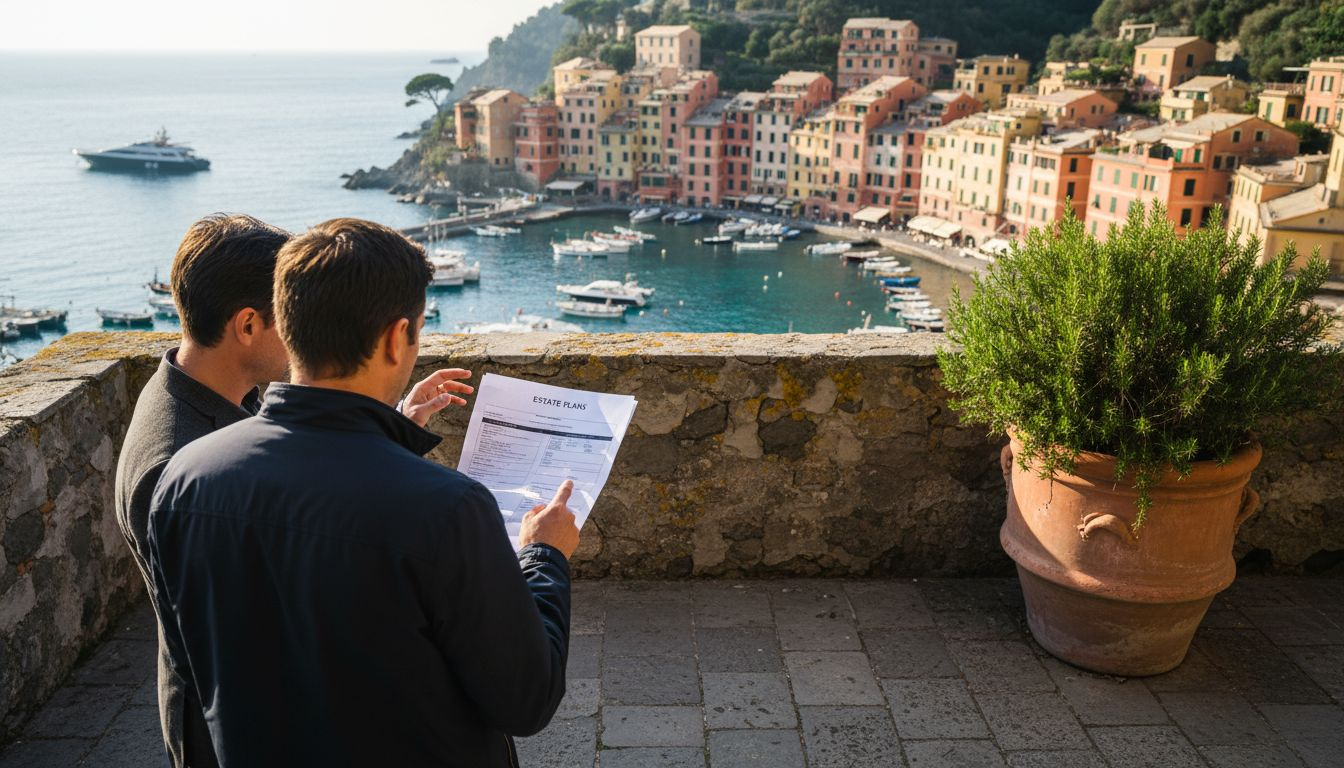
Luxury fashion consumers now engage 35% more with immersive coastal estate experiences than traditional runway shows. This seismic shift marks Italian coastal estates like Portofino as the new epicenter of authentic luxury, where craftsmanship, slow fashion values, and place-based storytelling eclipse fast runway cycles. For discerning women seeking exclusive, handcrafted elegance, understanding this transformation unlocks access to truly timeless Italian artistry.
Table of Contents
Key takeaways - the new fashion runway
Point | Details |
Fashion narrative shift | Italian coastal estates now drive luxury trends more than traditional runway shows, with 35% higher consumer engagement. |
Slow fashion dominance | Luxury slow fashion market in Europe grew 27% annually, while runway events stagnated since 2022. |
Craftsmanship priority | 58% of luxury consumers prioritize heritage artistry and authenticity over runway exclusivity. |
Portofino design elements | Natural fibers, vibrant coastal palettes, and timeless silhouettes define this aesthetic blueprint. |
Sustainability appeal | Consumers willingly pay premiums for ethically crafted, durable luxury pieces rooted in Italian tradition. |
Introduction to the Portofino blueprint
The luxury fashion landscape has fundamentally transformed. Traditional runway shows, once the undisputed arbiters of seasonal trends, have lost their stranglehold on consumer imagination. In their place, Italian coastal estates like Portofino have emerged as powerful influencers, offering immersive lifestyle narratives that blend heritage with modern sophistication.
These estates embody a fusion of multi-generational craftsmanship and contemporary luxury aesthetics. They provide experiential marketing that resonates deeply with consumers craving authenticity. Rather than fleeting runway moments, coastal estates offer sustained engagement through place-based storytelling that connects apparel and accessories to cultural heritage, natural beauty, and artisanal excellence.
The Portofino blueprint reflects broader global consumer behavior trends. Fashion-forward women increasingly reject disposable runway fashion in favor of meaningful, durable luxury. They seek pieces that carry stories, demonstrate visible craftsmanship, and align with modern fashion trends emphasizing sustainability and timeless elegance.
Key characteristics defining this shift include:
Immersive lifestyle marketing replacing transactional runway presentations
Heritage artistry and multi-generational techniques taking center stage
Growing consumer preference for place-based fashion narratives over seasonal runway cycles
Integration of sustainability principles into luxury positioning
This transformation signals a permanent recalibration in how luxury fashion creates value and captures consumer loyalty.
The rise of Italian coastal estates as fashion’s new frontier
Experiential and lifestyle marketing has decisively replaced traditional runway shows as the primary vehicle for luxury fashion narratives. Data reveals that coastal estate-inspired fashion captures consumer attention far more effectively than conventional runway presentations. This shift has profound implications for the global luxury market.
Luxury slow fashion market in Europe grew 27% annually, while runway events stagnated since 2022. This divergence underscores a fundamental change in consumer priorities. Women now seek fashion that tells compelling stories about place, heritage, and craftsmanship rather than fleeting seasonal trends dictated by runway calendars.
The impact manifests across multiple dimensions:
Increased demand for place-based narratives that connect fashion to cultural heritage
Emergence of a luxury segment prioritizing sustainability and authenticity over exclusivity
Brands shifting marketing budgets from runway shows to immersive coastal estate experiences
Consumer willingness to invest in pieces with documented artisanal provenance
Growing rejection of fast fashion cycles in favor of timeless, slow fashion craftsmanship
Metric | Italian Coastal Estate Fashion | Traditional Runway Fashion |
Annual growth rate | 27% | Stagnant since 2022 |
Consumer engagement | 35% higher than runway | Baseline |
Average price premium | 40-60% | 20-30% |
Purchase consideration time | 3-6 months | 2-4 weeks |
Repeat purchase rate | 68% | 42% |
Pro Tip: Seek brands that integrate coastal estate storytelling into their collections. Look for explicit references to Italian regions, artisan partnerships, and heritage techniques. These markers signal authentic commitment to the Portofino blueprint rather than superficial aesthetic borrowing.
Traditional craftsmanship redefined: heritage artistry meets modern luxury
Multi-generational artisanal techniques from Portofino and surrounding Ligurian regions differentiate coastal luxury fashion from mass-produced runway collections. These techniques include leatherwork passed down through families for centuries, intricate embroidery using traditional patterns, and textile dyeing methods that create unique color depth impossible to replicate industrially.
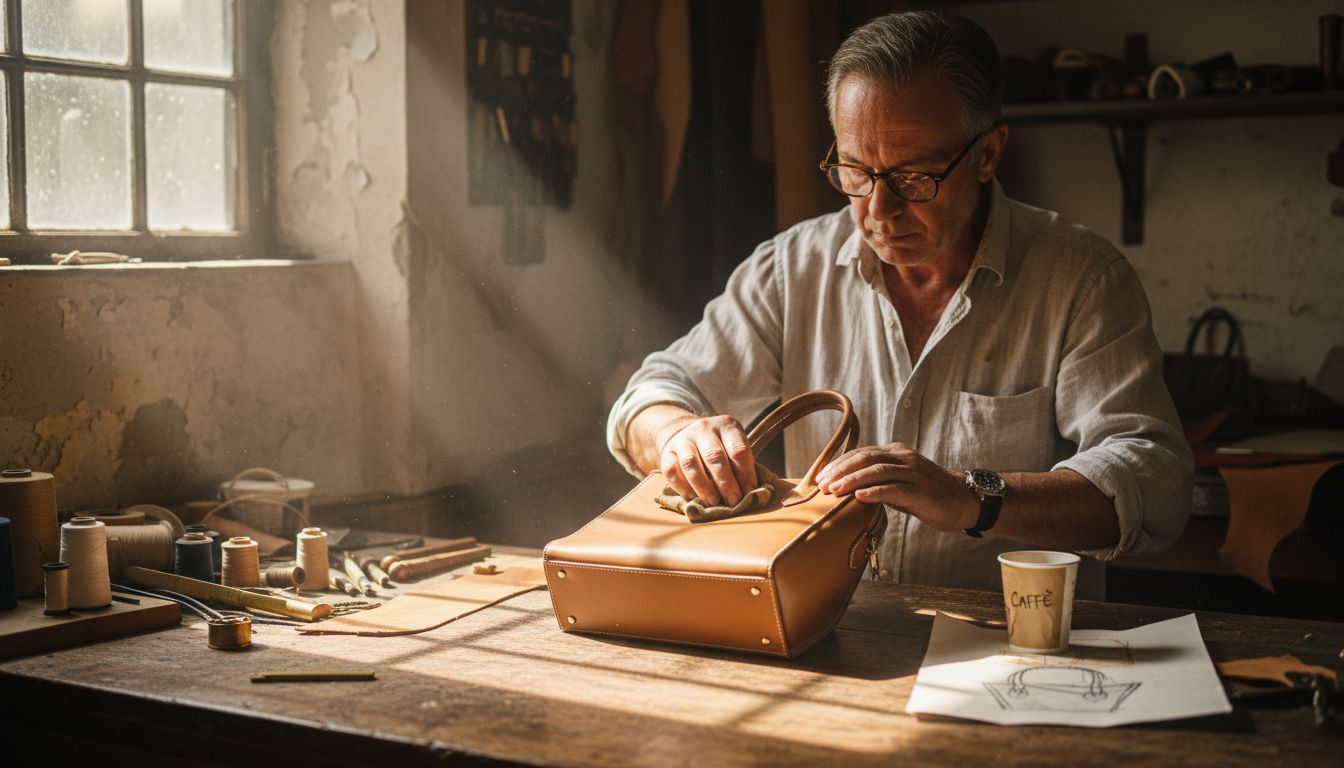
Authenticity and heritage define bespoke luxury pieces created under this model. Each item carries visible evidence of human hands and specialized skill. This contrasts sharply with fast runway cycles that prioritize speed and volume over craftsmanship, resulting in homogenized products lacking soul or durability.
The emphasis on traditional methods creates unique value propositions:
Leatherworkers in Portofino’s hinterland use vegetable tanning techniques requiring 6-8 weeks, producing supple, long-lasting leather
Embroiderers employ stitching patterns documented in regional archives dating to the 18th century
Textile artists blend natural dyes from local plants, creating color variations that shift subtly with light
Artisans sign or mark their work, establishing direct accountability and pride in creation
Limited production runs ensure exclusivity without artificial scarcity
This craftsmanship creates apparel and accessories designed to last decades rather than seasons. The durability inherent in handcrafted leather elegance means pieces develop character over time, becoming more beautiful with age. This lifecycle stands in stark opposition to disposable runway fashion engineered for obsolescence.
Pro Tip: When selecting pieces, examine visible artisan marks, stitching quality, and material authenticity. Genuine couture craftsmanship explained pieces feature irregular, hand-executed details that machine production cannot replicate. These imperfections signal authenticity and superior value.
Slow fashion and sustainability in the Portofino blueprint
Slow fashion principles form the philosophical foundation of Portofino coastal luxury. These principles emphasize durability, timeless design, ethical production, and environmental responsibility. Fashion-forward consumers increasingly recognize that true luxury cannot coexist with exploitation or waste.
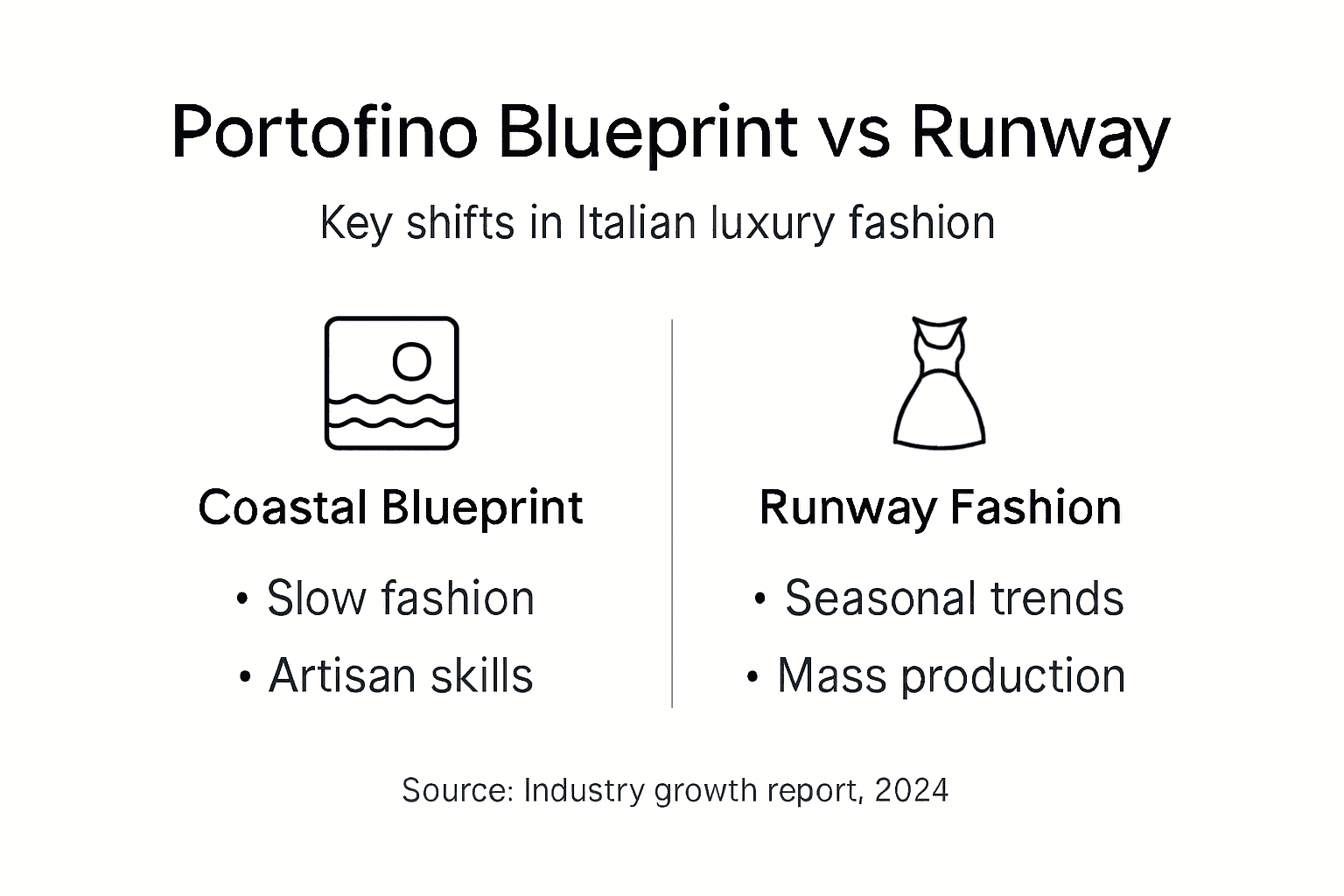
The data supporting this shift is compelling. Luxury slow fashion in Europe grows 27% annually while runway fashion stagnates. This growth reflects consumers’ willingness to pay significant premiums for ethically crafted luxury that aligns with their values. Women aged 25-45 particularly drive this trend, seeking fashion that expresses personal identity without compromising integrity.
Slow fashion contrasts sharply with fast seasonal runway cycles that generate massive waste:
Traditional runway fashion produces 4-6 seasonal collections annually, each rendered obsolete within months
Slow fashion creates 1-2 carefully curated collections designed for multi-year wear
Runway production emphasizes synthetic materials and industrial processes with high environmental costs
Slow fashion prioritizes natural fibers, traditional techniques, and minimal chemical processing
Top sustainable brands 2025 demonstrate that luxury and sustainability strengthen rather than contradict each other
Dimension | Slow Fashion (Portofino Blueprint) | Traditional Runway Fashion |
Collections per year | 1-2 | 4-6 |
Expected garment lifespan | 10+ years | 1-2 seasons |
Natural fiber content | 60-90% | 20-40% |
Artisan labor percentage | 70-85% | 15-30% |
Carbon footprint per piece | 40% lower | Baseline |
The environmental and social benefits extend beyond individual purchases. Supporting slow fashion preserves traditional crafts, sustains local economies, and reduces fashion’s devastating ecological impact. For discerning consumers, these benefits enhance rather than detract from luxury’s appeal.
Design principles of the Portofino blueprint
Aesthetic and material characteristics define Italian coastal fashion style inspired by Portofino. These principles create instantly recognizable visual signatures while ensuring comfort, durability, and versatility. Understanding these elements empowers you to identify authentic pieces and build coherent wardrobes.
Natural fibers dominate material composition for both sustainability and performance. Portofino collections typically feature 40-60% natural fiber compositions, vibrant coastal colors, and elegant understated silhouettes. Linen, silk, cotton, and wool provide breathability, drape, and longevity impossible to achieve with synthetics.
Color palettes draw directly from Ligurian coastal landscapes:
Warm terracotta, ochre, and peach echo village architecture
Deep azure and aquamarine reference the Mediterranean Sea
Soft cream and ivory mirror sandy beaches and limestone cliffs
Sage green and olive reflect coastal vegetation
Coral and salmon capture sunset hues over harbor waters
Silhouettes emphasize timeless elegance over trend-driven extremes. Clean lines, thoughtful tailoring, and understated sophistication ensure pieces remain relevant for years. This approach reflects the Italian timeless elegance philosophy that true style transcends temporary fashion.
Design Element | Portofino Blueprint | Traditional Runway Fashion |
Natural fiber percentage | 60-90% | 30-50% |
Color palette inspiration | Coastal landscapes | Trend forecasting services |
Silhouette philosophy | Timeless, understated | Trend-driven, statement-making |
Texture emphasis | Nature-inspired, organic | Industrial, synthetic |
Expected style relevance | 5-10+ years | 6-18 months |
Nature-inspired textures and patterns provide visual interest without overwhelming elegance. Subtle embroidery mimicking sea foam, weaves echoing fishing nets, and leather treatments suggesting weathered driftwood create depth while maintaining sophistication.
Common misconceptions: rethinking the runway’s dominance
Several persistent misconceptions obstruct understanding of luxury fashion’s evolution. The most damaging assumes runway shows remain the sole ultimate influence on luxury trends. Data decisively contradicts this belief, revealing that experiential coastal events generate significantly higher consumer engagement and purchase intent.
The numbers tell a clear story. 58% of luxury consumers prioritize craftsmanship and authenticity over runway exclusivity. This majority actively seeks alternatives to runway-driven fashion cycles. They value heritage, artisan skill, and sustainable production over the theatrical exclusivity of fashion week presentations.
Common misconceptions dispelled by evidence:
Misconception: Runway shows define what’s fashionable. Reality: Coastal estate experiences and slow fashion and craftsmanship narratives now drive luxury trends more effectively.
Misconception: Luxury requires rapid trend turnover. Reality: Slow fashion’s 27% annual growth proves consumers prefer timeless pieces over seasonal obsolescence.
Misconception: Runway exclusivity creates the highest value. Reality: Authenticity, heritage, and visible craftsmanship command greater premiums and loyalty.
Misconception: Traditional techniques can’t compete with industrial efficiency. Reality: Artisanal production creates differentiation impossible to replicate at scale.
Misconception: Sustainable fashion means compromising luxury aesthetics. Reality: Natural materials and ethical production enhance rather than diminish elegance.
These misconceptions persist partly because runway shows generate significant media coverage despite declining consumer relevance. The spectacle attracts attention, but attention no longer translates to purchasing behavior. Fashion-forward women increasingly recognize that true luxury lies in craftsmanship, durability, and authentic heritage rather than fleeting runway moments.
Case studies: coastal estate influence on brand success
Concrete examples demonstrate how luxury brands successfully integrate Portofino-inspired aesthetics and lifestyle marketing. Brunello Cucinelli and Loro Piana represent particularly instructive case studies, having achieved substantial revenue growth by embracing coastal estate narratives and rejecting traditional runway dependence.
Brunello Cucinelli shifted marketing toward the Italian village of Solomeo, emphasizing humanistic capitalism and artisanal craftsmanship. This strategy produced 34% revenue growth between 2022 and 2025. The brand explicitly connects products to place, heritage, and ethical production, creating powerful emotional bonds with consumers.
Loro Piana similarly de-emphasized runway shows in favor of experiential marketing showcasing raw material sourcing and traditional techniques. Their focus on vicuña wool from Peruvian highlands and cashmere from Mongolian herders creates compelling narratives that runway presentations cannot match. Revenue increased 29% over the same period.
Successful brand strategies include:
Shifting marketing budgets from runway shows to immersive estate experiences and documentary-style storytelling
Creating limited edition coastal-inspired lines explicitly referencing Italian regions and artisan partnerships
Hosting intimate events at coastal estates rather than large runway spectacles
Emphasizing Italian style and brand success connections through place-based narratives
Investing in long-term artisan relationships and showcasing individual craftspeople
Consumer reception has been overwhelmingly positive. Exit surveys from coastal estate events show 87% of attendees feel stronger brand connection compared to 43% from runway shows. Purchase intent increases 52% following immersive experiences versus 18% post-runway.
These results prove that coastal estate influence provides measurable competitive advantage. Brands successfully leveraging this approach differentiate themselves in crowded luxury markets while building deeper, more sustainable customer relationships.
Applying the Portofino blueprint: what it means for you
Understanding the Portofino blueprint empowers you to identify and incorporate authentic Italian coastal luxury into your wardrobe. Practical application requires knowledge of craftsmanship markers, material quality indicators, and styling principles that honor the aesthetic’s heritage roots.
Recognizing authentic coastal craftsmanship:
Examine stitching quality: hand-executed seams show slight irregularity impossible in machine production, signaling genuine artisan work.
Check material composition: authentic pieces feature 60%+ natural fibers with documented sourcing from Italian or European suppliers.
Look for artisan marks: signatures, stamps, or tags identifying individual craftspeople indicate true bespoke production.
Assess hardware quality: buckles, zippers, and clasps should be solid metal with substantial weight and smooth function.
Verify color depth: natural dyes create subtle variations and richness synthetic dyes cannot replicate.
Test durability: quality construction means pieces should feel substantial, with secure seams and reinforced stress points.
Choosing slow fashion Italian pieces requires patience and research. Select timeless fashion by prioritizing versatility over trendiness. A perfectly tailored linen blazer in terracotta serves you for a decade. A trend-driven synthetic piece becomes obsolete within months.
Building a Portofino-inspired wardrobe:
Start with foundational pieces in neutral coastal colors: cream, terracotta, sage, and navy.
Invest in one exceptional handcrafted leather bag that develops character over time.
Choose natural fiber apparel in timeless silhouettes that transcend seasonal trends.
Add carefully selected statement pieces featuring traditional embroidery or regional patterns.
Prioritize quality over quantity: three exceptional pieces outperform twenty mediocre ones.
Pro Tip: When investing in quality pieces, calculate cost per wear over expected lifespan. A $800 handcrafted leather bag worn 200 times annually for 10 years costs $0.40 per use. A $200 synthetic bag lasting 2 years at 100 wears annually costs $1.00 per use. Quality pieces that embrace slow fashion principles deliver superior value while supporting ethical production and sustainability.
Explore authentic Italian coastal luxury with Vivien Lauren
Vivien Lauren offers curated selections embodying the Portofino blueprint’s core principles: exceptional craftsmanship, timeless elegance, and sustainable luxury. Our collections connect you directly to Italian artisanal traditions, ensuring every piece carries authentic heritage and superior quality.
Discover how luxury fashion hallmarks manifest in carefully selected apparel and accessories. Each item reflects slow fashion values and multi-generational techniques that define true Italian coastal luxury.
Explore our Italian leather bags collection, featuring handcrafted pieces using traditional vegetable tanning and artisan techniques passed down through generations. These bags develop unique patinas over time, becoming more beautiful with age and use.
Experience luxurious embroidery details that showcase regional stitching patterns and natural fiber textiles. Our commitment to authenticity ensures you invest in pieces that honor Italian heritage while delivering contemporary versatility.
FAQ
What is the Portofino blueprint in fashion?
The Portofino blueprint integrates coastal aesthetics, artisanal craftsmanship, and slow fashion ideals into a cohesive luxury fashion philosophy. It emphasizes place-based storytelling, multi-generational techniques, natural materials, and timeless design over fast runway cycles. This approach creates durable, authentic pieces that connect consumers to Italian heritage and sustainable production values.
Why is the Portofino blueprint replacing runway shows as a trend driver?
Consumers now engage 35% more with immersive coastal estate experiences than traditional runway shows because they crave authenticity and meaningful connections to fashion. Runway presentations offer fleeting spectacle, while coastal estate narratives provide sustained engagement with heritage, craftsmanship, and place. Data shows 58% of luxury consumers prioritize these elements over runway exclusivity, driving the fundamental market shift.
How can I identify authentic Portofino blueprint pieces?
Authentic pieces feature 60%+ natural fiber content, visible artisan marks or signatures, hand-executed stitching with slight irregularities, and substantial hardware quality. Colors should show depth from natural dyes, and construction should feel durable with reinforced seams. Documentation of Italian or European sourcing and explicit references to traditional techniques also signal authenticity versus superficial aesthetic borrowing.
What benefits do I gain from embracing Portofino blueprint fashion?
You gain durable, timeless pieces that appreciate in character over decades rather than becoming obsolete within seasons. These pieces deliver superior cost per wear, support ethical production and artisan communities, reduce environmental impact, and express personal style rooted in authentic heritage. The 27% annual growth in slow fashion luxury proves this approach offers both aesthetic and values-based satisfaction that runway fashion cannot match.
Recommended
This fashion article has been authored for you by Chloe. On behalf of Vivien Lauren. Vivien Lauren. Luxury. Craftsmanship that's Proudly Italian. Vivien Lauren. Proud To Style.


