
South Korea’s Elegant Fashion: Luxe, Heritage, Beauty
Updated: Jan 28
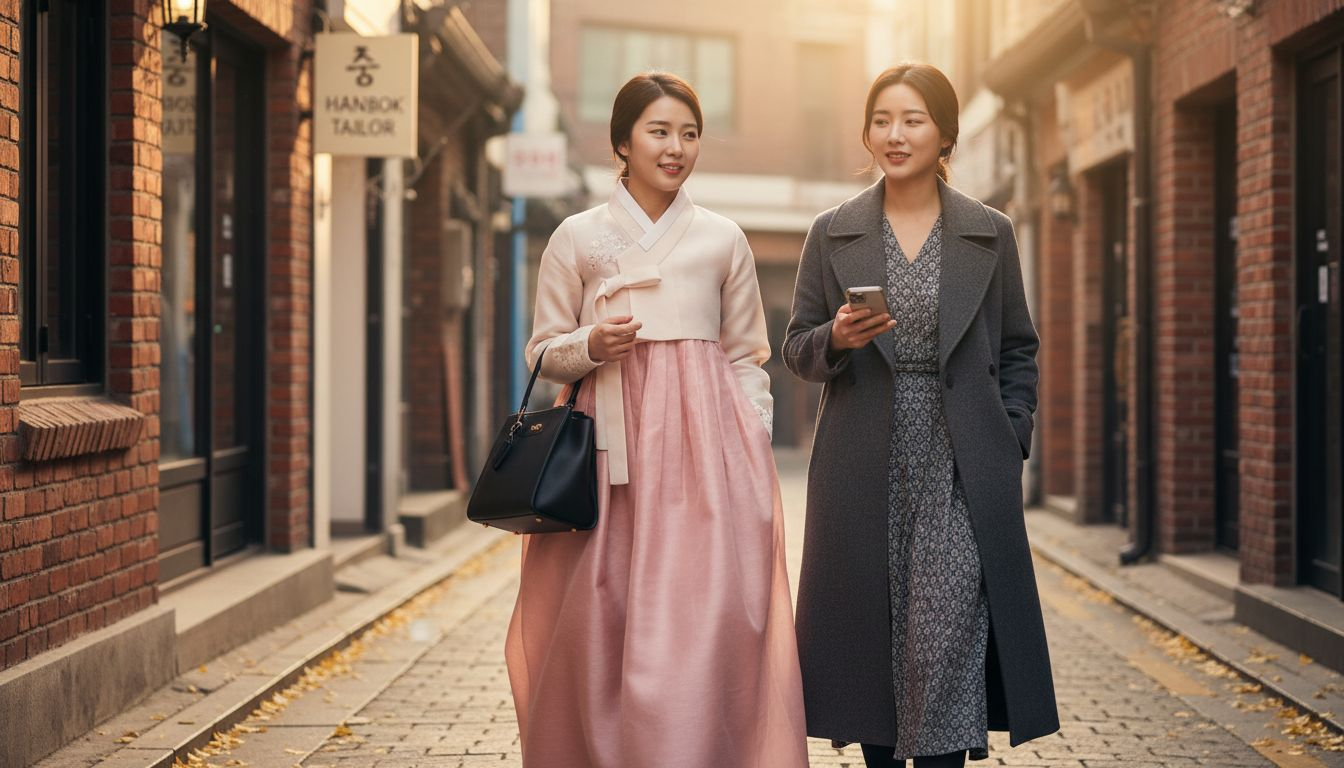
Choosing truly elegant pieces goes far beyond shopping the latest Milan runway collections. For British women who appreciate the thoughtful details of handcrafted Italian fashion, discovering the subtle sophistication in South Korean design offers fresh inspiration for refined wardrobes. By exploring how timeless elegance is shaped by cultural heritage and modern philosophy, you will see why South Korean designers stand apart from predictable European luxury and how their approach to minimalism and symbolism resonates with those seeking sustainable style.
Table of Contents
Key Takeaways
Point | Details |
Emphasis on Heritage and Modernity | South Korean fashion elegantly merges traditional aesthetics with contemporary design, creating a unique style that honors cultural roots while embracing modernity. |
Skincare as an Integral Component | Porcelain skin is culturally significant in South Korea, emphasizing that true elegance encompasses skincare alongside fashion. |
Philosophy of Restraint | Korean elegance focuses on minimalism and intelligent design choices, prioritizing clean lines and subtlety over excessive ornamentation. |
Cultural Confidence in Consumption | South Korean women are discerning luxury consumers, valuing high-quality pieces that reflect both personal taste and cultural identity. |
Defining Elegance in South Korean Fashion

Elegance in South Korean fashion represents something far more intricate than simply wearing expensive clothing or following seasonal trends. It’s a sophisticated fusion of cultural heritage, contemporary vision, and philosophical depth that has quietly transformed how women around the world think about timeless style. South Korean designers have mastered the art of blending ancient Korean aesthetics with modern minimalism, creating a distinctive elegance that feels both intellectually refined and effortlessly wearable. This is not borrowed from European couture, nor is it entirely rooted in tradition. Instead, South Korean elegance emerges from four key traditional Korean aesthetic characteristics: pure formality, naturalistic simplicity, symbolic decoration, and playful spontaneity. These foundational elements combine traditional Korean philosophy with modern design, allowing contemporary designers to create garments that honor the past while speaking fluently to present-day sensibilities.
The elegance you find in South Korean fashion is distinctly different from what you might encounter in Italian ateliers or French maisons. While a Milanese craftsman might focus on perfecting a single silhouette over decades, South Korean designers approach elegance as a living, breathing practice that continuously evolves. This dynamism comes from Korea’s complex history as a nation that has absorbed global influences while fiercely protecting its cultural identity. K-Fashion embodies dynamic and diverse elements with an evolving definition that reflects both heritage and global trends, creating a double-sided ambiguity that makes South Korean fashion feel simultaneously timeless and utterly contemporary. Designers like Lie Sang Bong, known for her architectural silhouettes and use of negative space, represent this evolution beautifully. Her work demonstrates how elegance can emerge not from decoration, but from the intelligent removal of excess, a principle that traces back centuries in Korean design philosophy.
What sets South Korean elegance apart from purely Western luxury is its emphasis on porcelain skin as part of the complete elegant aesthetic. South Korea’s famed beauty industry, producing world-renowned skin care products like COSRX, Purito, and Aesop inspired formulations, recognizes that true elegance extends beyond fabric and fit into the presentation of your skin itself. The philosophy here is revealing: a beautifully cut dress deserves flawless skin as its canvas. Brands like COSRX (with their Advanced Snail Mucin Power Essence) and Purito (known for their Deep Sea Pure Water Cream) have become trusted by fashion-conscious women globally because they deliver the porcelain skin quality that complements the refined silhouettes emerging from Seoul’s design studios. This integration of skincare into the larger narrative of elegance is distinctly Korean and reflects the cultural belief that beauty comes from treating yourself as a complete project, not collecting disconnected luxury items. The rise in demand for European luxury fashion goods and handcrafted Italian leather handbags among South Korean women shows they understand European craftsmanship, yet they’re creating their own alternative: meticulous attention to detail combined with innovative technology and cultural philosophy that Western houses cannot replicate. When you pair a piece from an emerging South Korean designer with COSRX skincare and an expertly chosen Italian leather bag, you’re creating something entirely new: a personal elegance that borrows from multiple traditions while serving your own vision.
Historically, Korean elegance was inseparable from Confucian principles and royal court aesthetics. Women of the Joseon dynasty expressed status and virtue through restrained color palettes, carefully constructed layers that hinted at the body without exposing it, and jewelry that suggested wealth through subtlety rather than spectacle. This historical foundation explains why modern South Korean fashion, even at its most experimental, retains a certain refinement and decorum. Today’s South Korean designers carry forward this legacy through their choices: the preference for clean lines over busy ornamentation, the strategic use of white and black alongside jewel tones, the belief that a garment should enhance your natural grace rather than compete with it. Unlike some contemporary fashion movements that celebrate excess, South Korean elegance asks a fundamental question: what is the absolute minimum I need to communicate my beauty and intelligence? This restraint, paradoxically, creates maximum impact.
Here’s a comparison of how traditional Korean aesthetics differ from European approaches to elegance:
Characteristic | Korean Fashion Approach | European Fashion Approach |
Use of Ornamentation | Minimalist and restrained | Frequent decorative details |
Aesthetic Philosophy | Harmony, subtle symbolism | Individualism, visible distinction |
Cultural Inspiration | Historical motifs and nature | Artistic movements, heritage houses |
Skin as Component | Central to overall elegance | Often secondary to clothing |
Pro tip: When building an elegant wardrobe inspired by South Korean fashion, prioritize one exceptional piece at a time and invest in a consistent skincare routine that gives you the confidence to wear minimal makeup; South Korean designers create clothes meant to complement a polished complexion, not distract from skin concerns.
Historic Roots of Korean Elegant Style
Korean elegance didn’t emerge from a single moment or designer’s vision. It grew slowly, almost invisibly, from centuries of philosophical thought, artistic practice, and a deep reverence for the natural world. To understand why South Korean fashion carries such distinctive grace today, you need to trace the thread backward through time to the Joseon dynasty, when Korean aesthetics were formalized into principles that still guide designers’ hands. The foundation of Korean elegant style rests on historical traditions shaping Korean aesthetics that valued the integration of nature and simplicity as central to all artistic expression. This wasn’t minimalism as we understand it in contemporary design. Rather, it was a philosophical stance: the belief that removing what is unnecessary reveals what is true. A single brushstroke on white paper could convey more meaning than an entire painted canvas. A simple linen garment with perfect proportions communicated more status and refinement than silk heavy with embroidery. This principle shaped everything from architecture to ceramics to the way women dressed.
The Joseon period (1392-1910) crystallized Korean aesthetics in ways that remain visible in fashion today. Confucian values emphasized virtue, restraint, and harmony with nature, and these philosophical ideals translated directly into visual form. Women’s hanbok, the traditional Korean dress, embodied elegance through its structural precision and careful balance of covered and revealed proportions. The high waistline, the gentle A-line silhouette of the skirt, the way the jacket (jeogori) curved just below the bust created a silhouette that was distinctly feminine without being provocative. The color palette was intentional: indigo, deep burgundy, soft whites, and earth tones derived from natural dyes. Gold and silver accents appeared in jewelry and embroidered details, but never overwhelmed the overall composition. This restraint created impact through subtlety, a lesson that modern South Korean designers have absorbed completely. When you look at contemporary pieces from designers like Lee Young-hee or Park Chun-hee, you see direct lineage to this historical approach: clean lines, considered color choices, silhouettes that enhance rather than exaggerate the body.
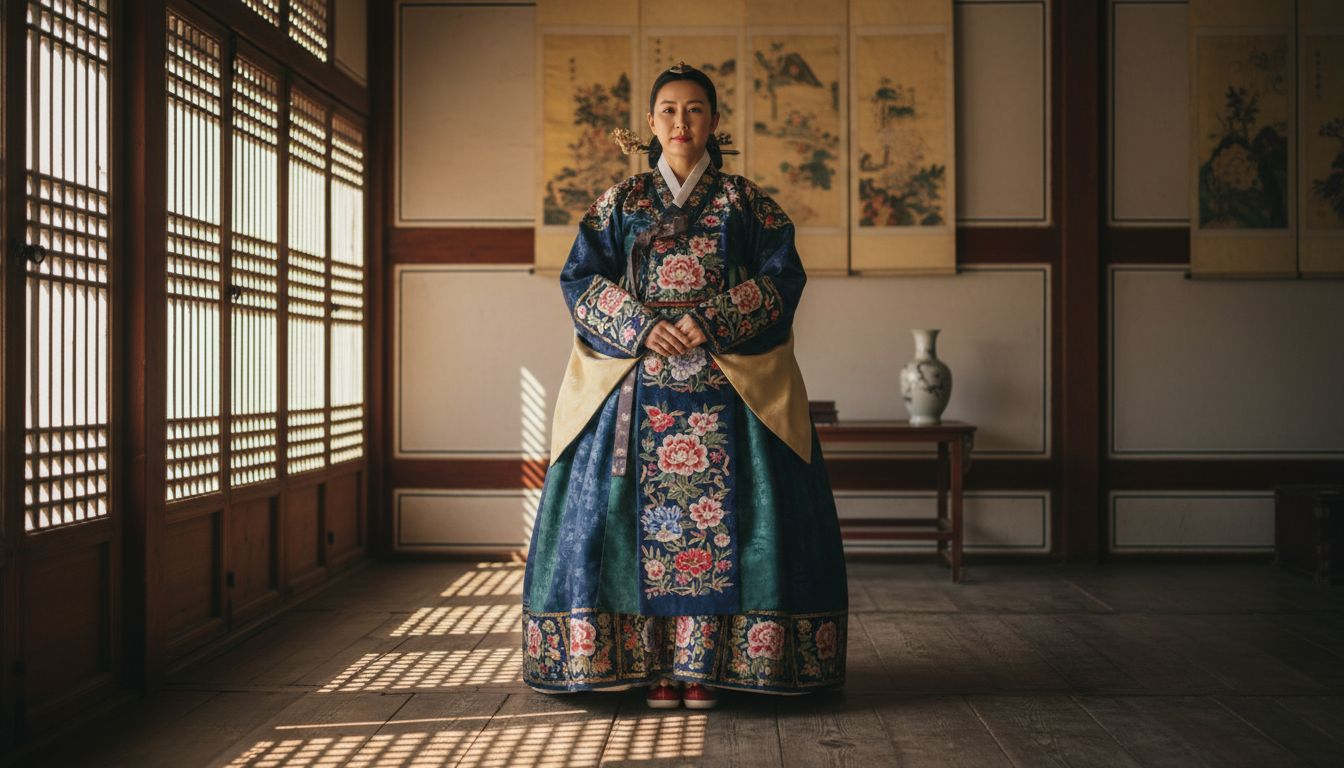
What made Korean aesthetics truly distinctive was its relationship with nature and symbolism. Traditional Korean patterns found in textiles, ceramics, and crafts carry profound symbolic and aesthetic qualities that have influenced contemporary fashion design. The plum blossom pattern represented resilience and beauty during hardship. Crane motifs symbolized longevity and grace. Geometric patterns derived from traditional architecture and natural formations created visual interest without ornamentation. These weren’t mere decoration. Each pattern told a story, carried meaning, and connected the wearer to larger cultural values. Contemporary South Korean fashion designers frequently reference these traditional patterns and symbolism, whether directly (incorporating actual patterns into modern cuts) or conceptually (using the same philosophy of meaningful design choices). The Joseon legacy taught designers that every element must earn its place, that beauty emerges from purposeful selection rather than accumulation, and that clothing should connect the wearer to something larger than herself.
The closing of Korea’s borders during much of the Joseon period paradoxically strengthened this aesthetic identity. Without constant external influence, Korean designers and artisans developed a coherent visual language that felt authentically theirs. When Korea finally opened to the world in the late 19th and early 20th centuries, and especially after the industrialization and modernization that followed the Korean War, designers faced a choice: abandon traditional aesthetics for Western fashion, or find ways to synthesize both. The most elegant South Korean fashion today represents this synthesis perfectly. A dress might use the clean proportions and color restraint of traditional hanbok but be constructed in Italian silk with contemporary tailoring. A handbag might employ modern minimalist design but incorporate symbolic patterns. This approach respects heritage while refusing to be trapped by it. It’s why South Korean elegance feels both timeless and startlingly current, rooted in philosophy yet entirely of this moment.
Pro tip: When selecting pieces inspired by Korean elegant traditions, look for garments featuring clean silhouettes, thoughtful color palettes, and minimal ornamentation, and pay attention to how the garment sits on your body rather than how it’s decorated, since Korean design philosophy prioritizes proportion over embellishment.
Leading South Korean Designers and Brands
South Korea’s fashion landscape has transformed dramatically over the past two decades, moving from being known as a manufacturing hub for international brands to cultivating a roster of distinctive designers whose work commands attention on global runways. This shift didn’t happen by accident. It emerged from a combination of cultural confidence, investment in design education, and crucially, the rise of the Korean Wave in global media. The designers and brands leading this movement share a common thread: they understand how to blend South Korean aesthetic traditions with contemporary sophistication, creating pieces that feel both rooted and revolutionary. Successful South Korean emerging designer brands such as Instant Funk, Matin Kim, Ader Error, and Mardi Mercredi have shaped the luxury and elegant fashion landscape through distinct retail strategies, compelling brand identity, and storytelling that resonates with younger consumers globally. These emerging brands represent something crucial: proof that South Korean fashion isn’t dominated by a single vision or aesthetic, but rather a collection of distinct voices, each bringing their own interpretation of elegance to the market.
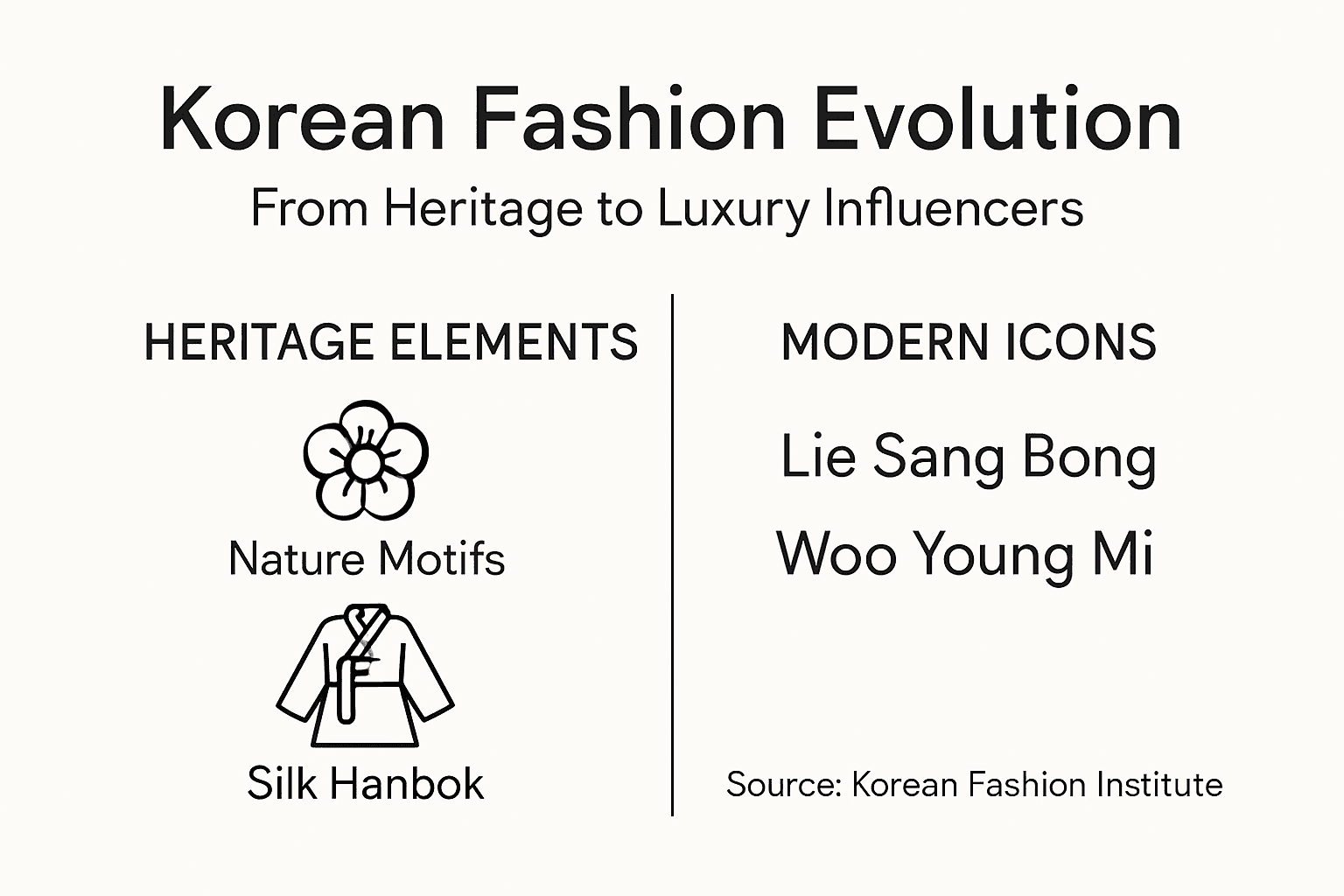
When you look at established luxury designers like Lie Sang Bong and Woo Young Mi, you encounter fashion that represents the highest level of technical mastery combined with artistic vision. Lie Sang Bong’s work is instantly recognizable for its architectural precision, dramatic use of negative space, and silhouettes that seem to defy gravity while remaining utterly wearable. Her pieces appear in museum collections and on the bodies of discerning women who understand that true luxury means garments that improve with age and wear. Woo Young Mi brings a different energy: her designs are sensual and sophisticated, often featuring unexpected color combinations and luxurious fabrications that feel like wearing art. HANKIM represents another approach entirely, focusing on contemporary tailoring and bold proportions that challenge conventional ideas about how a woman’s body should be dressed. What ties these disparate designers together is a commitment to the co-rise of the Korean Wave and South Korean brands, demonstrating how national identity and media influence have propelled these designers into the luxury fashion spotlight. South Korea’s global cultural influence, from cinema to music to television, has created an appetite for South Korean design that extends far beyond Seoul.
Beyond the names that have achieved international recognition, there’s an entire ecosystem of South Korean designers creating exquisite pieces for women who value understated luxury and impeccable execution. Miguelina offers modern elegance through minimalist design and exceptional craftsmanship. Jus" d"Ur creates pieces that feel deeply personal and considered, with attention to proportion and fit that reflects the Korean design philosophy of enhancement rather than transformation. Angus Chiang designs for women who understand that sophistication means restraint. What distinguishes these brands from their European counterparts isn’t that they work harder or care more (Italian artisans are legendary for their dedication), but rather that they approach elegance from a different philosophical perspective. Where Italian luxury often celebrates the material itself—the weight of silk, the patina of leather, the prestige of provenance—South Korean designers often celebrate the relationship between garment and wearer, the way a piece complements and enhances rather than dominates. This distinction matters enormously when you’re building a wardrobe intentionally. South Korean designers understand that role of design in fashion extends beyond aesthetics into functionality and personal expression, creating garments that work beautifully in real life, not just on fashion show runways.
The younger generation of South Korean designers brings fresh energy while respecting the foundational principles of Korean elegance. Brands focusing on sustainable practices, innovative fabric technologies, and inclusive sizing are redefining what luxury means for contemporary women. These designers recognize that women today want clothing that aligns with their values, that doesn’t sacrifice elegance for ethics. They’re creating pieces that work equally well for a boardroom meeting as for an evening out, understanding that modern elegance isn’t about separating day wear from evening wear but about crafting a coherent aesthetic that flows through your entire life. The beauty of discovering South Korean designers is that you gain access to fresh perspectives unconstrained by the weight of century-old house codes. These designers are writing their own rules while honoring their cultural heritage, creating something genuinely new.
Pro tip: When exploring South Korean designer pieces, start with one designer whose aesthetic genuinely resonates with you rather than collecting pieces from multiple brands, allowing you to develop a cohesive style and understand how each piece works within a larger vision of elegance.
European Luxury and Italian Handbag Demand

There’s a fascinating phenomenon happening in South Korea’s luxury fashion market, one that speaks volumes about global taste and the enduring appeal of European craftsmanship. South Korean women have become some of the world’s most discerning luxury consumers, and their appetite for Italian handbags in particular has created a booming market that rivals demand from traditional European strongholds. This isn’t coincidental. It reflects a sophisticated understanding that certain things are worth investing in, that heritage matters, and that a well-made Italian leather bag represents a different kind of luxury than a trendy piece you’ll discard next season. South Korea is among the leading markets for luxury goods in Asia-Pacific, with growing demand driven by affluent consumers, especially millennials seeking European luxury brands. Italian handbags contribute significantly to luxury retail sales within the country, revealing something important about South Korean fashion consciousness: women there understand that true elegance requires investment pieces that transcend trends. They view European craftsmanship not as competition to South Korean designers, but as a complementary element in a complete aesthetic approach.
What’s driving this demand goes deeper than status seeking. South Korean consumers, particularly younger affluent women, recognize that a handcrafted Italian leather handbag serves multiple purposes simultaneously. It’s a functional object you carry daily. It’s a statement about your taste and values. It’s an investment that holds value over time. It’s a connection to centuries of artisanal tradition. Unlike fast fashion pieces that deteriorate after a season, an Italian leather bag from a reputable maker improves with age. The patina that develops, the way the leather softens and molds to your life, creates a relationship between you and the object that feels genuinely meaningful. This philosophical alignment with South Korean design principles, where quality and longevity matter more than novelty, explains the powerful intersection between Korean and Italian luxury. When you’re building an elegant wardrobe in the South Korean aesthetic tradition, a handcrafted Italian leather handbag becomes essential, not as an afterthought but as a foundational piece that anchors your entire approach to personal style.
South Korea ranks as the world’s highest per capita spender on luxury goods, including Italian handbags from prestigious brands like Prada and Gucci. This demand is fueled by rising purchasing power and a social culture that views luxury consumption as a marker of refined taste and success. What’s particularly striking is how embedded European luxury has become in South Korea’s fashion identity. Walk into a Seoul boutique and you’ll find that European brands sit comfortably alongside South Korean designers, not in competition but in conversation. A woman might wear a piece from Lie Sang Bong paired with a Prada bag and COSRX skincare, seeing no contradiction in this combination. Instead, she understands that each element contributes to a larger vision of personal elegance. This represents something genuinely new in global fashion: the recognition that luxury and elegance don’t belong exclusively to any single nation or tradition, but rather emerge from thoughtful curation across multiple sources. Italian makers have long understood heritage and craftsmanship. South Korean designers have mastered the philosophy of restraint and proportion. Why not combine both?
The demand for Italian handbags in South Korea also reflects something about how the country’s women approach fashion psychology. An investment piece like a quality leather bag isn’t about following trends. It’s about establishing a foundation from which you can experiment with other elements. Once you own a beautiful, versatile Italian leather bag in a neutral tone, you’ve freed yourself from constantly shopping for basics. You can take risks with color and silhouette elsewhere, knowing your handbag will anchor any outfit. This approach aligns perfectly with South Korean minimalism and the broader philosophy that elegance comes from thoughtful choices rather than accumulation. Young South Korean women often research Italian leather goods extensively before purchasing, reading reviews, understanding construction methods, learning about different makers and their histories. They approach these purchases with the same seriousness that fashion editors or stylists would, treating each acquisition as a decision that will impact their wardrobe for years to come. This consumer sophistication has made South Korea one of the most important markets for luxury European brands, particularly Italian leather goods manufacturers who’ve recognized that quality-conscious Asian consumers represent the future of luxury retail.
Pro tip: If you’re inspired by South Korean fashion philosophy, invest in one exceptional Italian leather handbag in a neutral shade that complements your existing wardrobe, and use it as the anchor piece that allows you to experiment more freely with South Korean designers and contemporary pieces without fear of your overall aesthetic feeling disjointed.

Porcelain Skin: Korean Beauty Essentials
In South Korea, porcelain skin isn’t simply a cosmetic goal. It’s a cultural ideal, a marker of refinement, and an essential complement to elegant fashion. You cannot fully understand the philosophy of South Korean elegance without understanding the role of skincare in this vision. While Western beauty culture often separates fashion from skincare as distinct pursuits, South Korean philosophy integrates them completely. A beautifully tailored dress deserves flawless skin as its canvas. A carefully chosen color palette only maximizes its impact when your complexion is radiant and even. This integration reflects something deeper than vanity. South Korea’s cultural obsession with physical appearance reveals porcelain skin symbolizes youth and social status, rooted in cultural philosophies emphasizing harmony of body, spirit, and appearance. Korean beauty practices aren’t about fighting aging or covering imperfections. They’re about creating a canvas so luminous and refined that it becomes an expression of your inner discipline and commitment to self-care. This philosophical approach explains why Korean women spend considerable time and resources on skincare routines that would astound Western observers accustomed to five minute morning regimens.
The pursuit of porcelain skin in Korea stems from a meticulous blend of discipline and innovation. South Korea’s porcelain skin effect results from traditional skincare discipline combined with scientific innovation, incorporating natural ingredients and advanced formulations that create radiant, clear skin. This represents a balance of heritage and modernity central to the Korean concept of beauty. The most successful Korean beauty products don’t simply follow trends. They solve specific skin concerns with meticulous precision. COSRX, particularly their Advanced Snail Mucin Power Essence, has become a global phenomenon because it addresses a genuine need: deep hydration that improves skin texture over time. The snail mucin ingredient carries centuries of traditional Korean medicine wisdom translated into modern formulation. Purito, another South Korean brand revolutionizing global skincare, creates products like their Deep Sea Pure Water Cream that balance moisture with lightweight texture, reflecting the Korean belief that skincare should feel like a second skin rather than a mask. Aesop, while not exclusively Korean, has adopted many principles central to Korean beauty philosophy: minimal packaging, focus on ingredient quality, and products designed for long term skin health rather than instant visual effects. These brands share a common approach: they prioritize ingredient integrity, understand that skin transformation takes time, and create products that work beautifully in layered routines rather than as standalone solutions.
The Korean skincare routine represents a philosophical statement about beauty and discipline. Most Korean women follow a multi-step regimen involving cleansing, toning, essences, serums, sheet masks, and moisturizers. This might seem excessive to someone trained in Western simplicity, but it reflects a different understanding of how skin works. Each product targets specific concerns and prepares skin to receive the next layer. The ritual itself becomes meditative, a moment of intentional self-care embedded into daily life. This commitment to skincare aligns perfectly with the elegance philosophy underlying South Korean fashion. If you’re wearing a piece from Lie Sang Bong or another refined South Korean designer, you’re making a statement about quality and thoughtfulness. That statement only amplifies when paired with genuinely luminous, well-maintained skin. The investment in quality skincare products becomes an investment in yourself, in the presentation of your whole self, not just your clothing. Women who understand elegant fashion often recognize that skincare and fashion aren’t separate conversations. They’re chapters of the same story about how you present yourself to the world.

Creating your own porcelain skin routine doesn’t require expensive products or complicated steps. Start with a cleanser appropriate for your skin type, follow with a hydrating toner, add an essence or serum addressing your specific concerns (hydration, brightening, texture), use a sheet mask two to three times weekly, and finish with a nourishing moisturizer. Choose products from reputable Korean brands known for efficacy rather than marketing hype. Research ingredients and understand what your skin actually needs rather than following trends. Consistency matters more than complexity. A simple routine you follow daily will always outperform an elaborate routine you abandon after two weeks. Remember that porcelain skin develops over months, not days. The luminosity you’re building is a reflection of cumulative care and commitment, mirroring how elegant fashion develops through thoughtful pieces chosen and worn over time. When you stand in front of your mirror after months of dedicated skincare, you’ll notice skin that photographs differently, that needs less makeup, that simply looks healthier. This is the foundation upon which the most elegant women build their aesthetic approach.
Pro tip: Start your Korean skincare routine by introducing one new product every two weeks, allowing your skin to acclimate and helping you identify which products genuinely improve your complexion rather than overwhelming your skin barrier with sudden change.
Top Korean Skin Products for Radiant Skin
The Korean skincare market has revolutionized how women globally approach achieving luminous, healthy skin. What makes Korean products distinctly effective isn’t flashy marketing or celebrity endorsements, but rather a philosophy rooted in understanding how skin actually functions and responding with formulations that deliver measurable results over time. The best Korean skincare products emphasize gentle cleansing, hydration, and skin barrier support, with products rich in natural ingredients that improve texture and brightness notably favored for achieving radiant skin. When you’re selecting Korean skincare to complement an elegant wardrobe, you’re choosing products developed through years of rigorous research and consumer feedback, not products designed to capitalize on trends. This distinction matters profoundly. A truly effective Korean skincare product works so well that women repurchase it for years, integrating it into their daily ritual not because it’s trendy but because their skin genuinely looks and feels better when they use it. The most successful Korean brands understand that radiant skin isn’t achieved through one miracle product but through a carefully orchestrated sequence of products, each playing a specific role in transformation.
Among the most lauded Korean skincare essentials, certain products have achieved near legendary status for their effectiveness. COSRX Advanced Snail Mucin Power Essence remains the gold standard for hydration and skin texture improvement, absorbing rapidly into skin without stickiness and delivering visible brightening within weeks of consistent use. Purito Deep Sea Pure Water Cream provides moisture without heaviness, making it ideal for layering beneath other products or wearing under makeup. SNAIL BEE HIGH CONTENT ESSENCE offers sophisticated fermentation technology that supports skin barrier function while delivering hydration at a cellular level. ISNTREE Hyaluronic Toner Plus balances hydration with a lightweight texture that feels comfortable year round, particularly for those who find traditional toners too astringent. LANEIGE Lip Sleeping Mask has transcended skincare categorization to become a cultural phenomenon, demonstrating that Korean brands excel at creating products solving specific problems beautifully. Beyond these iconic products, the category of centella asiatica enriched formulations deserves special attention. Centella asiatica enriched formulations offer soothing and rejuvenating effects for attaining the acclaimed Korean glass skin glow, providing anti inflammatory benefits while supporting skin healing and brightness. Brands like Purito Centella Green Buffet Serum and COSRX Hydrium Watery Toner with Centella use this ingredient as their cornerstone, recognizing that true radiance comes from healthy, calm, well supported skin rather than temporary surface shine.
Below is a summary of top Korean skincare products and their distinct benefits:
Product Name | Key Function | Notable Ingredient |
COSRX Advanced Snail Mucin Essence | Hydration, texture improvement | Snail mucin |
Purito Deep Sea Pure Water Cream | Lightweight, deep moisture | Deep sea water blend |
SNAIL BEE HIGH CONTENT ESSENCE | Barrier support, calming | Snail secretion, bee venom |
ISNTREE Hyaluronic Toner Plus | Intense hydration | Multi-weight hyaluronic acid |
LANEIGE Lip Sleeping Mask | Overnight lip nourishment | Berry blend, Vitamin C |
What distinguishes these products from their Western counterparts is the philosophical approach underlying their development. Korean skincare researchers study how products perform over months and years, not just days. They invest in understanding skin barrier function, moisture retention, and long term transformation rather than chasing instant gratification. This explains why so many Korean products feature layering sequences: essence before serum before cream. Western skincare often asks “What does this product do?” Korean skincare asks “How does this product prepare skin to receive the next layer?” This systemic thinking produces cumulative results that astonish users accustomed to single product solutions. When you use COSRX essence followed by a targeted serum followed by Purito cream, you’re not just applying three separate products. You’re following a sequence developed through understanding exactly how each product’s molecular structure interacts with skin and with the products surrounding it. The hydration you achieve after three months of this approach will look entirely different from what you’d get from using any single product, no matter how excellent.
Building your own Korean skincare arsenal doesn’t mean purchasing everything at once. Start with foundational products addressing your primary concern. If your main issue is dehydration, begin with a hydrating toner, add an essence, and finish with an appropriate moisturizer. If texture is your concern, incorporate a gentle exfoliating toner two or three times weekly before your hydrating products. If sensitivity is your reality, make centella asiatica products your priority, as their soothing properties support barrier repair. Research ingredients thoroughly before purchasing. Understand what each product does and why it matters for your specific skin. Many women make the mistake of buying Korean products the way they’d buy Western skincare, adding everything simultaneously and then wondering why their skin becomes irritated. Korean skincare requires intentionality and patience. You’re building a ritual, not purchasing solutions. The radiance you achieve will reflect months of consistent care, and that authentic glow becomes the perfect complement to elegant fashion. Women in the UK seeking understated luxury often overlook Korean skincare, assuming European brands represent the luxury standard. Yet Korean women have achieved something European skincare companies are only beginning to understand: that true skin transformation comes from respecting your skin’s needs, choosing ingredients thoughtfully, and committing to consistency.
Pro tip: Select one primary Korean skincare brand and build your complete routine from their product line rather than mixing brands haphazardly, allowing you to understand how products are formulated to work synergistically while avoiding the irritation that sometimes results from combining incompatible formulations.
Embrace Timeless Elegance with Curated Luxury Inspired by South Korea’s Finest
Discover how the refined philosophy of South Korean fashion meets exquisite craftsmanship at Vivien Lauren. If you seek to embody minimalist sophistication, intentional design, and the powerful harmony between clothing and self-care highlighted in the article, our curated collections offer you exactly that. Experience garments and accessories that enhance your natural grace and echo the delicate balance of tradition and modernity celebrated in South Korea’s elegance.

Transform your wardrobe with carefully selected pieces from Vivien Lauren where Italian heritage craftsmanship meets timeless style. Invest in a luxury handbag that anchors your look and explore dresses designed to complement a polished complexion perfected by dedicated skincare routines. Begin your journey toward personal elegance today. Visit Vivien Lauren online now and enjoy free UK shipping on orders over £80. Elevate how you express yourself with fashion that honors both heritage and contemporary vision.
Frequently Asked Questions
What defines elegance in South Korean fashion?
Elegance in South Korean fashion is characterized by a blend of traditional Korean aesthetics and modern minimalism. Key elements include pure formality, naturalistic simplicity, symbolic decoration, and playful spontaneity, all reflecting a deep respect for cultural heritage and contemporary trends.
How does skincare enhance the elegant fashion style?
In South Korean culture, flawless skin is seen as a key component of elegance. A well-curated skincare routine complements fashion by providing a radiant canvas that enhances the impact of clothing, highlighting the philosophy that beauty extends beyond fabric and fit.
How have historical principles influenced modern South Korean fashion?
Modern South Korean fashion draws upon historical principles established during the Joseon dynasty, where elegance was conveyed through restrained color palettes and structured silhouettes. This legacy endures in contemporary designs, focusing on clean lines and minimal ornamentation, emphasizing beauty through restraint.
What are the key features of Korean skincare that promote a porcelain skin effect?
Korean skincare emphasizes gentle cleansing, hydration, and barrier support using natural ingredients. The multi-step regimen, which often includes essences and serums, aims to achieve long-term skin health and a luminous complexion, essential for pairing with elegant fashion.
Recommended
This piece unveils an amazing story of how Korean culture has impacted on Elegance not just from the fashion scenes but how it has embraced beauty and skincare which is really self care as central to Korean Elegance.
This piece has been brought to you by Sammy Li. On behalf of Vivien. Vivien Lauren. Luxury. Craftsmanship that's Proudly Italian. Vivien Lauren. Proud to Style.


