
5 Minute Tote Bag Organization to Preserve Luxury Totes' Shape
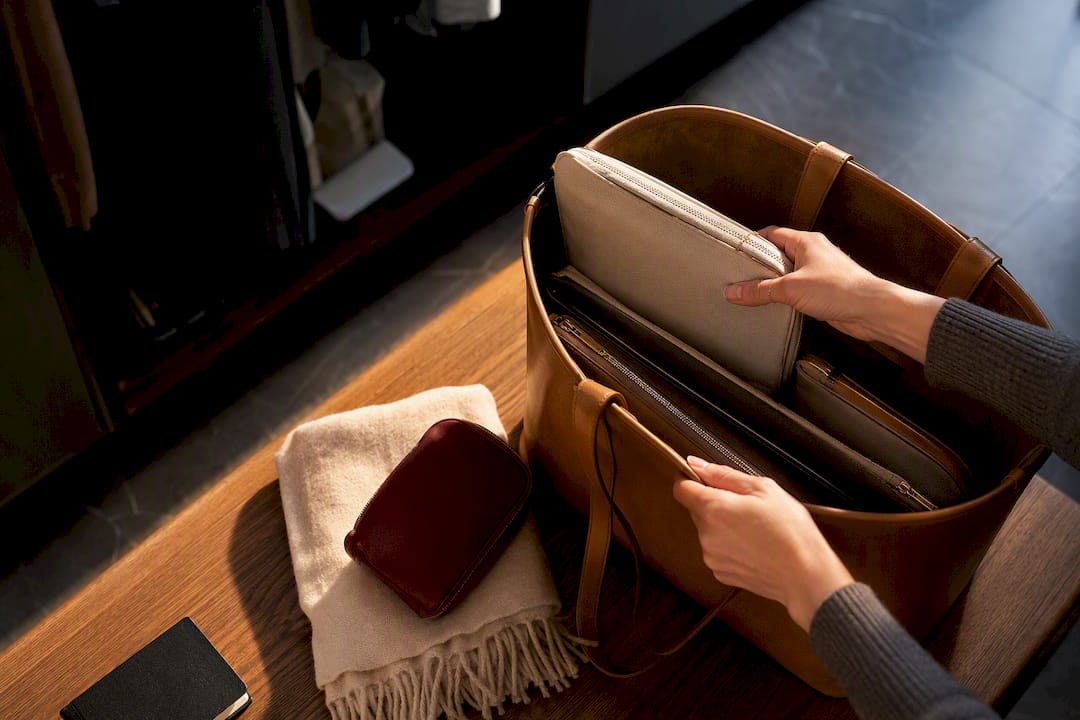
The best tote bag organization system pairs modular zip pouches with a light base shaper and a five-minute weekly reset. The pouches let you group essentials by category and move them between bags in seconds, the shaper keeps a soft-sided tote from collapsing into a heap, and the weekly reset stops small chaos from becoming permanent clutter. It works whether your tote is canvas or hand-finished Italian leather.
How to make the best of your Tote. Vivien Lauren.
Modular zip pouches enable quick transfer between bags and help organize essentials by category for versatile tote use.
Using heavy, flat items against the back wall provides structure and prevents the tote from sagging, especially in soft leather bags.
A weekly five-minute reset keeps clutter in check by emptying, cleaning, and reorganizing the tote, stopping small chaos from accumulating.
Choose breathable fabric pouches to protect leather linings and reserve exterior slip pockets for items you need in under three seconds.
Measure your tote’s interior base before buying inserts to avoid bulging, overstretching, or trapping moisture, ensuring long-lasting organization.
Table of Contents
What Is the Zone System for Tote Bag Organization?
The zone system treats your tote like three stacked layers instead of one open cavity. Heavy and flat items go against the back wall, pouches fill the middle, and whatever you reach for most sits on top. This back-to-front zoning method keeps a bag balanced on your shoulder and stops your phone from sinking to the bottom under a water bottle.
Loading order matters more than most people realize:
Back layer: laptop, tablet, or a flat notebook, placed vertically against the interior back wall rather than lying loose.
Middle layer: your zip pouches, grouped by function.
Top layer: keys, phone, transit card, whatever you touch multiple times a day.
Standing a flat, rigid item against the back wall does more than save space. It acts as a structural anchor that keeps the base from bowing outward, which matters even more in an unstructured leather tote than in a stiff canvas one.
Your middle-layer pouches typically fall into several common categories, including tech accessories, essentials like wallet and lip balm, beauty or first-aid items, and snacks.
Swap the whole middle layer and you have swapped contexts. A work configuration might drop the snack pouch for a portfolio folder; a gym-bound version trades the beauty kit for a compact toiletry roll; a weekend tote might carry all four plus a paperback. A brand-focused approach to tote packing calls this the “one tote, many kits” method, and it is the fastest way to repurpose a single bag for an entire week.
For quick-access items, a few small tricks pay off disproportionately. Clip keys to a leash inside the top opening so you never dig for them. Use a top pouch in a color that stands out against your bag’s lining. Deep totes with dark interiors punish neutral-colored pouches; a bright top pouch improves retrieval speed noticeably, which is a small, inexpensive fix for a genuinely daily annoyance.
Pro Tip: If your tote has exterior slip pockets, reserve them exclusively for your phone or transit pass. Anything you need in under three seconds should never be inside the main compartment.
Should You Use Pouches, Inserts, or Panel Organizers?
Zip pouches beat a single rigid insert for most people, mainly because they move. A modular bag-in-bag approach lets you lift your entire kit out of one tote and drop it into another in under ten seconds, which matters enormously if you rotate bags by season or occasion. A structured insert, by contrast, is often cut to fit one specific bag and becomes dead weight the moment you switch totes.
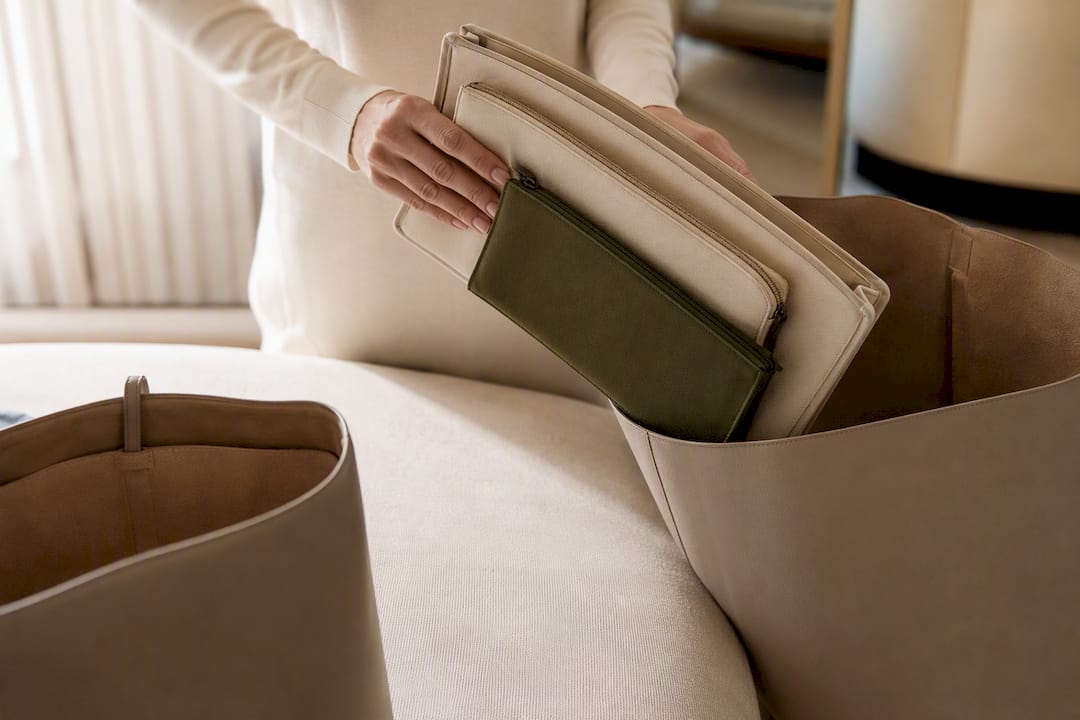
Panel and grid-style organizers sit in between. They lay flat items out in visible rows, which works well in a wide, shallow tote where everything is easy to see from above. In a deep tote, though, a rigid panel just becomes another layer you have to lift out to reach anything underneath it, defeating the purpose.
A few fit rules prevent expensive mistakes:
Measure your tote’s interior base before buying any insert. An insert cut too tall will crown the top of the bag and distort its silhouette.
Avoid an insert wider than the base by even half an inch. It will bulge the sides outward and stretch stitching over time.
Choose breathable fabric pouches for leather totes. Stiff plastic liners trap moisture and can leave pressure marks on soft hides.
Save waterproof pouches for liquids, whether that is a lip gloss, a spilled coffee lid, or a swimsuit on a travel tote organization day at the pool.
Pro Tip: Test-fit any insert or shaper before you commit. Set it in the empty bag, load your usual items on top, and check for bulging at the sides after a full day, not just at the moment you pack it.
One caution worth repeating: organizers themselves add weight. A modular pouch system is only efficient if you periodically audit it and remove pouches you have stopped using. A tote stuffed with three “backup” kits is not organized. It is just heavier.
How Do You Store a Collection of Empty Totes?
Once a tote is empty, the goal shifts from access to shape retention. The most space-efficient method for tote bag storage solutions is folding flat and filing upright, the same way you would shelve a book rather than lay it down.
Fold into a flat rectangle by tucking the handles inside and folding the body in half or thirds, depending on the bag’s structure.
File upright in a bin, drawer, or on a shelf so the spine of each bag faces out and you can flip through your collection like a library.
Hang only short-term. A hook is fine for a bag you will use again within a day or two, but long-term hanging stretches handles and straps under sustained weight.
Stuff lightly with tissue or a soft cloth before long-term storage, then slide the bag into a breathable dust bag to hold its shape without trapping humidity.
Avoid stacking totes more than two deep. Stacking crushes soft structure, and it is the single most common reason a once-crisp tote starts to sag. Damp basements and plastic storage bins are the other repeat offenders behind mildew and cracked linings.
How Should You Care for Different Tote Materials?
Material dictates almost everything about long-term care, and treating every tote the same way is where most damage starts. Expert organizer guidance is consistent on this point: leather, woven fiber, canvas, and synthetic totes each need different handling.
Leather: store in breathable fabric, never sealed plastic, and stuff gently with soft materials to hold shape without stretching seams. Condition periodically following the manufacturer’s guidance, and keep the bag away from direct heat.
Woven, rattan, or straw: use soft felt shapers rather than hard plastic forms, which can snag natural fibers or crack the weave at pressure points.
Canvas: tolerates sturdier inserts well, but reserve waterproof pouches for liquids, wipe down weekly, and limit prolonged sun exposure, which fades color unevenly.
Nylon and synthetics: the most forgiving material overall, though metal zipper pulls and abrasive contents like keys can scuff the exterior over time if left loose against it.
Pro Tip: Never let a heavy, rigid item sit loose at the bottom of any bag, regardless of material. Standing it upright against the back wall protects the base from the slow distortion that eventually changes how the entire bag sits.
What Does Vivien Lauren Recommend for Handcrafted Totes?
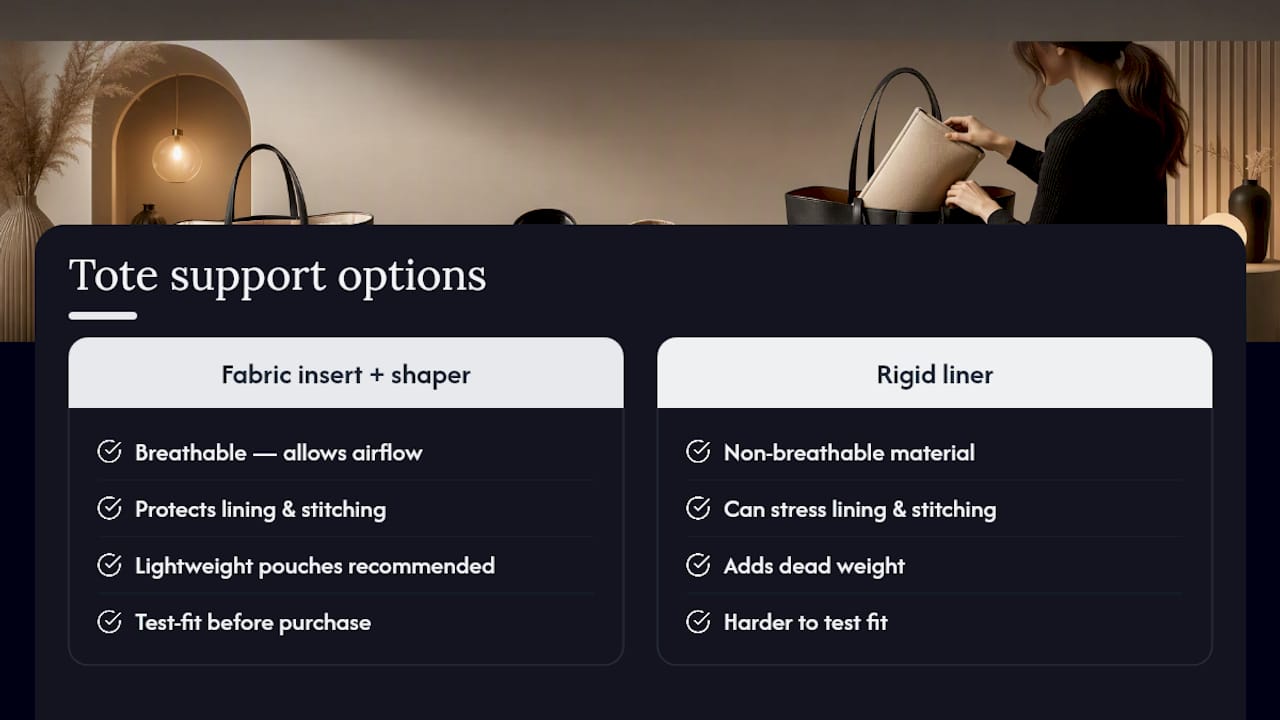
A handcrafted leather tote asks for gentler treatment than a canvas weekender, and it shows the difference. Breathable fabric inserts and a properly measured base shaper preserve the interior lining and stitching in ways a rigid plastic liner simply cannot; choosing breathable inserts and test-fitting before purchase is worth the extra five minutes, especially for a bag meant to last decades rather than seasons.
Look for the lightest pouches that still do the job. A tote crafted with the kind of skill passed down through generations of Italian leatherwork was never meant to carry dead weight. Vivien Lauren’s leather tote bags are built for exactly this kind of considered use, and our guide to investing in luxury leather totes walks through fit and care in more depth.
Why Organization Is Part of Owning Fewer, Better Bags
We think of a well-organized tote as a quiet form of respect for the piece itself. When your bag has a system, it stops absorbing the constant small injuries of a chaotic interior, the loose keys scratching a lining, the leaking pen. That is not a minor convenience; it is what lets one exceptional tote outlast a drawer full of forgettable ones.
Investing in a few genuinely good pouches, rather than accumulating a pile of flimsy dividers, is the same instinct that draws you toward a curated wardrobe over a crowded one. A five-minute weekly reset is a small habit. It is also, in its own modest way, a style choice.
— Vivien Lauren.
Find a Tote Worth Organizing
Every system in this guide assumes you are protecting something worth protecting. Vivien Lauren exists for exactly that reader: someone who would rather own one handcrafted Italian leather tote for a decade than replace a flimsy one every year.

Before you choose an insert or pouch set for a new bag, check the piece’s own construction first. Our work bag guide for women covers which shapes suit daily use, and our practical leather care guide explains conditioning routines that keep handcrafted leather supple for years.
Quick action | Why it matters |
Measure your tote’s interior base | Prevents bulging inserts |
Choose breathable fabric pouches | Protects leather linings |
Run a weekly reset | Keeps the system working |
Browse the full collection of Italian leather totes and find the piece your next organizing system gets built around.

Where This Guide’s Advice Comes From
The loading order and pouch categories in this guide draw on a five-system breakdown of tote organization and a seven-step maintenance routine. Material care rules follow expert organizer tips on tote storage, and folding and filing methods come from Vivien Lauren's Stylists recommendation and from a retailer’s storage guide.
Sources
FAQ
What Is the Best Way to Organize Tote Bags?
Use a three-layer zone system: heavy or flat items at the back, categorized zip pouches in the middle, and quick-access items like keys and your phone on top.
What Is the Best Organizer for a Tote Bag?
A set of modular zip pouches beats a single rigid insert for most people because you can transfer your entire kit between bags in seconds rather than repacking each one.
What Is a Good Bag Organizer for Totes?
Look for lightweight, breathable fabric pouches sized to your tote’s interior base, with a separate waterproof pouch reserved for liquids or spill-prone items.
How Do You Give a Tote Bag Structure?
A light base shaper measured to fit your tote’s floor, combined with a heavy flat item stood upright against the back interior wall, keeps the bag from sagging or losing its silhouette.
How Often Should You Reset a Tote Bag?
Once a week is enough. A five-minute reset, emptying the bag, wiping the lining, and restocking your pouches, prevents clutter from creeping back in.
Recommended
This fashion piece has been authored for you by Sammy Li. On behalf of Vivien Lauren. Vivien Lauren. Luxury. Craftsmanship. That's Proudly Italian. Vivien Lauren. Proud To Style.


