
Why Shop Ethical Fashion: Benefits Worth Knowing
TL;DR:
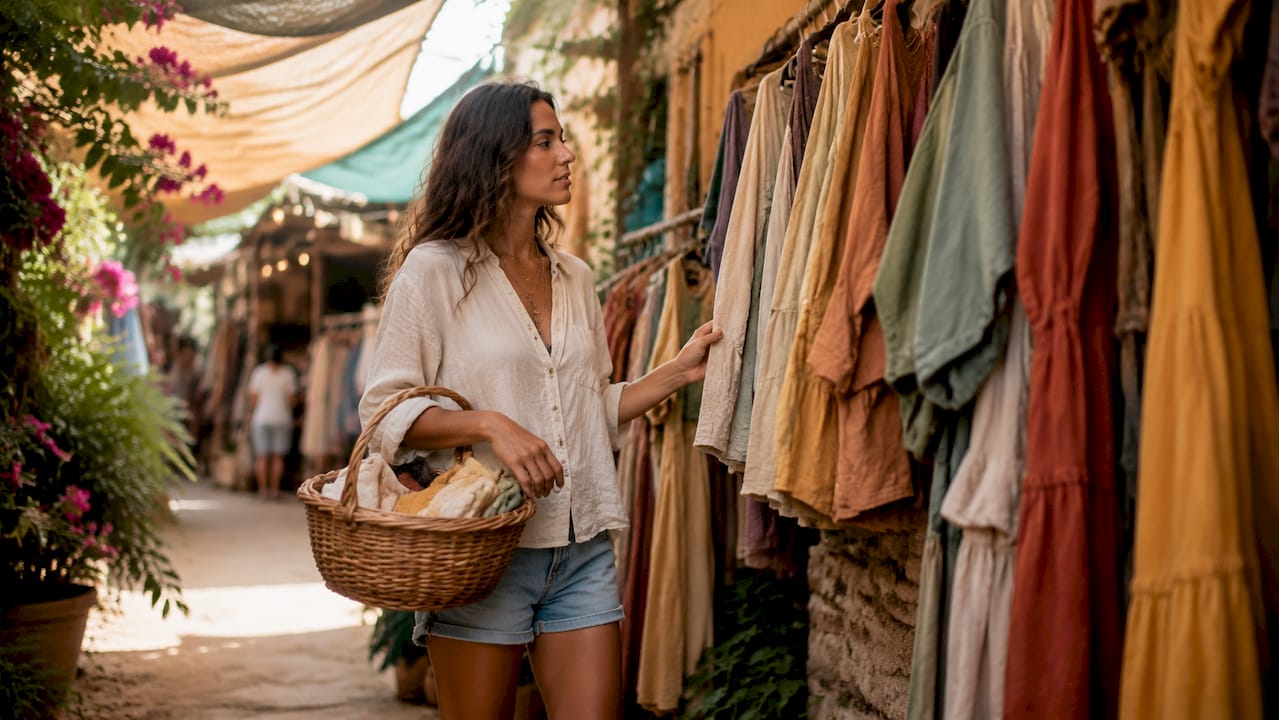
Ethical fashion respects people and the planet through fair wages, safe conditions, and sustainability. Choosing durable, natural fibers and supporting transparent brands significantly reduces environmental impact and promotes fair labor practices. Incorporating quality, versatility, and secondhand options helps build a wardrobe aligned with personal values and enduring style.
Ethical fashion is clothing produced in a way that respects both people and the planet, ensuring fair wages, safe working conditions, and environmental sustainability at every stage of the supply chain. For conscientious women who care as deeply about the origins of a garment as its silhouette, the question of why shop ethical fashion is not merely philosophical. It is a matter of aligning one’s wardrobe with one’s values, and the evidence supporting that alignment is both compelling and, at times, quietly urgent. From the labor rights of women garment workers in Bangladesh to the microplastic footprint of a polyester blouse, every purchase carries weight far beyond its price tag.
What are the environmental benefits of shopping ethical fashion?
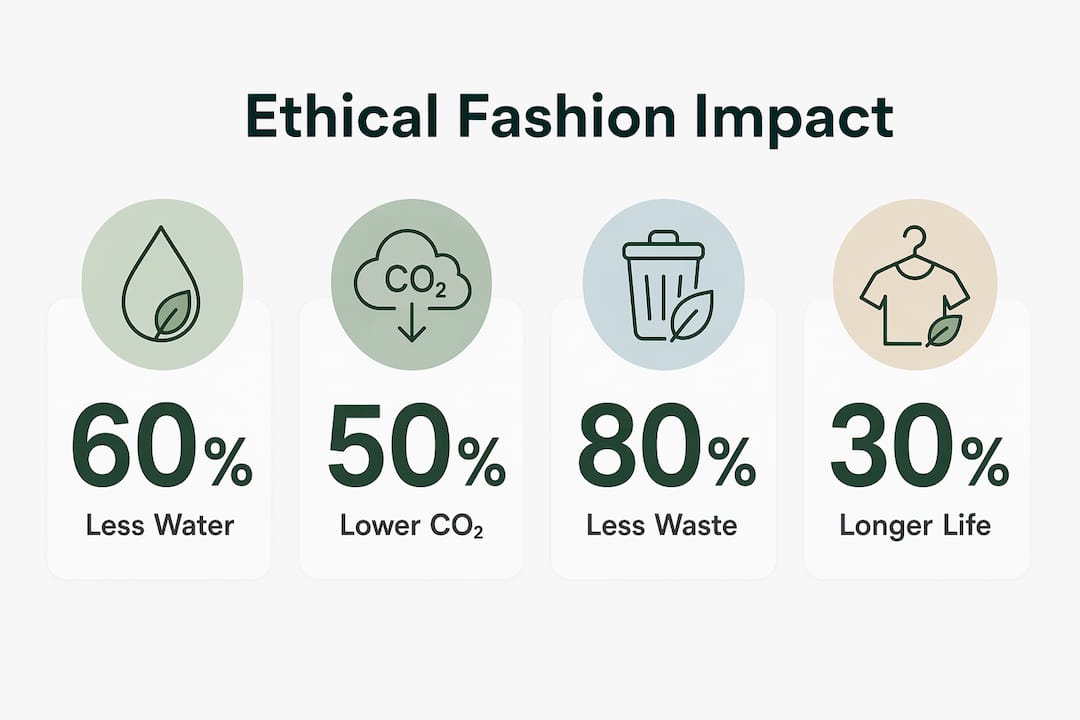
Ethical fashion’s most measurable impact begins with the environment, and the numbers are striking. Buying fewer, durable garments reduces fashion’s climate impact compared to the constant churn of fast fashion, according to National Geographic. Each garment that lasts five years instead of one represents fewer raw materials extracted, fewer emissions generated, and less textile waste deposited in landfills. This is not abstraction. It is arithmetic.
The choice of material matters enormously. Research published in Frontiers in Sustainability shows that consumers who understand environmental consequences prefer organic cotton over polyester, a preference that reflects genuine ecological logic. Organic cotton biodegrades; synthetic fibers shed microplastics with every wash, entering waterways and, eventually, the food chain. Choosing eco-friendly fashion fabrics is one of the most direct ways a shopper can reduce her environmental footprint without sacrificing beauty or refinement.
The problem of overproduction compounds these material concerns. The fashion industry produces garments at a scale that far exceeds demand, and the surplus is often incinerated or landfilled. Ethical fashion, by design, resists this cycle through limited runs, made-to-order production, and an emphasis on pieces that transcend seasonal trends.
Key environmental advantages of choosing ethical fashion include:
Reduced carbon emissions through longer garment lifespans and fewer replacement purchases
Lower microplastic pollution by favoring natural and biodegradable fibers over synthetics
Less textile waste through intentional production and consumer restraint
Preservation of water resources, since organic farming avoids the pesticide-heavy irrigation of conventional cotton
Pro Tip: When evaluating a garment’s environmental credentials, look beyond the label’s claims and ask about the fiber composition. A dress made from GOTS-certified organic cotton or OEKO-TEX-certified linen carries verifiable environmental standards, not just marketing language.
How does ethical fashion support fair labor and workplace rights?
The social justice dimension of ethical fashion is, for many women, the most personally resonant. Research published in the Journal of Business Ethics reveals that living wages and safe workplaces for women garment workers in Bangladesh depend not on corporate goodwill alone, but on sustained advocacy, civil society pressure, and genuine recognition of workers’ dignity. This distinction matters. A brand that publishes a supplier list is not automatically an ethical brand. Accountability requires structure, not just symbolism.
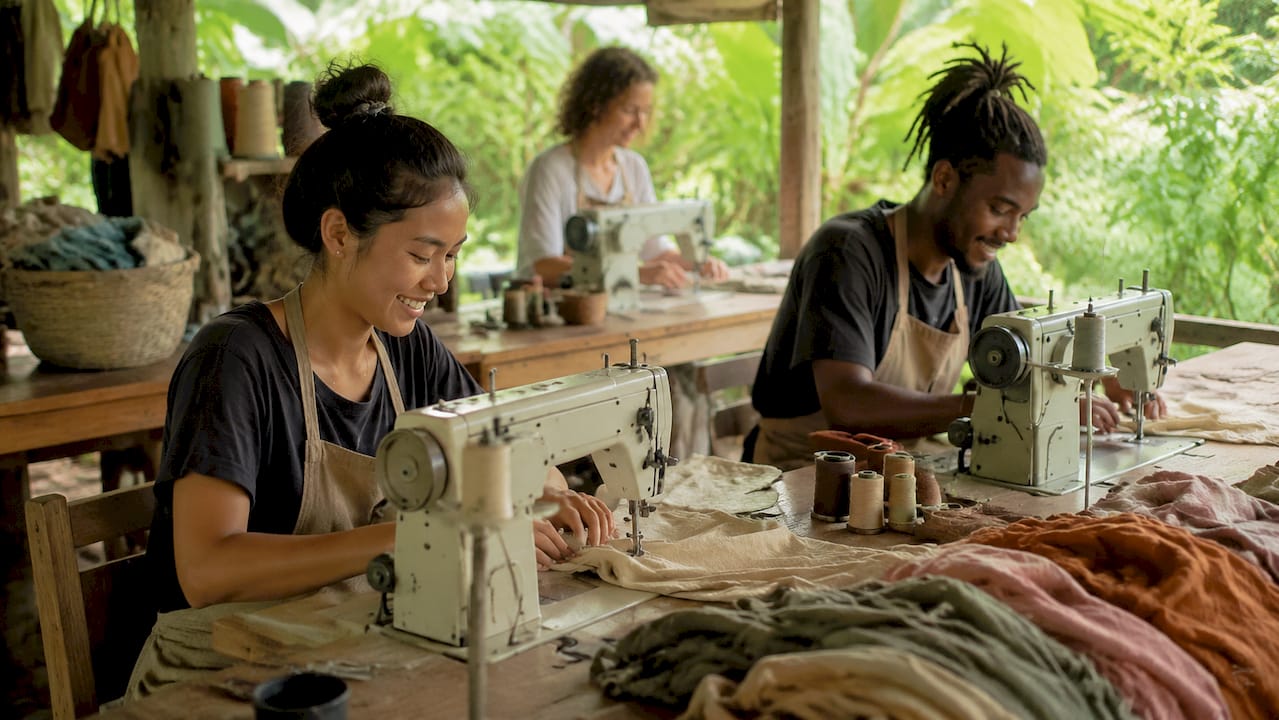
The garment industry employs tens of millions of women globally, many of whom work in conditions that compliance audits routinely fail to capture. The same research underscores that symbiotic accountability between brands, governments, NGOs, and unions is necessary to secure even basic labor rights. When you choose a brand that publishes its factory partners, pays above minimum wage, and supports worker organizing, you are participating in that accountability structure.
Consider what genuine ethical commitment looks like in practice:
Transparent supply chains: The brand discloses factory names, locations, and audit results publicly.
Living wage commitments: Workers earn enough to cover food, housing, healthcare, and education, not merely the legal minimum.
Safe working conditions: Factories meet fire safety, ventilation, and structural standards verified by independent bodies.
Worker voice: Employees have access to grievance mechanisms and the right to organize without retaliation.
“Worker dignity and accountability require sustained pressure from consumers and civil society, not assumptions of automatic delivery.” — Research on Bangladesh’s apparel industry, Journal of Business Ethics, 2026
The power of the individual consumer within this system is real, though it operates collectively. When enough women redirect their spending toward brands with verifiable labor standards, the market signal is unmistakable.
What psychological factors influence why consumers choose ethical fashion?
The gap between caring about ethical fashion and actually buying it is one of the most studied phenomena in consumer behavior, and the findings are illuminating. Research from Frontiers in Sustainability demonstrates that price and material cues shape perceived sustainability, with higher prices typically signaling greater ethical credentials even when consumers are price-sensitive. This creates a paradox: the very affordability that makes fast fashion attractive also makes it feel less trustworthy to informed shoppers.
Psychological Factor | Effect on Ethical Fashion Choices |
Price as sustainability signal | Higher price increases perceived ethical value, even without explicit labeling |
Material salience | Naming organic cotton or recycled fibers increases purchase intention |
Environmental harm visibility | Making pollution consequences explicit reduces fast fashion’s appeal |
Green gap (intention vs. action) | Consumers who intend to shop ethically often revert to habit under time pressure |
Knowledge and messaging | Clear, specific information about impact shifts preferences toward sustainable options |
The “green gap,” the distance between a consumer’s stated values and her actual purchases, is not a character flaw. It is a predictable cognitive response to information overload and habitual behavior. Consumer education that makes environmental impacts concrete and specific, rather than abstract and global, is the most effective tool for closing that gap.
Pro Tip: Before your next purchase, ask one specific question: “How long will I wear this?” Research confirms that the single most powerful predictor of a garment’s environmental impact is how long it stays in active use. A beautiful dress worn fifty times outperforms a trendy piece worn twice, regardless of its fiber content.
How can consumers practically incorporate ethical fashion into their wardrobes?
Building an ethical wardrobe does not require a complete overhaul of your closet or an unlimited budget. The most effective approach, as National Geographic’s fashion experts confirm, combines buying fewer, higher-quality pieces with a willingness to explore secondhand and vintage options. Quality and ethics, in this framework, are not competing values. They are the same value expressed differently.
A capsule wardrobe built around timeless silhouettes, exquisite fabrics, and considered craftsmanship is, by its nature, an ethical wardrobe. Fewer pieces, worn more often, repaired when needed, and eventually passed on rather than discarded. This is the philosophy that has guided artisan fashion houses for generations, and it is precisely the philosophy that sustainable fashion advocates are now articulating in environmental terms.
Practical strategies for the conscientious shopper include:
Invest in versatility. A well-cut dress in a neutral or classic color serves ten occasions rather than one. Versatility is the most underrated sustainability metric in fashion.
Research certifications. Look for GOTS (Global Organic Textile Standard), Fair Trade Certified, or B Corp status as indicators of verified ethical practice, not just brand storytelling.
Explore secondhand with intention. Platforms and curated vintage boutiques offer exquisite pieces at accessible prices, and secondhand shopping benefits extend well beyond cost savings to genuine environmental impact reduction.
Prioritize repairability. A garment with quality construction can be altered, repaired, and refreshed. Cheap construction makes repair economically irrational, which is precisely how fast fashion perpetuates its cycle.
Support artisan and slow fashion brands. Brands that produce in small quantities, use traceable materials, and invest in craftsmanship are, almost by definition, operating more ethically than mass-market alternatives.
Ask before you buy. A brand’s willingness to answer questions about its supply chain is itself a form of transparency. Silence is an answer.
The importance of sustainable clothing extends beyond environmental metrics to personal style. Women who build their wardrobes around quality and intention consistently report greater satisfaction with their clothing, less decision fatigue, and a stronger sense of personal identity expressed through dress. The ethical wardrobe is not a sacrifice. It is an upgrade.
Key takeaways
Ethical fashion is the most direct way a conscientious consumer can align her purchasing power with her values, reducing environmental harm, supporting fair labor, and building a wardrobe of lasting beauty.
Point | Details |
Environmental impact is real | Choosing durable, natural-fiber garments reduces carbon emissions and microplastic pollution significantly. |
Labor rights require active support | Verified supply chain transparency and living wages depend on sustained consumer and civil society pressure. |
Psychology shapes purchasing | Price and material cues influence perceived sustainability; specific impact information closes the green gap. |
Quality over quantity works | Fewer, better pieces worn more often outperform fast fashion on every environmental and personal satisfaction metric. |
Certifications provide clarity | GOTS, Fair Trade, and B Corp status offer verifiable ethical standards beyond brand marketing claims. |
Why I believe ethical fashion is the most personal choice you can make
I have spent years surrounded by extraordinary clothing, and the question I return to most often is not “Is this beautiful?” but “Who made this, and how?” That shift in perspective did not happen overnight. It came gradually, through encounters with the craftsmanship of Italian ateliers, through reading about the women who sew the garments we wear, and through a growing discomfort with the disposability that fast fashion normalizes.
What strikes me most about the ethical fashion conversation is how often it is framed as deprivation. As though choosing quality over quantity, or transparency over convenience, requires giving something up. My experience is precisely the opposite. The women I know who have embraced slow fashion, who buy less and choose with greater care, wear their clothing with a confidence and ease that no trend cycle can replicate. Their wardrobes tell a story of considered taste, not compulsive accumulation.
The uncomfortable truth is that most of us already know what ethical fashion requires. We know that a thirty-dollar dress cannot have been made well, paid for fairly, and produced sustainably. The knowledge is there. What changes behavior is not more information but a different relationship with clothing itself, one rooted in admiration for craft, respect for the people who create it, and a genuine appreciation for beauty that endures.
I believe the women reading this are already partway there. The fact that you are asking why shop ethical fashion suggests you are ready to let your wardrobe reflect the values you already hold.
— Vivien
Discover Vivienlauren’s curated ethical luxury collection

Vivienlauren was built on the conviction that elegance and ethics are not in tension. Every piece in our collection is crafted in Italy, drawing on generations of artisan skill, and selected for its timeless beauty rather than its seasonal relevance. When you shop with Vivienlauren, you are choosing clothing made to be worn, loved, and kept, not discarded after a single season.
Explore our women’s fashion collection for pieces that embody slow fashion at its most refined, from exquisite occasion dresses to beautifully crafted shoes. Each category reflects our commitment to quality, transparency, and the kind of femininity that never goes out of style. Browse our elegant dress collection and discover what it means to dress with both beauty and intention.
FAQ
What is ethical fashion, exactly?
Ethical fashion is clothing produced with fair wages, safe working conditions, and sustainable materials throughout the supply chain. It encompasses both product attributes, such as organic fibers and durable construction, and consumer behaviors like buying less and choosing secondhand.
Why does ethical fashion often cost more?
Higher prices in ethical fashion reflect living wages, quality materials, and transparent production rather than cost-cutting at the expense of workers or the environment. Research confirms that higher price signals greater sustainability to informed consumers, and the cost-per-wear of a durable garment is almost always lower than that of a cheap alternative.
Does buying secondhand count as ethical fashion?
Secondhand shopping is one of the most effective ethical fashion choices available, extending garment life and preventing emissions from new production. National Geographic’s fashion experts identify secondhand and durable clothing as the clearest path to reducing fashion’s climate impact.
How can I verify a brand’s ethical claims?
Look for third-party certifications such as GOTS, Fair Trade Certified, or B Corp status, and check whether the brand publicly discloses its factory partners and audit results. A brand unwilling to share supply chain information has not earned the label “ethical.”
What is the green gap in ethical fashion?
The green gap is the distance between a consumer’s intention to shop ethically and her actual purchasing behavior, driven by habit, price sensitivity, and information overload. Consumer education that makes environmental impacts specific and visible is the most effective tool for closing it.
Recommended
This fashion piece has been authored and brought to you by Chloe. For Vivien Lauren. Vivien Lauren. Luxury. Craftsmanship. That's Proudly Italian. Vivien Lauren. Proud To Style.


