
The Importance of Fashion Heritage in Culture and Design
Updated: Aug 19
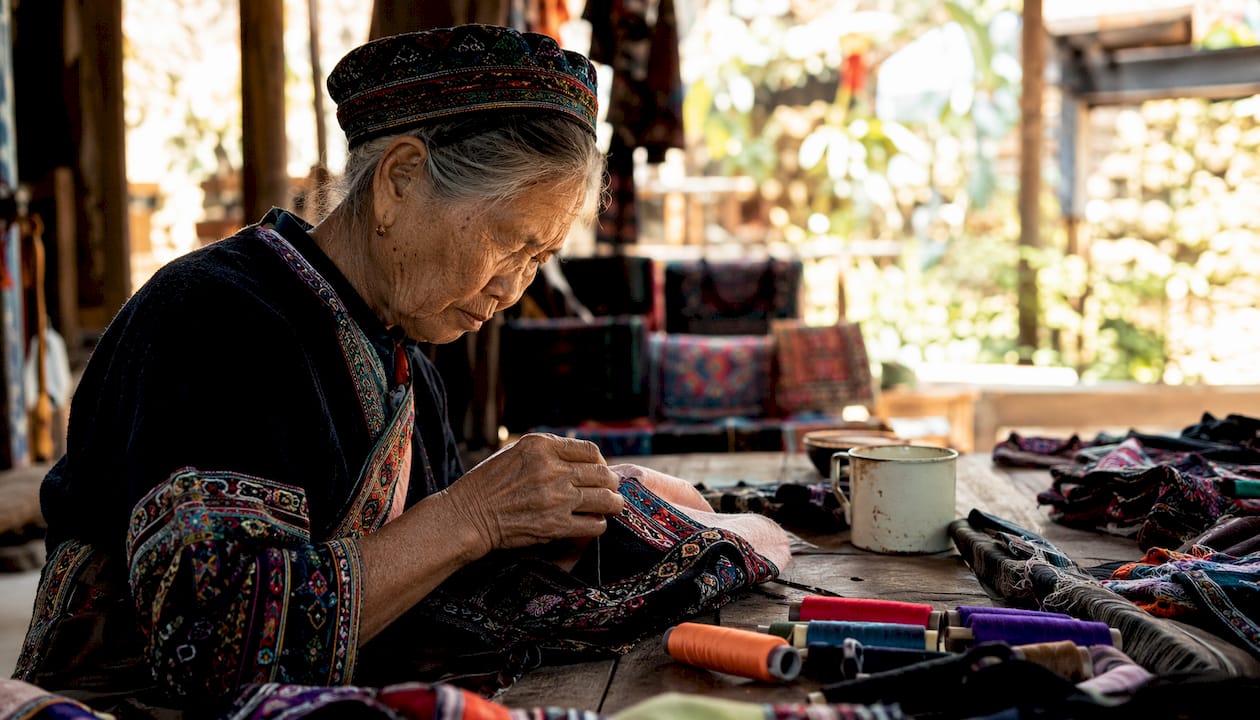
Fashion heritage is the living record of who we are. It preserves cultural identity, artisanal craftsmanship, and the social history embedded in every stitch, silhouette, and textile tradition passed down over time. The importance of fashion heritage extends far beyond nostalgia: it shapes how designers create, how brands build lasting identity, and how communities maintain pride in their own stories.
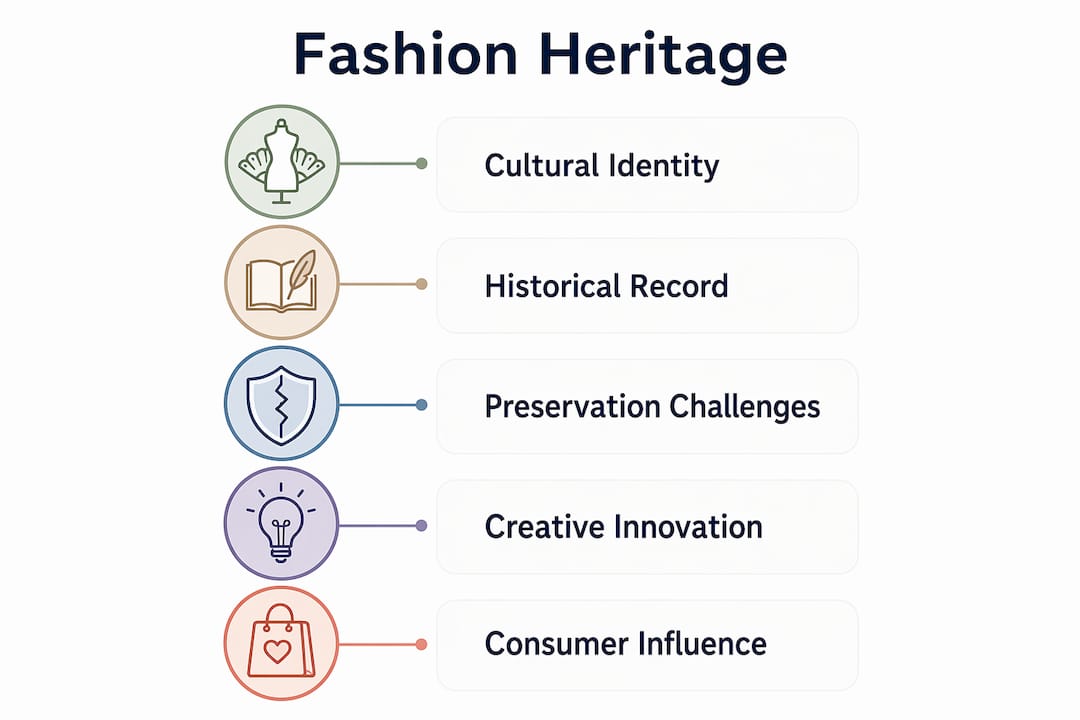
At its core, fashion heritage encompasses:
Cultural identity preservation: Garments carry the values, rituals, and social codes of the communities that made them.
A tangible historical record: Clothing documents political movements, economic shifts, and technological change in ways that written history alone cannot.
Sustainable craftsmanship: Traditional techniques such as handweaving, natural dyeing, and artisan embroidery represent low-impact production methods that modern fast fashion has largely abandoned.
Brand legacy and entrepreneurship: Heritage gives luxury houses and independent designers an authentic foundation from which to build enduring identity and cultural relevance.
A driver of innovation: Fashion archives prevent unintentional design repetition and open pathways to genuine creative reinvention.
Table of Contents
1. Why fashion heritage is the foundation of cultural identity
Clothing has never been merely functional. Across every civilization, garments have communicated rank, belief, belonging, and aspiration with extraordinary precision. Traditional garments embody social hierarchies, spiritual beliefs, and cultural values, preserved across generations as markers of identity and communal pride.
Consider the Korean hanbok, the West African kente cloth, or the intricate embroidery of Mexican huipil blouses. Each carries a visual language that no written document can fully replicate. When these traditions are lost, something irreplaceable disappears with them.
Symbolic meaning in dress: Color, pattern, and construction technique all carry specific cultural significance that varies by region and era.
Social cohesion: Shared dress codes reinforce community bonds and mark rites of passage, from weddings to mourning rituals.
Indigenous and non-Western traditions: Preserving these stories corrects the historical bias toward Western fashion narratives and honors the full breadth of human creativity.
Cultural pride: When communities see their heritage reflected in respected design contexts, it affirms the value of their history.
Cultural institutions increasingly advocate for viewing fashion as a legitimate cultural artifact, one that democratizes access to history and identity in ways that traditional fine art museums rarely achieve. The garment, worn on the body, carries an intimacy that a painting on a wall simply does not.
2. What fashion history actually reveals about society
Fashion archives are dynamic repositories that safeguard cultural identity and provide inspiration for designers, but their deeper function is as a mirror of civilization itself. A shift from corsets to looser silhouettes marks the suffragette movement’s push for freedom. The introduction of synthetic fabrics in the mid-20th century reflects a post-war era of mass production and technological optimism.
What makes fashion history so revealing is its specificity. A garment does not editorialize; it simply exists as evidence.
Political movements: Dress has consistently signaled resistance and liberation, from the rational dress reform of the 1880s to the power suits of the 1980s.
Technological change: The industrialization of textile production transformed not only what people wore but how class and labor were organized.
Marginalized communities: Archives that include non-Western and indigenous garments correct the historical record and give voice to communities often excluded from mainstream fashion narratives.
Designer inspiration: Contemporary designers draw on historical silhouettes and embroidery techniques to create work that feels both new and deeply rooted.
Fashion as a cultural record preserves societal shifts and political contexts that might otherwise be reduced to abstraction in history books. The physical garment makes history tangible.
3. The real challenges of conserving fashion heritage
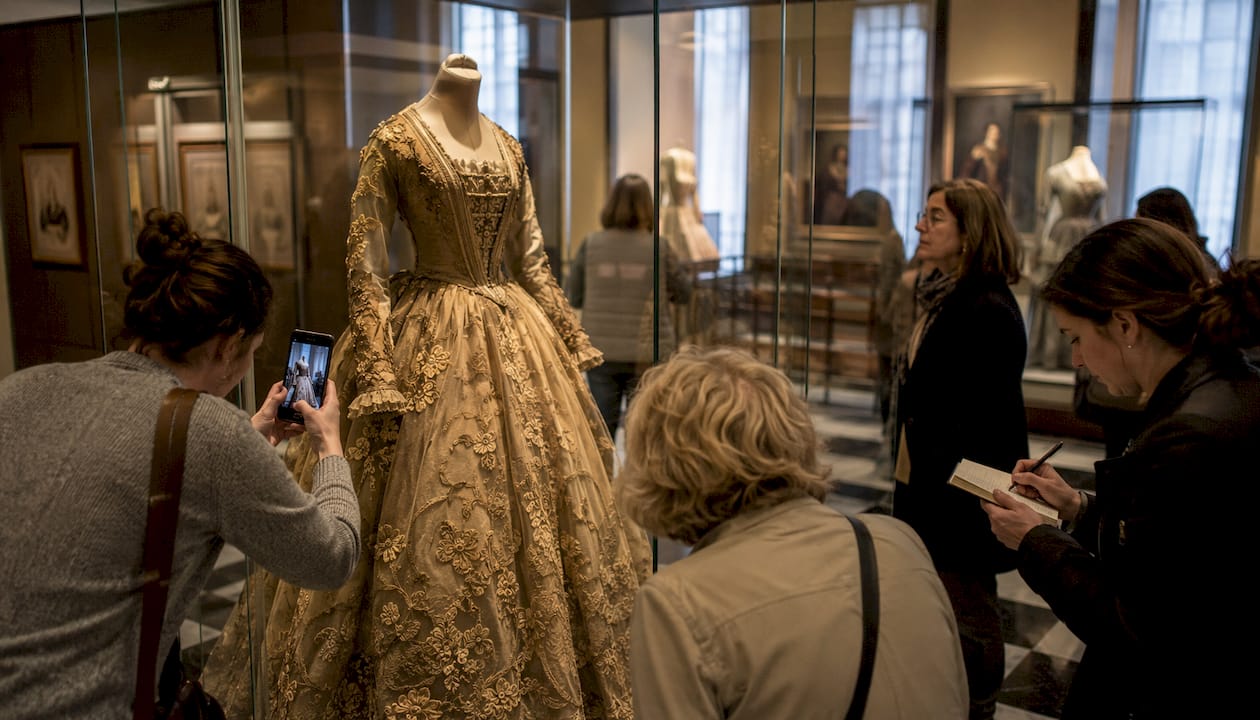
Preservation is harder than it looks. Historic garments are among the most fragile artifacts in any collection, vulnerable to light, humidity, insects, and the simple passage of time. The challenges are practical, financial, and ethical all at once.
The preservation paradox: Fashion heritage is often locked within private and corporate archives, limiting its accessibility and potential for broader cultural impact.
Material fragility: Silk, wool, and natural dyes degrade over decades. Even careful storage cannot fully arrest deterioration.
Digitization gaps: Many collections remain undigitized, accessible only to those who can physically visit private archives.
Cultural appropriation risks: Using heritage motifs without attribution or compensation to the originating community is an ethical failure that causes real harm, both culturally and economically.
Economic constraints: Scaling heritage techniques sustainably is genuinely difficult. Labor-intensive processes such as hand-finishing and traditional embroidery lead to higher costs that the mass market cannot absorb.
Institutional underfunding: Public museums and universities often lack the resources to maintain and expand their fashion collections at the level the material deserves.
The ethical dimension deserves particular attention. When a global brand adopts a traditional pattern without crediting or compensating the community that created it, the act strips cultural meaning from its context and converts it into pure commodity. Responsible preservation requires attribution as a non-negotiable standard.
4. How institutions and designers are preserving fashion heritage
The most effective preservation strategies treat archives not as static storage but as living design tools, actively re-engineered for modern use. The Gianfranco Ferré Research Center at Politecnico di Milano offers one of the clearest models: it integrates digitization, educational programming, and collaborative research to keep a designer’s archive genuinely alive within the broader fashion system.
Pro Tip: When a brand digitizes its archive, high-resolution photography and 3D scanning allow researchers and students to study fragile garments without physical handling, dramatically extending the life of the collection.
Digitization and cataloging: Converting physical collections into searchable digital databases opens them to global audiences and protects originals from handling damage.
Artisan collaborations: Fashion houses that partner directly with traditional craftspeople sustain the skills themselves, not just the finished objects.
Educational programs: Universities and museums offering fashion heritage curricula create the next generation of curators, designers, and cultural entrepreneurs who understand what is at stake.
Ethical motif integration: Incorporating heritage patterns into modern collections with full attribution and community involvement transforms appropriation risk into genuine cultural exchange.
Slow fashion and repair: Upcycling archival garments and teaching repair techniques extend the life of existing pieces, honoring the craftsmanship already invested in them.
Sustainable materials research: Studying historical construction techniques and natural dyes gives contemporary designers a proven toolkit for low-impact production.
Fashion heritage promotes cultural ecosystems that enable creativity, education, and cultural entrepreneurship across institutions, companies, and communities simultaneously.

5. How consumers shape the future of fashion heritage
Consumer choices are not passive. Every purchase decision either supports or undermines the preservation of traditional craftsmanship and cultural storytelling. The growing appetite for artisanal, ethically sourced fashion reflects a genuine shift in how people understand the value of what they wear.
Luxury consumers, in particular, identify genuine heritage pieces by artisanal techniques such as hand-finishing and traditional embroidery, qualities that ensure durability and authenticity beyond surface branding. That discernment drives brands to maintain the standards that make heritage meaningful.
Demand for transparency: Consumers who ask where and how a garment was made create market pressure for honest sourcing and fair artisan compensation.
Supporting ethical brands: Choosing brands that credit cultural origins and compensate contributing communities directly funds the continuation of those traditions.
Valuing longevity over volume: Buying fewer, better pieces and caring for them properly is itself an act of preservation, extending the life of craftsmanship already embedded in the garment.
Education and awareness: The more consumers understand the significance of fashion legacy, the more effectively they can distinguish genuine heritage from superficial aesthetic borrowing.
Rejecting fast fashion cycles: Opting out of disposable trend cycles reduces demand for the mass production that crowds out artisanal methods.
There is something quietly powerful about a woman who chooses a handwoven scarf or a hand-finished dress not simply because it is beautiful, but because she understands the human skill and cultural continuity it represents.
6. How fashion heritage is interpreted around the world
The role of heritage in fashion looks different depending on where you stand. In South Africa, cultural elements such as traditional patterns, textiles, and craftsmanship are being woven into luxury branding to reflect the country’s rich heritage and appeal to both local and international consumers who value culturally embedded authenticity. In Italy, generational artisan knowledge in leatherwork and tailoring forms the backbone of the global luxury industry. In Japan, the philosophy of monozukuri (the art of making things) shapes how heritage craft is treated as a living discipline rather than a museum piece.
Luxury brand integration: Heritage motifs and artisan techniques give luxury houses a credibility that marketing alone cannot manufacture.
Tradition and innovation in balance: The most admired designers blend heritage with innovation, creatively reinventing brand identity while keeping traditional craftsmanship genuinely relevant.
Cross-cultural risks: Borrowing from another culture’s heritage without deep engagement and proper attribution risks reducing living traditions to decorative surface.
International institutional collaboration: UNESCO, WIPO, and national cultural bodies play a growing role in creating frameworks that protect heritage designs from exploitation.
Travel and global exchange: The movement of people and ideas across borders has always influenced fashion. Heritage-inspired accessories and jewelry trends reflect how wanderlust and cultural encounter translate into wearable form.
The French fashion tradition offers one of the most studied examples of how a national heritage can become a global luxury standard. The legacy of Parisian couture, with its emphasis on exquisite construction and refined femininity, continues to define timeless elegance in ways that resonate far beyond France’s borders.
7. Integrating fashion heritage, sustainability, and brand legacy
The relationship between heritage and sustainability is not incidental. Traditional manufacturing methods, including handweaving, natural dyeing, and artisan embroidery, are inherently low-impact processes that predate the industrial logic of disposability. Reviving them is not nostalgia; it is a practical response to the environmental cost of fast fashion.
Pro Tip: Brands that treat their archives as active design resources, rather than archival curiosities, consistently produce collections with stronger cultural resonance and longer commercial life. Re-engineering a heritage silhouette for modern proportions is more compelling than inventing a trend from nothing.
Heritage as brand differentiation: Authenticity grounded in documented tradition is one of the few things a brand cannot fake. It either exists in the archive or it does not.
Sustainable materials and processes: Studying historical construction teaches designers about durability, natural dyes, and textile innovation that modern chemistry has often bypassed.
Scaling challenges: The labor-intensive nature of heritage techniques means that scaling production without compromising quality requires deliberate choices about volume, pricing, and distribution.
Cultural respect in entrepreneurship: Brands that build identity on borrowed cultural heritage without proper engagement risk both ethical censure and the loss of the authenticity they sought in the first place.
Designers as cultural stewards: Reinventing archival values by deconstructing and reblending them with modern aesthetics keeps heritage alive rather than frozen.
At Vivien Lauren, this philosophy is woven into every collection. The handcrafted pieces made in Italy carry the weight of generational artisan knowledge, from the cut of the leather design to the hand-finishing of a bag. That continuity is not a marketing claim; it is the reason the garments endure.
Discover Vivien Lauren’s Heritage-Crafted Collections

For women who understand that true luxury lives in the details, Vivien Lauren offers collections where every piece reflects the artisanal traditions and cultural refinement that fashion heritage demands. From Italian leather bags shaped by craftspeople who have practiced their trade across generations, to occasion dresses that honor the timeless silhouettes of European couture, each piece is a quiet argument for permanence over trend.
Explore the full collection at Vivien Lauren and find pieces made to be worn, remembered, and passed on.
Key Takeaways
Fashion heritage preserves cultural identity, drives sustainable craftsmanship, and gives brands the authentic foundation that no marketing campaign can replicate.
Point | Details |
Heritage as cultural record | Fashion archives document societal shifts, political movements, and cultural values that written history alone cannot capture. |
Sustainability through tradition | Traditional methods such as handweaving and natural dyeing are inherently low-impact, offering a proven model for sustainable production. |
Ethical attribution is non-negotiable | Using heritage motifs without crediting or compensating originating communities causes cultural and economic harm. |
Scaling heritage is genuinely difficult | Labor-intensive heritage techniques lead to higher costs, requiring deliberate choices about volume and pricing. |
Consumer choices drive preservation | Buying artisanal, ethically sourced pieces and valuing longevity over volume directly sustains traditional craftsmanship. |
FAQ
Why is brand heritage important in fashion?
Brand heritage gives a fashion house credibility that cannot be manufactured. It provides an authentic foundation of documented craft, cultural story, and design continuity that differentiates a brand from trend-driven competitors and builds lasting consumer trust.
What is the cultural significance of fashion?
Fashion acts as a tangible record of cultural identity, reflecting social hierarchies, spiritual beliefs, and community values across generations. Traditional garments carry symbolic meaning that preserves the visual and material history of a people in ways no other artifact quite matches.
How does fashion heritage connect to sustainability?
Traditional manufacturing methods, including handweaving, natural dyeing, and artisan embroidery, are low-impact processes with minimal environmental footprint. Reviving and sustaining these techniques offers a practical, historically proven alternative to the disposable logic of industrial fast fashion.
What is the biggest challenge in preserving fashion heritage?
The combination of material fragility, limited digitization, and the ethical risks of cultural appropriation makes preservation genuinely complex. Many collections remain locked in private archives, inaccessible to researchers, designers, and the communities whose heritage they represent.
How can consumers support fashion heritage?
Consumers support heritage preservation by choosing brands that practice transparent sourcing, credit cultural origins, and invest in artisanal craftsmanship. Valuing longevity, repairing garments rather than discarding them, and educating themselves about the traditions behind what they wear all contribute directly to keeping those traditions alive.
Recommended

This fashion piece has been written by Chloe. On behalf of Vivien Lauren. Vivien Lauren. Luxury. Craftsmanship. That's Proudly Italian. Vivien Lauren. Proud To Style.


