
Fashion Revolution: How the 1920s Changed Style
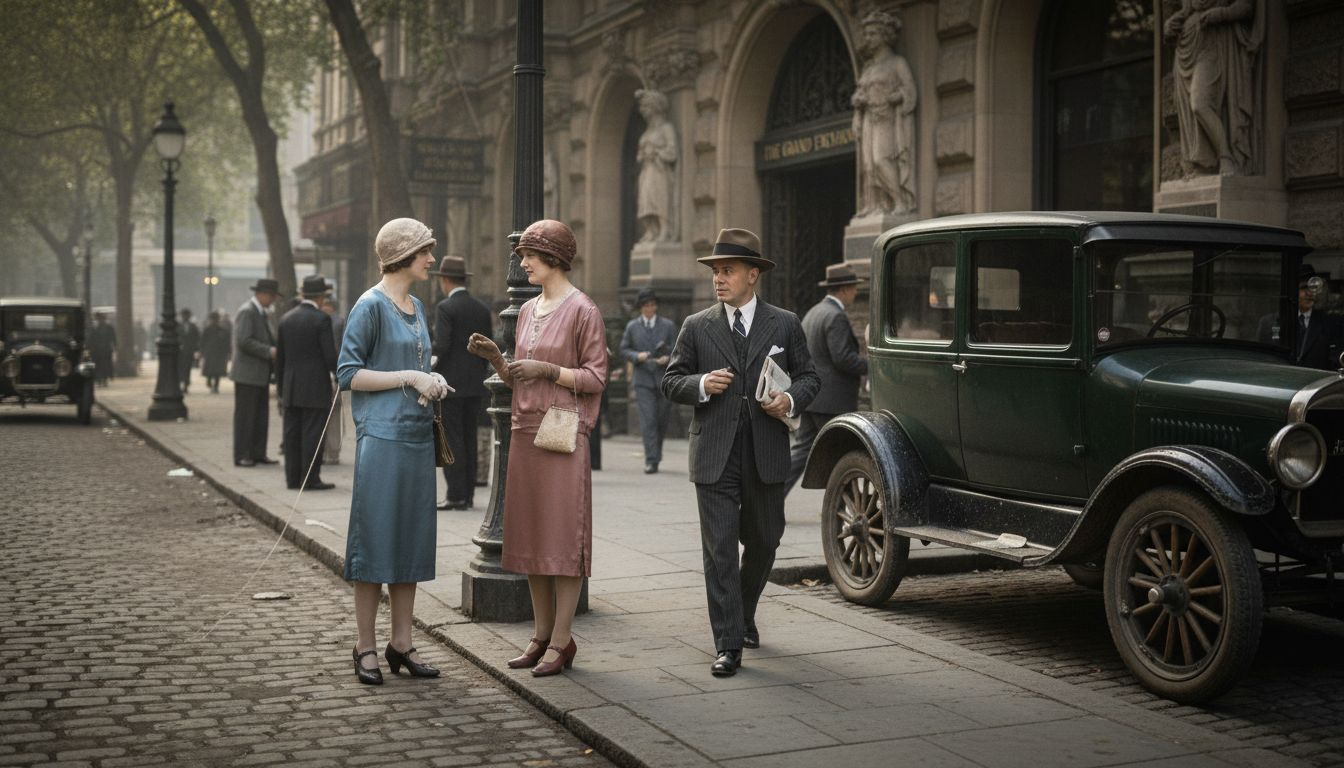
Every closet faces the challenge of balancing practical style with sophisticated allure. The 1920s sparked a bold transformation, ushering in clothing that allowed women to move freely, express independence, and embrace a new standard of timeless elegance. Discover how the legacy of Italian craftsmanship intersects with iconic details like silk, dropped waistlines, and beaded embellishment, offering inspiration for modern luxury that feels as relevant now as it did in the heart of European fashion nearly a century ago.
Table of Contents
Key Takeaways
Point | Details |
Revolutionary Fashion Changes | The 1920s marked a shift from restrictive clothing to more liberated styles, reflecting women’s changing roles and independence. |
Coco Chanel’s Influence | Coco Chanel pioneered an aesthetic that prioritized simplicity and functionality, impacting modern luxury design principles. |
Role of Accessories | Accessories became essential in expressing personal style, transforming simple outfits into glamorous looks. |
Lasting Impact on Modern Fashion | The principles established in the 1920s continue to inform contemporary luxury fashion, emphasizing accessibility and quality materials. |
Defining the Fashion Revolution of the 1920s
The 1920s marked a pivotal moment when fashion abandoned its stuffy past and embraced radical change. This wasn’t simply a shift in hemlines or fabric choices—it was a complete reimagining of how women dressed and presented themselves to the world.
What made this era revolutionary? The answer lies in the convergence of historical forces. World War I had shattered the rigid social structures that once defined elegance, and women were reclaiming their freedom. Fashion became the language through which this liberation spoke.
The End of Restriction
Before the 1920s, women’s fashion was dominated by corsets, layers, and restriction. The flapper silhouette represented a complete departure from this suffocating aesthetic. Instead of cinched waists and elaborate ornamentation, designers embraced simplicity and comfort.
Key shifts in women’s silhouettes included:
Dropped waistlines that fell to the hips rather than the natural waist
Tubular, straight-line shapes replacing the hourglass curves of previous decades
Hemlines rising to the knee, shocking conservative society
Looser, more breathable fabrics that allowed actual movement
This transformation wasn’t purely aesthetic. It reflected deeper changes in how women saw themselves and their place in society.
Materials and Modernization
The 1920s introduced a fascinating paradox: despite post-war fabric scarcity, designers accessed luxurious materials that had previously been reserved for the wealthy elite. Silk and rayon became more accessible, allowing affordable elegance for the middle classes.
Women could now purchase beaded and sequined evening wear without spending a fortune. Practical daywear existed alongside glamorous eveningwear, giving modern women options that suited different occasions and moods.

The Designer Revolution
Coco Chanel emerged as the architect of this new aesthetic. She understood something fundamental: women wanted to move, work, and live without constraint. Her designs proved that simplicity could be more elegant than elaborate decoration.
This period accelerated consumer consumption in unprecedented ways. Fashion became faster, more accessible, and deeply connected to personal identity rather than social status alone.
The 1920s proved that true elegance doesn’t require restriction—it requires understanding what women actually need.
A Reflection of Cultural Shift
Fashion didn’t just respond to social change; it amplified it. Rising hemlines sparked genuine moral outrage from traditionalists, while younger women wore them as symbols of independence. Silhouettes softened and flattened, rejecting the exaggerated femininity that Victorian society had demanded.
The aesthetic became both practical and stylish—a revolutionary combination that had never quite existed before. Women could dress in ways that honored their intelligence, their participation in the workforce, and their desire for personal freedom.
Pro tip: When incorporating 1920s-inspired pieces into your modern wardrobe, focus on the era’s core principle—choosing elegant simplicity that allows you to move and live freely, rather than pieces that merely look the part.
Signature Styles and Iconic Details Unveiled
The 1920s created a visual language that remains instantly recognizable today. Every element—from hemlines to hairstyles—told a story of rebellion, modernity, and newfound freedom. Understanding these signature pieces helps you appreciate why this era still influences fashion nearly a century later.
The Flapper Dress: Modernity Defined
The flapper dress became the decade’s most iconic silhouette. This wasn’t just a dress; it was a manifesto worn on the body. Straight, loose-fitting, and sleeveless, it liberated women from the constraints of previous fashions.
Key characteristics of the flapper aesthetic included:
Dropped waistlines sitting at the hips rather than the natural waist
Knee-length hemlines that scandalized traditionalists
Loose, tubular cuts that allowed unrestricted movement
Minimal structure or shaping of the body
The genius of the flapper dress lay in its simplicity during daytime wear. By evening, however, women transformed into glamorous versions of themselves through ornate embellishment.
Beads, Sequins, and Art Deco Sparkle
Evening wear took the simple flapper silhouette and elevated it through decoration. Beads and sequins cascaded across the body in geometric patterns inspired by the Art Deco movement. Fringe hung from hemlines, creating movement and visual drama with every gesture.
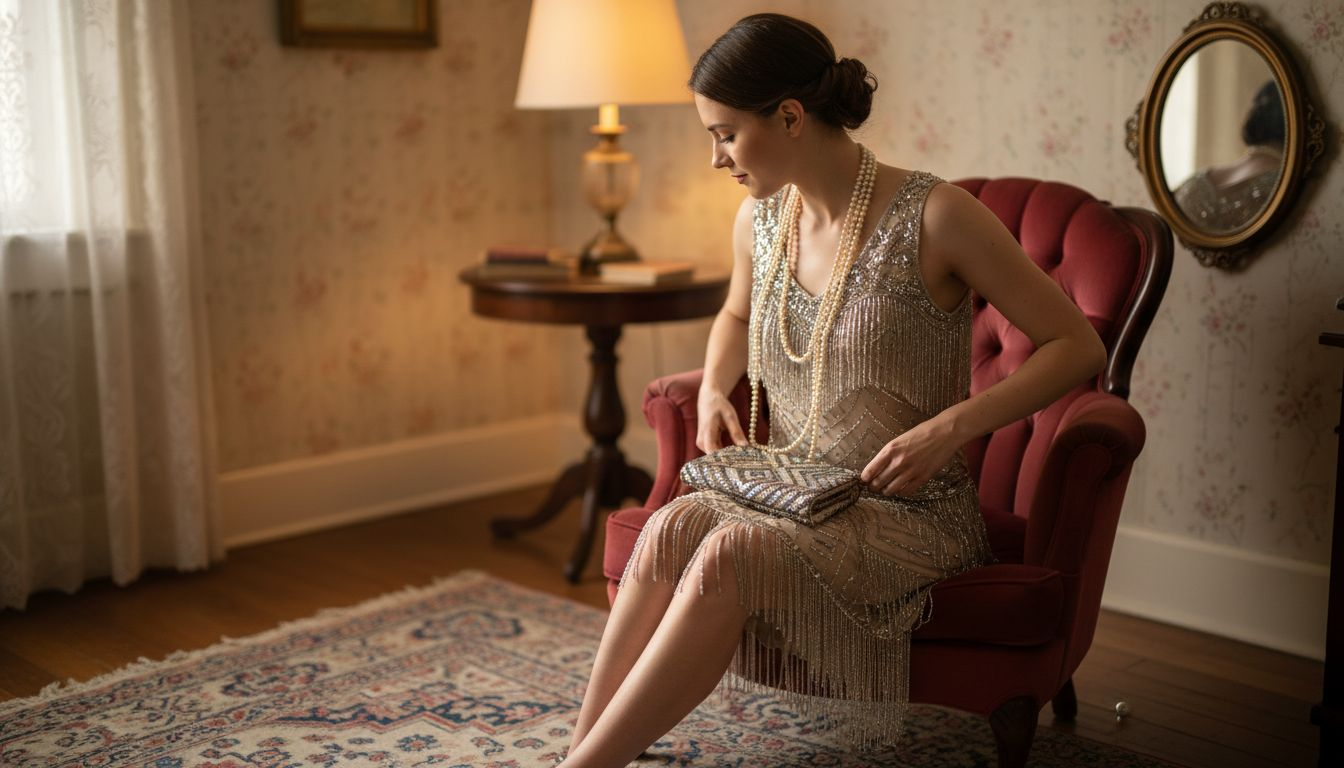
This contrast between restrained daywear and opulent eveningwear reflected women’s dual realities. By day, they were practical professionals. By night, they were unapologetic about their desire for luxury and celebration.
The Cloche Hat and Hair Revolution
No 1920s look was complete without the cloche hat pulled low over the eyes. This small piece of millinery symbolized the larger shift toward practicality. Women cut their hair into the bob—a shocking departure from the long locks of the Victorian era.
The bob served multiple purposes:
Signaled liberation from traditional femininity standards
Proved practical for active, working women
Photographed beautifully in the emerging media landscape
Required courage and willingness to defy convention
Accessories That Defined an Era
Long pearl necklaces draped down the body, sometimes reaching the hip or even lower. These weren’t delicate jewelry pieces—they were bold statements. Fur-trimmed coats added warmth and luxury, while T-strap shoes enabled dancing all night.
Women understood that accessories could transform a look entirely. A simple dress became glamorous through the right necklace, shoes, and hat combination. This principle remains central to how you might approach 1920s-inspired styling today.
The 1920s proved that accessories aren’t afterthoughts—they’re the foundation of personal style and expression.
Men’s Fashion Relaxed Too
It wasn’t just women reinventing style. Men’s fashion embraced casual suits and sporty elements that moved away from rigid formality. Relaxed silhouettes and less structured tailoring reflected the broader cultural shift toward informality.
Here’s a side-by-side look at how 1920s fashion for women and men reflected broader social changes:
Aspect | Women’s Fashion | Men’s Fashion |
Silhouette | Straight, loose, dropped waist | Relaxed suits, less structure |
Key Materials | Silk, rayon, sequins | Wool, tweed, cotton blends |
Symbolism | Independence, defiance, mobility | Informality, modernity, leisure |
Impact | Enabled workforce participation | Reflected shift from formality |
Pro tip: When building a 1920s-inspired collection, focus on investing in one quality statement piece—whether a beaded dress, elegant cloche hat, or long strand of pearls—and build your wardrobe around it rather than trying to copy the entire era at once.
Societal Shifts and Women’s Changing Roles
Fashion didn’t simply change in the 1920s—society changed, and fashion followed. The clothing women wore became a battleground for ideas about freedom, independence, and what it meant to be modern. Understanding this connection helps you see why these styles matter so much today.
The Fight for Political Power
Women gained the right to vote in 1920 with the passage of the Nineteenth Amendment in America. This wasn’t just a political victory; it fundamentally altered how women saw themselves and their place in society. Fashion became one way women celebrated and expressed this newfound power.
The timing was crucial. New voting rights arrived just as hemlines rose and corsets disappeared. These weren’t coincidences—they were interconnected expressions of liberation.
From Restriction to Workforce Participation
World War I had forced women into jobs previously closed to them. After the war, many refused to return home quietly. Women’s workforce participation became normalized across classes and professions.
This economic shift demanded practical clothing. Women couldn’t work in factories or offices while wearing restrictive corsets and layers. Fashion responded by offering:
Loose, comfortable silhouettes allowing unrestricted movement
Shorter hemlines enabling active work and leisure
Simplified construction reducing maintenance time
Affordable options for working-class women
The Flapper as Cultural Icon
The flapper represented something revolutionary: a woman who answered to no one but herself. She rejected traditional gender norms through both fashion and behavior. Short skirts, bobbed hair, smoking, and jazz dancing became acts of defiance.
This wasn’t rebellion for its own sake. It was women insisting they had the right to move their bodies, express themselves, and live without Victorian constraints. Fashion was their language.

Economic Independence and Self-Expression
Women earning their own money could make their own fashion choices. They weren’t obligated to wear what fathers or husbands demanded. This economic autonomy translated directly into visual independence on the streets.
The ability to dress differently meant something profound. It signaled that you worked, that you made decisions, that you controlled your own destiny. Fashion became a declaration of economic participation.
Women in the 1920s understood what we sometimes forget today: clothing is power, and how you dress is a form of self-determination.
Urban Culture and Acceleration
Cities became laboratories for social change. New technologies, media, and urban density accelerated cultural transformation faster than rural areas could absorb it. Young women in cities adopted flapper styles while their counterparts in small towns wore more traditional clothes.
This geographic divide reflected real differences in economic opportunity, media exposure, and social acceptance. Fashion followed opportunity, always.
Pro tip: When you invest in pieces inspired by the 1920s aesthetic, choose styles that honor that era’s core value: clothing that allows you to move, work, and live fully without restriction or apology.
Lasting Impact on Modern Luxury Fashion
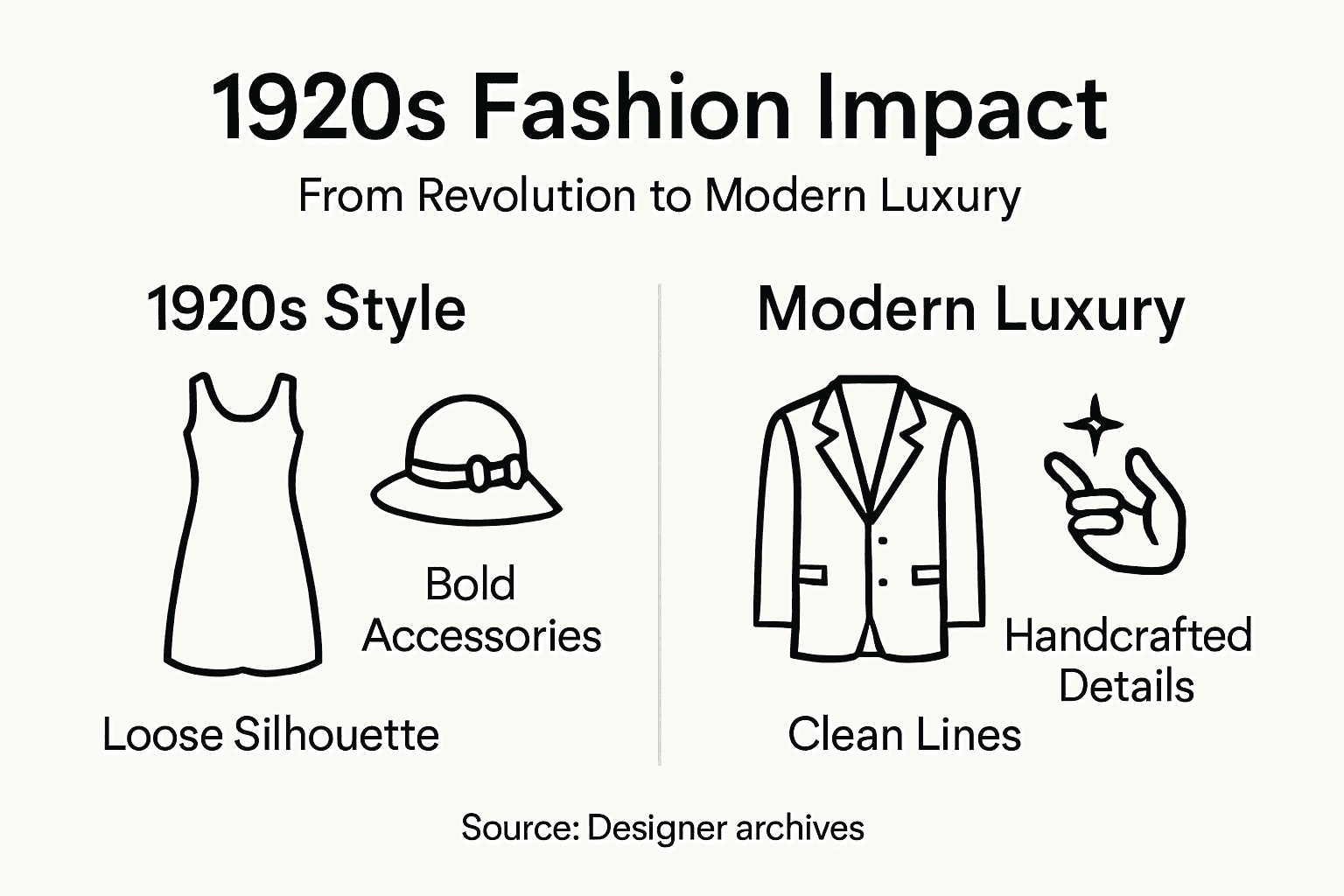
The 1920s didn’t just create a moment in fashion history—they established principles that luxury designers still follow today. Nearly a century later, contemporary fashion houses continue referencing that era’s aesthetic, proving its influence was foundational rather than fleeting.
Simplicity with Purpose
Coco Chanel understood something revolutionary: luxury didn’t require excessive decoration. She proved that refined elegance could emerge from simplicity and functionality combined. This philosophy remains central to modern luxury design.
Today’s high-end designers inherit her legacy every time they choose clean lines over clutter. When a contemporary luxury brand strips away unnecessary elements to highlight quality craftsmanship, they’re applying a principle Chanel established decades earlier.
The Art Deco Influence Persists
Art Deco embellishments transformed evening wear in the 1920s and continue inspiring luxury collections. Geometric patterns, beadwork, and metallic details appear across contemporary runways. Designers recognize what the 1920s made clear: ornamentation serves a purpose when it’s thoughtful and intentional.
Modern luxury fashion often features:
Geometric beadwork on evening gowns
Dropped waistlines and bias-cut silhouettes
Art Deco-inspired jewelry and accessories
Luxurious materials like silk and crystal embellishments
The Functionality-Glamour Balance
The 1920s established a blueprint that modern luxury still follows: pieces should work beautifully both practically and aesthetically. Contemporary luxury fashion continues this dialogue between wearability and splendor.
You see this balance in designer collections that feature elegant daywear suitable for professional environments alongside sophisticated evening pieces. The era proved these weren’t opposing goals—they complemented each other.
Accessibility Within Exclusivity
The 1920s made fashion more accessible while maintaining luxury appeal. Modern brands face the same challenge: creating exclusive pieces that feel relevant to contemporary life. The decade’s approach—offering quality at various price points without sacrificing aesthetics—still guides premium fashion houses.
The 1920s proved that true luxury lies in understanding what women actually need, not what tradition demands they wear.
Material Excellence and Craftsmanship
Silk, beading, and rhinestones became hallmarks of 1920s luxury. Contemporary designer collections still prioritize these materials because they communicate quality and sophistication. Italian craftspeople, in particular, have preserved techniques developed during this era, maintaining standards of excellence that define modern luxury.
When you invest in handcrafted pieces today, you’re often benefiting from methods refined during the 1920s renaissance of luxury fashion.
Modern Collections Reference the Era Constantly
Look at luxury fashion weeks globally, and you’ll notice consistent references to 1920s aesthetics. Dropped waists, beaded details, and geometric patterns appear season after season. Designers understand this era represents a pinnacle of elegance that transcended time.
Explore how the legacy of 1920s fashion principles continues to influence modern luxury brands:
1920s Principle | Modern Luxury Impact | Example Today |
Simplicity | Emphasized tailored lines | Minimalist designer dresses |
Art Deco Motifs | Inspires adornment | Geometric jewelry, beading |
Functionality | Blends style and comfort | Work-to-evening outfits |
Accessible Luxury | Broader ownership | Diffusion lines by designers |
This isn’t imitation—it’s recognition that the 1920s solved fundamental questions about what makes clothing timeless.
Pro tip: When selecting modern luxury pieces inspired by 1920s design, prioritize those emphasizing handcrafted details and quality materials over fast reproductions, as authentic pieces honor the era’s commitment to lasting elegance and superior craftsmanship.
Embrace Timeless Elegance Inspired by the 1920s Fashion Revolution
The 1920s taught us that true style means freedom, movement, and bold self-expression. If you are seeking luxurious fashion that combines simplicity with glamour like the iconic flapper dresses and Art Deco details, your journey begins here. At Vivien Lauren, we bring you handcrafted designed in Italy, made in Europe apparel with Italian fabrics, and accessories designed and handcrafted in Italy using crftsmanship passed down over generations. Our fashion investment pieces echo the craftsmanship and Timeless sophistication of this transformative era.

Elegant Timeless Pleated Dress on Vivien Lauren 
Luxury Mini Bags crafted from Italian Leather and Bamboo 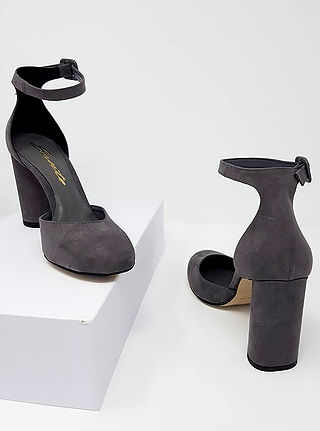
Handmade Velvet Grey thin strap block heel shoes by Vivien Lauren
Discover collections that prioritize comfort without sacrificing elegance just as Coco Chanel pioneered nearly a century ago. Whether you want to celebrate your independence with statement pieces like beaded dresses or add timeless accessories reminiscent of the 1920s cloche hats and pearls, our curated selections empower you to live and move freely. Explore our range today and experience how enduring style can be both practical and exquisite. Start your fashion revolution now at Vivien Lauren and redefine modern luxury on your own terms.
Frequently Asked Questions
What was the significance of the flapper dress in the 1920s?
The flapper dress symbolized women’s liberation, featuring dropped waistlines, knee-length hemlines, and loose-fitting cuts that allowed for free movement, reflecting a cultural shift towards independence and modernity.
How did World War I influence women’s fashion in the 1920s?
World War I altered social structures and gave women greater freedom, leading to a rejection of restrictive clothing like corsets. The era embraced comfort and functionality through simpler silhouettes, enabling women to participate more actively in society.
What role did Coco Chanel play in the fashion revolution of the 1920s?

Coco Chanel was a pioneering designer who introduced a more relaxed and functional aesthetic. She emphasized simplicity and comfort, proving that elegance could be achieved without elaborate decoration, which resonated with women’s desires for mobility and independence.
How did the cultural context of the 1920s shape fashion trends?
The cultural context of the 1920s, marked by women’s suffrage, economic independence, and urbanization, significantly influenced fashion trends. As women gained new roles in society, their clothing evolved to reflect their ambitions, leading to styles that embodied freedom and modern femininity.
Recommended
This fashion piece which pulls Timeless inspirations from Coco and the 1920s to our fashion world today has been authored and brought to you by Chloe. For Vivien Lauren. Vivien Lauren. Luxury. Craftsmanship that's Proudly Italian. Vivien Lauren Proud To Style.


