
Why luxury apparel stands out: secrets of timeless style
TL;DR:
Luxury is defined by craftsmanship, rarity, timeless design, and subtle elegance, not just high prices. High-quality craftsmanship involves extensive labor, attention to detail, and superior materials, ensuring durability and timeless appeal. True luxury emphasizes personal meaning and quiet confidence over conspicuous branding and passing trends.
There is a persistent and rather seductive misconception circulating in the world of fashion: that a steep price tag is, in itself, proof of luxury. Many women have purchased something breathtakingly expensive, only to find it loses its shape after a season, fades after a few washes, or feels oddly hollow in the wearing. True luxury apparel is something far more nuanced, far more earned. It is defined not by cost alone, but by craftsmanship, scarcity, timeless design, and the quiet psychology of subtle elegance. In the pages that follow, we will explore each of these pillars in depth, offering you a richer, more discerning lens through which to view your wardrobe investments.
Table of Contents
Key Takeaways
Point | Details |
Exceptional craftsmanship | Handmade techniques and artisan skill make luxury apparel more durable and beautiful than mass-market clothing. |
True exclusivity | Limited supply and rarity create lasting value that fast fashion cannot match. |
Timeless design | Luxury clothing stands out for classic styles and high-quality materials that look stunning for years. |
Quiet luxury trend | Today’s most fashionable women seek subtle, confident self-expression over flashy logos. |
Sustainable investment | Investing in luxury pieces means less waste, lower cost-per-wear, and pieces you’ll love for decades. |
The art of craftsmanship: Why handmade luxury matters
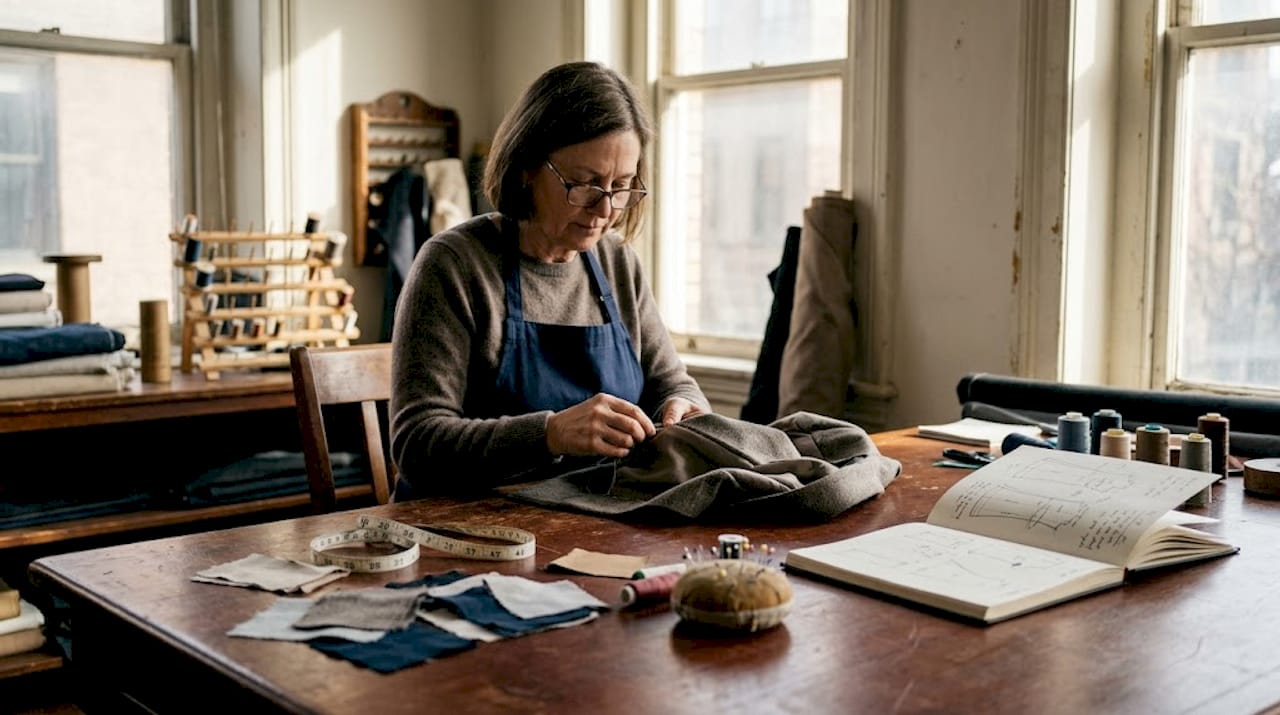
After setting the stage for why not all expensive clothing is genuinely ‘luxury,’ let us examine the defining factor: craftsmanship. At its most essential, craftsmanship is the marriage of skill, patience, and intention. It is what separates a garment that is merely assembled from one that is genuinely created. In craftsmanship in luxury fashion, this distinction is not merely philosophical; it is measurable, tangible, and deeply felt the moment you slip a well-constructed piece onto your shoulders.
Consider the numbers. Handmade jackets take up to 80 hours and involve as many as 10 craftsmen working in concert, each contributing a specialized skill to the finished piece. This is not efficiency for its own sake; it is devotion to excellence. Each seam is pressed by hand, each button carefully aligned, each lining cut on the bias to ensure it moves with the body rather than against it. Luxury apparel stands out through superior craftsmanship, particularly in handcrafted Italian pieces, where meticulous hand-stitching, bespoke cutting, and extensive labor hours are not exceptions but expectations.
The contrast with mass production is stark. A factory-produced garment might be completed in minutes, its seams overlocked at speed, its fabric chosen for cost rather than quality. The result is a piece that looks appealing on a hanger but rarely survives the test of time, or even the test of a full season’s wear.
Feature | Handcrafted luxury | Mass production |
Construction time | 40 to 80+ hours | Minutes to hours |
Craftsmen involved | Up to 10 specialists | Automated or minimal |
Seam finishing | Hand-stitched, reinforced | Machine overlocked |
Fit precision | Bespoke or semi-bespoke | Standardized sizing |
Longevity | Decades with care | 1 to 3 seasons |
Signs of quality craftsmanship to look for:
Consistent, tight stitching with no loose threads
Pattern matching at seams (checks and stripes align perfectly)
Smooth, flat seams on the inside of the garment
Weighted, hand-sewn buttons with reinforced shanks
A lining that moves freely and does not pull
Fabric that drapes rather than stiffens
Pro Tip: When shopping for luxury pieces, turn the garment inside out before anything else. The interior of a truly handcrafted item is almost as beautiful as the exterior, with clean finishes, careful construction, and no raw edges in sight. You can also explore the handcrafted leather detail and luxury fabric creation that go into each piece for a deeper appreciation of what you are investing in.
Italy, in particular, carries a heritage of artisan excellence that is unmatched. The country’s fashion houses have, for generations, passed down techniques that cannot be replicated by a machine or rushed by a deadline. When you wear a piece from an artisan clothing collection rooted in this tradition, you are wearing history as much as fabric.
Exclusivity and scarcity: The power of owning the rare
While craftsmanship builds the foundation, true luxury’s allure is amplified by what few can own. Exclusivity is not simply about limiting supply; it is about creating a sense of meaning around ownership. When a piece is rare, it carries a weight that mass-produced items simply cannot replicate.
Exclusivity via scarcity and limited supply creates desire and value retention, especially for timeless pieces that transcend seasonal trends. The numbers speak clearly: Chanel Classic Flap prices doubled from 2019 to 2025, driven precisely by the brand’s deliberate scarcity strategy. This is not inflation; it is the economics of desire.
Item | Approximate value increase (2019 to 2025) | Market type |
Chanel Classic Flap | ~100% increase | Luxury, limited production |
LV Neverfull | 158% value retention | Luxury, waitlisted |
Zara statement coat | Minimal to none | Mass market |
H&M collaboration piece | Drops sharply post-season | Fast fashion |
The timeless fashion selection process at the finest houses is built around this principle. Pieces are not produced in abundance; they are curated, numbered, and released with intention. This is why a well-chosen luxury garment often appreciates rather than depreciates.
Signs that a piece is truly exclusive:
Limited production runs or numbered editions
Waitlists or by-appointment purchasing
Provenance documentation or certificates of authenticity
Absence of mass-market retail distribution
Consistent brand heritage without trend-chasing
There is, however, an important nuance worth acknowledging. When luxury houses over-collaborate with fast fashion brands or flood the market with logo-heavy accessories, they risk diluting the very exclusivity that made them desirable. True timeless luxury in fashion resists this temptation, choosing depth over reach and meaning over volume.
Timeless design and material quality: Outlasting fast fashion
Ownership is only part of the story. Let us see why luxury pieces transcend fleeting trends and, in doing so, represent a far wiser investment than their fast fashion counterparts.
A design earns the word timeless not by being boring, but by being resolved. It fits well, flatters the silhouette without forcing it, and works across contexts, seasons, and years. The fabric chosen is never an afterthought. Luxury apparel uses higher GSM fabrics and reinforced seams, meaning the garment holds its structure and drape long after lesser pieces have pilled, stretched, or faded.
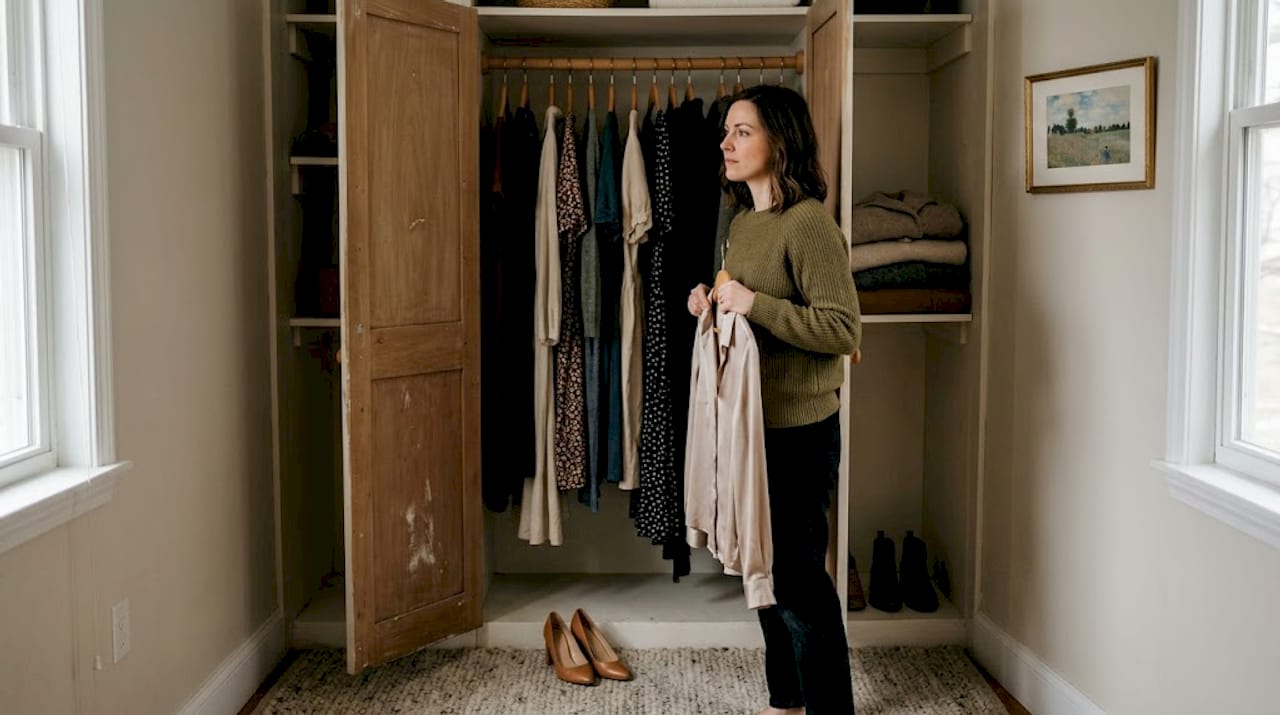
GSM, or grams per square meter, is a measure of fabric weight and density. A higher GSM typically signals a richer, more durable textile. Natural fibers such as cashmere, silk, and fine wool breathe, age gracefully, and respond beautifully to the body’s warmth. Synthetic alternatives, however cleverly marketed, rarely achieve the same quality of experience.
| Item | Cost | Estimated wears | Cost per wear | |—|—|—| | Luxury wool coat ($1,200) | $1,200 | 200+ | ~$6.00 | | Fast fashion coat ($80) | $80 | 15 to 20 | ~$4.50 to $5.33 | | Luxury silk blouse ($400) | $400 | 100+ | ~$4.00 | | Fast fashion blouse ($25) | $25 | 8 to 10 | ~$2.50 to $3.13 |
Note: Timeless design and high-quality materials ensure longevity, outperforming fast fashion in durability and cost-per-wear over any meaningful time horizon. The gap widens considerably when you factor in replacement costs and environmental impact.
Steps for evaluating longevity when shopping:
Check the fabric composition label: prioritize natural fibers above 80% content.
Examine the seam allowance inside the garment; wider allowances allow for alterations.
Test the drape by holding the fabric up to light; quality textiles fall smoothly.
Look for reinforced stress points at pockets, buttons, and cuffs.
Research the brand’s heritage and production practices before purchasing.
Pro Tip: Ask the retailer or brand directly about the fabric’s GSM and origin. A brand confident in its materials will answer without hesitation. Explore timeless Italian style and timeless trends for further guidance on building a wardrobe that endures.
Quiet luxury and personal expression: Fashion’s new status symbol
Not all luxury screams for attention. Today’s truest statement is far more subtle, and far more powerful for it.
Quiet luxury is a philosophy as much as an aesthetic. It is the art of communicating refinement through fit, fabric, and restraint rather than through visible logos or conspicuous branding. It has emerged as the defining sensibility of the most discerning women in fashion, particularly those aged 25 to 45 who have moved beyond the need for external validation and toward something more personal, more enduring.
“True elegance is refusal.” Coco Chanel’s words resonate as powerfully today as ever, capturing the essence of what quiet luxury represents: the confidence to say less and mean more.
Quiet luxury appeals to women through subtle self-expression and the psychology of confidence without logos. It is not about invisibility; it is about intentionality. The woman who chooses a beautifully cut cashmere coat in a warm neutral is making a statement that no logo could articulate.
Focus on fit, fabric texture over trends is central to this movement, with neutrals, cashmere, and fine wool forming the quiet vocabulary of this style language.
Ways quiet luxury empowers personal style:
Encourages investment in fewer, better pieces
Builds a wardrobe that reflects your values, not seasonal trends
Creates a consistent, recognizable personal aesthetic
Shifts focus from brand recognition to personal confidence
Supports slow fashion and conscious consumption
For those investing in Italian artisan wear, quiet luxury is not a trend to follow but a natural expression of what handcrafted, considered fashion has always been. It is, in many ways, the philosophy that Italian fashion was built upon.
A fresh perspective: Why true luxury is about meaning, not price
Having explored each pillar of standout luxury, here is a candid view from within the world of refined style. We believe the most important shift a fashion-conscious woman can make is to stop asking how much does this cost? and start asking what does this mean to me?
The pursuit of status through logos is, if we are honest, a kind of borrowed confidence. It fades. What endures is the beauty and timeless luxury of a piece that tells part of your story, that fits your body as though it were made for you alone, that improves with age as you do.
We have seen women spend extraordinary sums on pieces that brought them no lasting joy, and we have seen others invest thoughtfully in a single exquisite Italian dress that they wore with pride for a decade. The difference was never the price. It was the meaning. True luxury, in our view, is always personal. It is the quiet satisfaction of knowing that what you wear reflects who you are, not what you spent.
Shop distinctive, handmade luxury pieces
Ready to bring these principles into your wardrobe? The Vivien Lauren collection is curated with exactly these values at its heart: exceptional craftsmanship, genuine exclusivity, and designs that honor the Italian tradition of slow, considered fashion.
Whether you are searching for elegant occasion dresses that move with effortless gracefulness or a handcrafted leather accessory that will only grow more beautiful with time, each piece in our collection is chosen to reflect the principles explored here: quality that endures, design that transcends, and a sense of personal expression that no trend can diminish. We invite you to explore, to discover, and to invest in pieces that truly belong to you.
Frequently asked questions
What makes luxury apparel different from premium brands?
Luxury apparel stands out for its artisan-level craftsmanship, limited production, exclusive materials, and longevity that premium brands rarely match. As handcrafted Italian pieces demonstrate, the distinction lies in the depth of skill and intention behind every seam.
How does owning luxury clothing support sustainability?
By lasting far longer than fast fashion, luxury items reduce textile waste and encourage more thoughtful, fewer purchases. A luxury jacket worn 100 times costs around $5 per wear, compared to $7.50 or more for a fast fashion equivalent worn only a handful of times.
Why are Italian clothes considered the pinnacle of luxury?
Italy’s luxury dominance comes from a heritage of skilled artisanship, premium materials, and an industry focus on clothing excellence. The Italian luxury goods market is driven by a craftsmanship heritage that has been refined and passed down across generations.
Does luxury always mean classic design?
Not always, but timeless design and material quality are core to pieces that hold their value and style for years. High-quality materials ensure longevity, outperforming fast fashion in durability and cost-per-wear regardless of whether the silhouette is classic or inventive.
Is luxury apparel worth the investment for women under 40?
Yes. Carefully chosen luxury pieces offer personal expression, confidence, and longevity that fast fashion cannot provide. Research shows that need for uniqueness drives purchases more than scarcity alone, amplified by a genuine desire for authenticity among younger demographics.
Recommended
This fashion piece has been written by Sammy Li. On behalf of Vivien Lauren. Vivien Lauren. Luxury. Craftsmanship that's Proudly Italian. Vivien Lauren. Proud to Style.

