
Cocktail Attire for Women: The Complete Style Guide

Cocktail attire for women means a semi-formal, evening-leaning dress code built for early-evening celebrations: cocktail hours, rehearsal dinners, holiday parties, gallery openings. The uniform is a knee-to-mid-calf dress, jumpsuit, or tailored separates in a fabric with real presence, such as silk, satin, crepe, velvet, or lace, finished with polished footwear. Here is the checklist we return to, again and again, when we can’t quite decide what an invitation is asking of us: dressy fabric, a considered hemline, and shoes that mean it.
Key Takeaways
Cocktail attire succeeds when fabric quality, a knee-to-mid-calf hemline, and intentional footwear work together within a polished, semi-formal silhouette.
Point | Details |
Fabric decides the dress code | Choose silk, satin, crepe, velvet, or lace over cotton, jersey, or denim. |
Hemline stays in range | Aim for just above the knee to mid-calf; save floor-length gowns for black tie. |
Shoes must read as intentional | Heels, dressy flats, or heeled boots work, with block heels smart for outdoor venues. |
Etiquette rules still apply | Avoid white, ivory, or cream at weddings unless the invitation says otherwise. |
Vivien Lauren offers a fabric-first shortcut | Its dresses, bags, and shoe collections are curated around the same craftsmanship standard this guide recommends. |
Table of Contents
What Does Cocktail Attire Look Like Today?
The cocktail dress code has loosened its corset, so to speak, since Christian Dior first popularized the term in the late 1940s to describe a frock cut for the transitional hours between afternoon and formal evening, according to British Vogue. What sits between semi-formal and black tie today is far more expressive: editors now encourage texture, color, and inventive proportion within a silhouette that still holds its shape, notes Marie Claire.
A handful of silhouettes never fail you:
A little black dress in midi length, the closest thing fashion has to a universal language
A bias-cut slip dress in satin, which reads dressy the moment it catches light
A fit-and-flare dress that skims rather than clings
A jumpsuit with a fluid leg and a defined waist
Tailored separates or a trouser suit in a fabric with weight and drape
Hemline and fabric work as a pair, not in isolation. Guidance across style authorities settles on a hemline just above the knee to mid-calf, since anything longer drifts toward black tie territory and anything shorter can undercut the polish the dress code asks for. A knee-length hem in stiff cotton looks like a work dress; the same hemline in silk crepe looks like an invitation was taken seriously.
Fabric is the real decision. Silk, satin, crepe, velvet, and lace all carry the sheen or structure that signals occasion dressing, while jersey, cotton, and denim tend to read as daywear even when the cut is elegant, according to Luxe Digital. The one exception worth knowing: a heavyweight, beautifully tailored cotton suit can cross over if the fit is architectural enough to compensate for the humbler cloth. Our midi dress edit leans into exactly this fabric-first logic.
Cocktail Dressing Dos and Don’ts
Ambiguous invitations create more wardrobe anxiety than almost anything else in a woman’s closet. A short rule set solves most of it.
Let fabric lead. If you’re torn between two dresses of similar cut, choose the one in silk, satin, or velvet over cotton or jersey.
Wear one statement piece, not five. A striking earring or a sculptural clutch does more work than a dress, bag, and shoes all competing for attention.
Read the venue before the dress code. A marquee wedding on grass calls for different footwear than a hotel ballroom, even under the same cocktail attire instruction.
Skip jeans, trainers, and anything gym-adjacent. These read as a different dress code entirely, no matter how expensive the sneaker.
Avoid floor-length gowns. They belong to black tie, and wearing one to a cocktail event can make you look overdressed rather than elegant.
Save white, ivory, and cream for the bride. Wedding etiquette still holds firm here unless the invitation explicitly says otherwise, a point British Vogue also flags as a recurring faux pas.
Adjust for daylight. A daytime cocktail event (a garden reception, a lunchtime engagement party) calls for slightly softer fabrics and lighter tones than an after-dark version of the same dress code.
Shoes and Accessories for Cocktail Attire
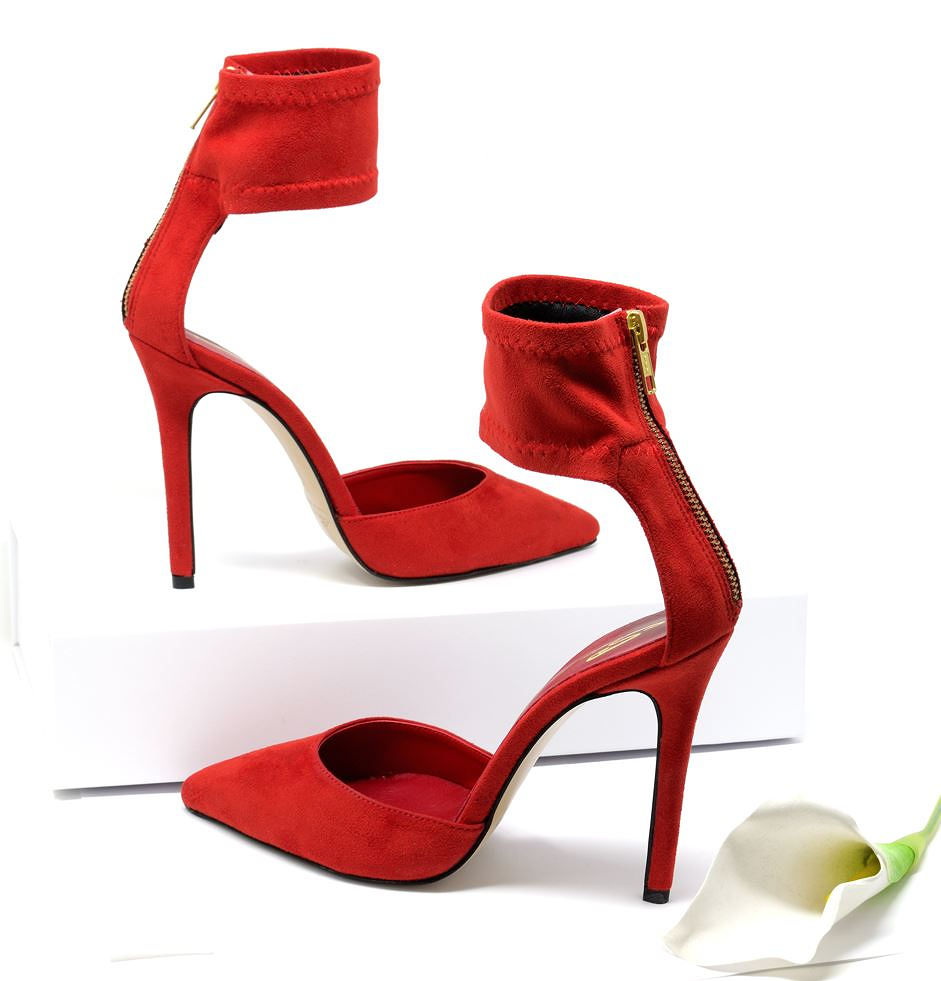
Footwear is where cocktail attire earns its polish. Heels, dressy flats, or heeled boots are the standard reference points, and block heels or embellished flats are entirely legitimate substitutes when a garden, a cobbled courtyard, or a long night on your feet makes stilettos impractical, according to Cosmopolitan UK. Comfort-forward choices only undercut the look when they arrive without intention; a scuffed ballet pump reads differently than a polished, embellished flat chosen on purpose.
Accessories follow a similar restraint principle:
A clutch or a small mini bag, never a tote or an everyday shoulder bag
One statement jewelry moment (a cuff, a chandelier earring, a striking ring) rather than several competing pieces
A wrap or tailored coat that matches the formality of the dress underneath, not a casual jacket thrown over it
Grass, gravel, and cobblestones deserve a shoe with a wider heel base or a low block heel; a four-inch stiletto sinking into a lawn is a memory nobody wants from a garden wedding. Our shoe collection is built around exactly this range, from evening heels to dressy flats that hold up on uneven ground.
Pro Tip: Walk a full flight of stairs in new heels before the event, not just across a shop floor. Comfort at a standstill and comfort three hours into a reception are two very different tests.
Jumpsuits, Tailored Separates, and Modern Suiting
A dress is not the only route to cocktail-appropriate. A well-cut jumpsuit in a luxe fabric, satin, crepe, or a fluid velvet, meets the dress code just as fully, provided the waist is defined and the fabric has enough drape to move rather than stiffen. The same goes for a trouser suit: fit and fabric do the heavy lifting here, and a boxy, workwear-style blazer will never read as evening no matter how expensive it was.

Three adjustments turn separates from office wear into cocktail wear:
Choose a fabric with visible sheen or fluidity, not a matte, structured suiting cloth
Add a feminine detail, a plunging neckline, a sheer camisole underneath, a statement cuff, so the tailoring doesn’t read too corporate
Swap flat loafers for a heeled sandal or a sleek pump to shift the register from daytime to evening
Editors increasingly point to texture and tailored proportion as the two levers that make separates read as occasion dressing rather than office dressing, a distinction Marie Claire makes explicitly when discussing how far the code has evolved. A silk trouser paired with a satin camisole and a sculptural earring will outdress a mediocre dress every time.
Vivien’s Fabric-First Shopping Checklist
We built Vivien Lauren around a simple conviction: fabric decides an outfit’s fate long before cut does. Before you buy, check the label for fiber content, run your fingers along the inside seams for stitch density, and hold the fabric to light to see how it falls. A garment with proper lining moves differently on the body than one that clings or creases within an hour.
Look for even sheen across the fabric surface, a consistent weave on the reverse side, quality lining, and discreet but sturdy stitching at every seam. These small details are what separate a piece that photographs beautifully at 9pm from one that already looks tired by 7.
Handcrafted construction shows itself in exactly these small ways, in a hem that doesn’t pucker, a lining that doesn’t bunch, a seam that survives a full evening of dancing.
Pro Tip: Crease-test any fabric before buying: scrunch a corner in your hand for ten seconds and release it. Silk crepe and good satin recover almost instantly; cheaper polyester blends hold the wrinkle.
Choosing Cocktail Attire for Your Body Type
Flattering cocktail attire has less to do with covering or revealing and more to do with placing emphasis where you want the eye to land. A fit-and-flare silhouette works generously across body types because it nips the waist and releases through the skirt, creating shape without clinging. If you’re fuller through the middle, a wrap-style bodice or a draped crepe fabric does the same flattering work as tailoring without a single dart.
Taller frames can carry a slip dress or a bias cut with real ease, since the fabric has room to move without overwhelming the frame. Petite frames often do better in a midi rather than a full-length hem, since a shorter cocktail length keeps proportions balanced and avoids the swamping effect a longer skirt can create. If your priority is arm coverage, a structured three-quarter sleeve in crepe or a light jacket over a slip dress solves it without resorting to fabric that reads as daywear.
The honest truth is that fit matters more than size labels. A dress that’s cut generously through the hip and nipped precisely at the waist will outperform a “flattering cut” that’s simply the wrong size for your frame. Tailoring, even a quick nip at a local seamstress, is often the difference between an outfit that fits the occasion and one that merely fits the body.
Dressing for Cocktail Events Across the Seasons
Cocktail attire has to answer to weather as much as to formality. In warmer months, lighter-weight silk, crepe de chine, and linen-silk blends hold the drape the dress code demands without trapping heat, and a sleeveless or short-sleeve cut works fine as long as the fabric itself carries enough sheen or structure to stay dressy.
Cooler months call for texture rather than more coverage. Velvet is arguably the season’s best-kept secret here: it reads as luxurious, holds warmth, and photographs beautifully under low evening light, which makes it a natural choice for winter cocktail parties and holiday events. A silk dress can still work in colder weather if you layer it correctly, a tailored wool coat over the top, sheer tights underneath, rather than defaulting to a heavier fabric that changes the whole character of the outfit.
Outdoor cocktail events, garden receptions, marquee weddings, rooftop parties, need a slightly different calculation. A light wrap or shawl in silk or cashmere covers both the temperature drop after sunset and the practical need to move across grass or gravel without a coat bulking up the silhouette. Rain is the real wildcard: a structured trench in a rich color can sit over a cocktail dress without looking like an afterthought, provided it’s tailored rather than boxy.
Color and Pattern Choices for Cocktail Attire
Cocktail dressing gives you more room to play than almost any other dress code, and color is where that shows most. Jewel tones, emerald, sapphire, garnet, have become a near-default for evening cocktail events because they read as rich under artificial light in a way that pastels simply don’t. Black remains the reliable anchor, not because it’s safe, but because a black dress in the right fabric photographs well in every lighting condition a venue throws at it.
Pattern works best in small doses within cocktail dressing. A subtle jacquard, a tonal floral, or a fine lace overlay adds dimension without competing with the occasion itself, while a large, high-contrast print can tip a look toward casual daywear regardless of the fabric underneath. Metallics, a bronze slip dress or a pewter satin, sit comfortably between color and pattern and tend to photograph exceptionally well at evening events with low, warm lighting.
The one color note worth repeating from the etiquette side: white, ivory, and cream are the bride’s territory at weddings unless she has said otherwise, a rule that holds regardless of how flattering the shade is on you.
Hair and Makeup That Complete a Cocktail Look
The dress does most of the talking, but hair and makeup decide whether the whole look feels finished or half-done. A polished low bun or a sleek blowout tends to read as more formal, while soft waves or a half-up style suit daytime cocktail events or outdoor receptions where a rigid style would feel too stiff.
Makeup follows the same logic as fabric: a little more intensity than daytime, without tipping into costume. A defined eye, a soft smoky shadow or a precise liner, paired with a stronger lip than you’d wear to the office, does the job for evening events. Daytime cocktail parties call for a lighter hand, dewy skin, a flushed cheek, a lip that reads more like your own color intensified. Skin prep matters more than most people expect for these events specifically, since flash photography at cocktail hours is unforgiving to anything less than a well-set base.
Celebrity and Influencer Cues for Cocktail Dressing
Red carpet cocktail moments have shifted the whole conversation over the past few seasons, largely because celebrities now treat the cocktail dress code as a chance for personality rather than uniform compliance. The satin slip dress with a single striking earring has become something of a signature look across award-season cocktail parties, precisely because it requires almost no additional styling to look considered.
Influencer style has pushed the jumpsuit further into cocktail territory than traditional style guides once allowed, particularly a wide-leg satin jumpsuit paired with a structured clutch and a strong shoe. What both camps share is restraint in accessories: one earring, one bag, one shoe moment, rather than a full accessory set competing with a fabric that’s already doing the work.
Cultural and Regional Notes for Cocktail Dressing
Cocktail attire reads slightly differently depending on where the event sits geographically, and the smart move is to calibrate rather than default to one interpretation everywhere. A cocktail invitation in a warmer climate often assumes lighter fabrics and shorter sleeves as standard, while the same dress code in a cooler region assumes some form of coat or wrap is built into the outfit from the start.
Religious and cultural weddings frequently layer additional expectations onto the base cocktail dress code, modest shoulder coverage at a church ceremony, or specific color associations tied to the culture hosting the event. When in doubt, a quick note to the host or a glance at regional wedding guidance, like our own notes on dressing for formal events, solves more uncertainty than guessing. Outdoor venues also carry their own regional quirks: a countryside marquee wedding in one region might assume flat, grass-appropriate shoes as a given, while an urban rooftop cocktail party assumes heels are the default. Reading the venue and the region together, rather than the dress code alone, is what actually prevents an outfit misstep.
Vivien Lauren’s Point of View on Cocktail Dressing and Longevity
We think about cocktail dressing the way we think about most things at Vivien lauren: craftsmanship first, trend second. A well-made silk midi dress or a hand-finished leather bag earns its place in a wardrobe by outlasting whatever’s fashionable this particular season, which is exactly the quiet luxury instinct we try to build into every cocktail-ready piece we curate. Trend can inform a detail, a sleeve, a hem, but fabric and construction decide whether you’ll still reach for that dress in five years.
Where to Start Shopping for Cocktail-Ready Pieces
Vivien Lauren exists for exactly the reader who has just finished this guide and wants the shortcut from theory to closet. Our curated edit runs across three categories that map directly onto everything above: midi dresses in silk and crepe, hand-finished leather bags sized for evening, and shoes built to carry you from cobblestones to a dance floor without a single blister.

Start with the dresses collection, where every midi and occasion piece is chosen for the fabric-first standard this guide has walked through, silk, satin, and crepe with real drape and lining that holds its shape through a full evening. Pair one with our handmade woven leather bucket bag for a considered, craft-forward finish rather than a logo-driven statement, and check the shoe edit for heels and dressy flats built for the venue considerations we’ve covered, grass, cobbles, and long nights standing. Every order over £80 ships free within the UK, and our fit notes on each product page flag exactly how a piece drapes before you buy. Browse the dresses collection now to find the piece that anchors your next cocktail invitation.
Sources
FAQ - cocktail attire women
What Does Cocktail Attire Mean for a Woman?
Cocktail attire means a semi-formal, evening-leaning dress code calling for a knee-to-mid-calf dress, jumpsuit, or tailored separates in a fabric like silk, satin, crepe, velvet, or lace, paired with polished shoes.
What Is the Cocktail Dress Code for Women?
The cocktail dress code sits between semi-formal and black tie, favoring dressy fabrics and a hemline from just above the knee to mid-calf over floor-length gowns or casual daywear.
What Is Not Appropriate for Cocktail Attire?
Jeans, trainers, athleisure, and floor-length ballgowns all fall outside cocktail attire, along with casual cotton or jersey pieces that don’t carry the sheen or structure the dress code expects.
What Is Semi-Formal Attire for Women?
Semi-formal attire for women overlaps heavily with cocktail attire; a knee or midi-length cocktail dress in silk or crepe satisfies a semi-formal invitation just as easily, according to Luxe Digital.
What Is the Cocktail Dress Code for 2026?
The 2026 cocktail dress code leans further into texture, jewel tones, and jumpsuits as dress alternatives, while still holding to the core rules of dressy fabric, a mid-length hem, and polished footwear.
Recommended

This fashion piece has been authored, and brought to you by Sammy Li. For Vivien Lauren.

