
Ultimate Dress Length Guide 2026: Find Your Perfect Hem
Updated: Sep 29

Dresses. The discussion today is not the colour. Not the neckline. The length.
A dress can be cut beautifully and made from exquisite fabric, yet still feel wrong because the hem stops in the wrong place. That's why a proper dress length guide matters. In elegant dressing, hemline isn't a minor detail. It's structure, proportion, movement, etiquette, and presence.
Italian style has always understood this. We don't dress to follow noisy rules. We dress to create a la bella figura, the beautiful impression that comes from balance, intention, and grace. The right hemline makes you look composed before you've spoken a word. The wrong one interrupts the line of the body and unsettles the entire look.
The Foundation of Elegance
Most women still shop by label first and measurement second. That's backwards. Length is a measurement problem before it is a style choice. Modern sizing only makes this clearer. The logic behind European sizing standardisation such as EN 13402 was to move fit away from vague labels and towards measurable dimensions, because a dress described as midi on a taller model can fall completely differently on another woman. In practice, garment length in inches or centimetres is the only reliable measure of where a hem will land on you, as noted in this discussion of ready-to-wear sizing history and EN 13402.
That is why disciplined women check two things before buying any dress online. First, the stated garment length. Second, the model's height. If you skip either, you are guessing.
Start with the line, not the label
A refined wardrobe isn't built by collecting random “occasion dresses”. It's built by understanding which lines serve you repeatedly. If you're refining your core wardrobe, it helps to know the timeless dress types every woman should know, because silhouette and hemline always work together.
Use this sequence every time:
Measure your own reference points. Waist to knee, waist to mid-calf, and waist to ankle.
Compare that to the product page. Never assume “midi” means the same thing from one designer to another.
Decide the desired effect. Do you want authority, ease, seduction, formality, or softness?
Choose the hem that supports the occasion. Not the trend.
Practical rule: If the product page gives only a vague length description and no actual measurement, treat the purchase cautiously.
Elegance is deliberate
The right dress length doesn't restrict you. It sharpens your judgement. Once you understand where hemlines land and what they communicate, shopping becomes calmer. You stop buying dresses that almost work. You start choosing dresses that look intentional from the first fitting.
That's the entire point of a serious dress length guide. Not more rules. Better decisions.
A Lexicon of Lengths From Micro to Maxi
Before you can choose well, you need a precise vocabulary. Women often use mini, midi, tea-length and maxi as if they were interchangeable. They aren't. Each length creates a different rhythm on the body.

The seven lengths that matter
The measurements below are best understood as practical style ranges rather than rigid laws. Designers cut differently, and the same dress can sit differently depending on waist placement and torso length.
Micro Extremely short. It sits high on the thigh and projects deliberate provocation rather than quiet elegance. Wear it only when that is the point. In most refined wardrobes, this is a niche piece, not a foundation.
Mini Short, youthful, leg-focused. A true mini sits well above the knee and works best when the rest of the styling is disciplined. Long sleeves, clean fabric, and minimal embellishment keep it polished.
Knee-length This is one of the most useful lengths a woman can own. It finishes at the knee or just around it, and it adapts beautifully to workwear, luncheons, city dressing, and understated events.
Midi The most misunderstood category. Midi usually falls below the knee and above the ankle, often somewhere on the calf. That broad range is exactly why women must shop by measurement, not label. If you want a deeper look at this family of silhouettes, this guide on what a maxi dress means in timeless style also helps clarify the longer end of the spectrum.
Tea-length Elegant, poised, and slightly nostalgic. Tea-length usually falls above the ankle with enough space to show the full shoe. It has a composed femininity that works beautifully for celebrations and formal daytime occasions.
Ankle-length This hem reaches the ankle area and creates a long, fluid line without becoming fully floor-length. It's graceful and often easier to wear than a gown because you retain movement and visible footwear.
Maxi or floor-length The longest category. It creates drama, serenity, or ceremony depending on fabric and cut. In more relaxed fabric it can feel effortless. In evening fabrication it becomes formal immediately.
A useful way to read each hemline
Think in terms of message.
Dress length | What it communicates |
|---|---|
Micro | Daring, fashion-forward, attention-seeking |
Mini | Energy, youth, confidence |
Knee-length | Restraint, polish, versatility |
Midi | Intelligence, elegance, modern composure |
Tea-length | Ceremony, romance, cultivated taste |
Ankle-length | Grace, fluidity, softened formality |
Maxi | Presence, drama, occasion |
A hemline is never just a measurement. It is a social signal.
The mistake to avoid
Don't ask, “Is this dress midi?” Ask, “Where exactly will this hem finish on my leg?” That question is far more useful, and far more elegant.
Flattering Your Form The Art of Proportion
Italian dressing is not obsessed with body categories. It's obsessed with line. The eye reads the body vertically, and the hemline either extends that line or interrupts it.

Generic advice fails because it tells petite women to choose one safe length and tall women to wear anything. That's lazy. A more intelligent approach is to judge the hem by where it lands relative to the narrowest part of the calf or the ankle bone. That point matters because the wrong midi can shorten the leg line instead of refining it, as explained in this guidance on dress length and height proportion.
For petite women
Petite dressing is not about wearing everything shorter. It's about avoiding visual interruption.
Choose hems that do one of these well:
Show definition at the knee or lower calf when the dress is clean and narrow
Skim rather than swamp if the skirt has volume
Work with the shoe line so the leg still appears continuous
If a midi stops at the widest part of your calf, alter it. Don't negotiate with it. A few centimetres can change the entire silhouette.
For tall women
Tall women often look exceptional in longer lines because the body can carry visual length with ease. But height doesn't excuse poor balance. A hem that feels expansive on one tall woman can feel severe on another if the waist placement is wrong or the skirt lacks movement.
Use length to create intention:
A sharp knee-length sheath gives authority.
A calf-skimming midi gives intelligence and modernity.
An ankle-length column gives quiet drama.
Fitting note: The most flattering hem is often the one that reveals the finest part of the lower leg, not the one the label recommends.
F.

For curves, waist, and balance
Hemlines don't work alone. They interact with waist placement, shoulder structure, and skirt width. A fitted waist with a clean midi often produces a balanced, classically feminine silhouette. A dropped waist with the same hem can flatten the body and make the proportions feel unresolved.
If you're dressing an hourglass figure, the most successful styles tend to define the waist first and let the hem support that structure. This edit on the best dress styles for an hourglass figure is useful because it frames silhouette in terms of balance rather than fashion noise.
Wedding dressing offers a perfect example. If you're comparing formal silhouettes and need a broader overview before you find your perfect wedding gown, notice how much the final impression depends not only on shape, but on where the skirt finishes and how it meets the shoe.
Dressing for the Occasion Hemlines and Etiquette
A beautiful dress can still be the wrong choice if the hemline ignores the setting. Elegance isn't self-expression alone. It's also respect for context.
Many dress guides ignore practical life. They don't account for commuting, desk seating, movement through venues, or the need to go from day to evening without changing completely. That is exactly where intelligent hemline choice becomes valuable. The trade-offs between midi, tea-length, and ankle-length matter because movement, visible footwear, and perceived formality affect how a dress performs in real life, as discussed in this occasion-focused dress length overview.
The office and the city
For professional settings, I recommend knee-length or refined midi almost every time. They sit well when standing, remain composed when seated, and work with structured outerwear. They also survive the realities of city life better than floor-grazing styles.
Choose according to role and environment:
Boardroom or client-facing day. Knee-length sheath, fitted midi, or a fluid wrap midi in sober fabric.
Creative office. Midi with sculptural sleeves, subtle print, or a stronger shoe.
Commute-heavy schedule. Avoid hems that drag, twist, or trap under coats.
Weddings, lunches, and evening events
Day events call for lightness and polish. Evening asks for depth and ceremony.
A simple rule works well:
Occasion | Best hemline direction |
Garden wedding | Midi or tea-length |
City brunch | Mini, knee-length, or easy midi |
Cocktail party | Knee-length, midi, or ankle-length |
Formal evening event | Ankle-length or floor-length |
For black-tie situations, restraint is more persuasive than excess. A long dress should move beautifully and finish cleanly with the chosen shoe. If you want more guidance on evening standards, this piece on how to dress for black tie events with quiet luxury is worth reading


A hemline that fits the event always looks more expensive than one that fights it.
My clear recommendations
If you want one answer for most elegant lives, buy more midis. They are the hardest-working dresses in a refined wardrobe. They suit offices, lunches, travel, dinners, and many ceremonies.
Use tea-length when you want femininity with visible shoe elegance. Use ankle-length when you want occasion dressing without the obligations of a full gown. Save true floor-length for settings that can carry that gravity.
The Perfect Pairing Shoes and Styling Secrets
A dress never finishes at the hem. It finishes at the floor, where the shoe decides whether the line becomes longer, sharper, softer, or heavier.

How the shoe changes the dress
Take a knee-length black dress. With a pointed pump, it becomes authoritative. With a slingback, it becomes refined and continental. With a heavy ankle boot, it becomes more urban and assertive.
Take a midi in satin or crepe. With a delicate sandal, it softens. With a sharp boot, it becomes architectural. With a ballet flat, it turns demure and understated, but only if the hem doesn't cut the calf awkwardly.
Pairings that rarely fail
Mini with discipline Choose a sleek pump, refined flat, or tall boot with a clean shaft. Avoid overworked shoes. The hem is already doing enough.
Knee-length with polish A pointed pump is the classic answer. Slingbacks are excellent. A fine leather loafer can also work if the dress is precisely cut and the overall line stays crisp.
Midi with intention This length needs the smartest shoe strategy. Heels elongate. Sharp flats can work. Ankle boots are excellent when the dress has enough structure and the boot doesn't visually cut the leg in the wrong place.
Tea-length with visible elegance Since the hem reveals the whole shoe, choose beautifully made footwear. A sculpted heel, satin pump, or refined strappy sandal gives the look its finish.
Ankle and maxi with lightness The danger is heaviness. Keep the shoe elegant and the skirt moving. If the dress is simple, artisanal leather sandals can look superb. If it is eveningwear, choose a shoe with enough presence to support the fabric.
Accessories must follow the hemline
The longer the dress, the more restraint your accessories should show. A midi can carry a belt, a structured bag, and a statement earring. A floor-length dress usually wants fewer interruptions.
One practical tool worth using while shopping is a proper measurement chart. Some boutiques provide one directly on product pages. Vivien Lauren, for example, offers fit and size chart guidance, which is useful when you're trying to judge how a dress length may sit relative to your own frame.
If your shoes and hemline are arguing, the outfit is unfinished.
The Final Touch The Importance of Impeccable Tailoring
Ready-to-wear is convenient. It is not personal. That's why tailoring matters.
The long shift from bespoke clothing to standardised ready-to-wear is exactly why women have to rely on garment measurements now. Historical fashion sources note that sizing standards only became common in the 1940s, and that instability in sizing conventions persisted long afterward. For dresses, especially midi and maxi styles, a few centimetres can change the silhouette completely, which is why tailoring remains essential, as outlined in this history of women's clothing sizes and ready-to-wear.
Tailoring is luxury, not correction
A hem adjustment doesn't mean the dress failed. It means you understand clothing at a higher level. Couture has always been about the final line on the body. That principle still applies, even when the garment begins as ready-to-wear.
Ask your tailor to fit the hem with the exact shoe you intend to wear. Not something similar. The exact shoe.
What to ask for
Bring clarity to the appointment:
For midi dresses ask where the hem should sit on your calf for the most elegant line.
For ankle-length dresses decide how much shoe you want visible before the hem is pinned.
For floor-length gowns determine whether you want a light graze or a finish that is slightly off the floor for easier movement.
A good tailor also checks balance from front, back, and side. That matters because some dresses appear level on the hanger but tilt once worn.
The result you're after
You want the dress to look as if it was always meant for you. That is the difference between wearing a garment and inhabiting it.
Your At-a-Glance Guide to Perfect Hemlines
Elegance becomes much simpler when you reduce it to decisions you can repeat. Choose the hem for the line you want, the life you live, and the shoes you intend to wear. Then tailor if necessary.
Dress Length Decision Chart
Dress Length | Best For (Silhouette Focus) | Ideal Occasions | Classic Shoe Pairings |
|---|---|---|---|
Micro | Long legs, fashion-led styling, bold statements | Night outings, trend-driven settings | Minimal heels, sleek boots |
Mini | Leg emphasis, youthful energy, clean proportions | Parties, dinners, daytime social plans | Pointed pumps, tall boots, elegant flats |
Knee-length | Balanced line, versatile polish, waist definition | Work, lunches, daytime events | Pumps, slingbacks, loafers |
Midi | Refined proportion, calf and waist balance, timeless elegance | Office, dinners, weddings, travel | Pumps, heeled sandals, ankle boots |
Tea-length | Visible ankle and shoe elegance, graceful movement | Celebrations, formal daytime events | Sculpted heels, satin pumps, delicate sandals |
Ankle-length | Lengthened silhouette, quiet drama | Evening functions, formal dinners | Heeled sandals, sleek pumps |
Maxi | Full-length impact, ceremony, fluid presence | Galas, holidays, elevated occasions | Fine sandals, evening heels |
Keep these rules close
Measure first. Labels are vague. Hem placement is real.
Judge the calf line. If the hem hits the wrong spot, alter it.
Dress for context. A brilliant hemline in the wrong setting still looks wrong.
Let the shoe complete the thought. Never style hem and footwear separately.
A strong dress length guide doesn't trap you in rules. It trains your eye. Once that eye is educated, you'll buy less, choose better, and look more composed in everything.
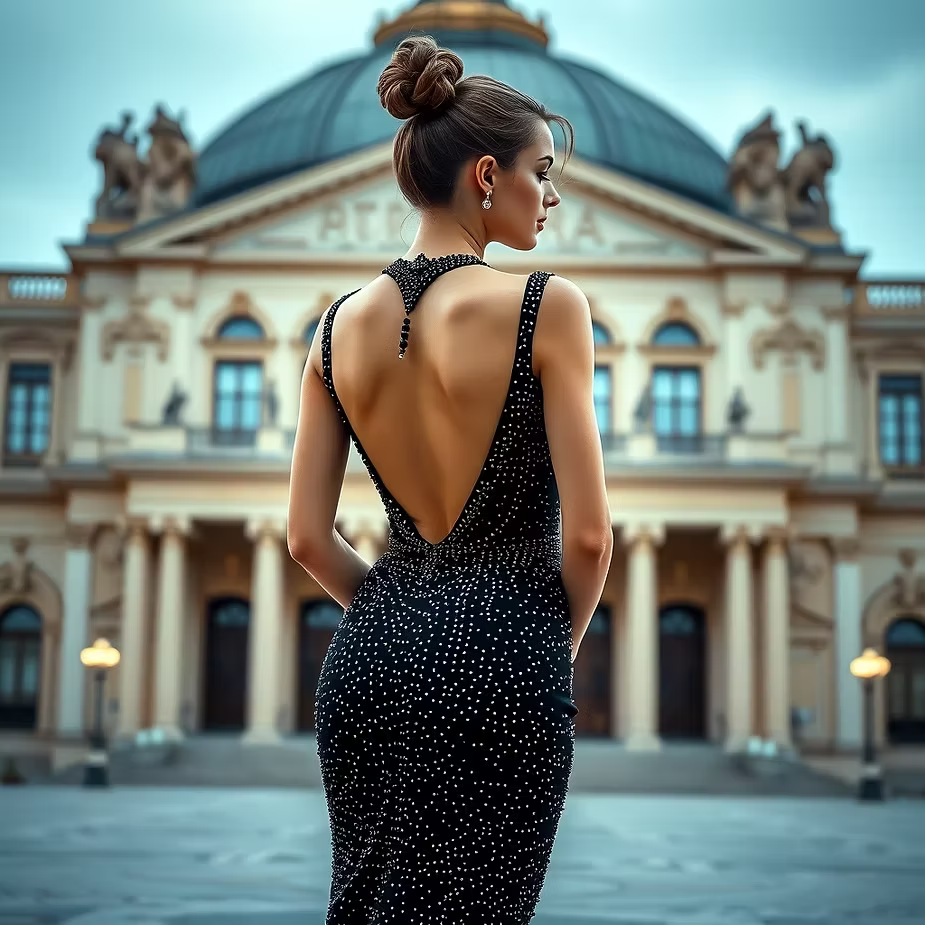
If you're refining your wardrobe with this level of intention, explore Vivien Lauren for timeless womenswear, classic shoes, Italian-crafted accessories, and practical styling guidance built around elegant proportion rather than passing fashion noise.
This fashion guide has been researched and authored and brought to you by Nancy. For Vivien Lauren. Vivien Lauren. Luxury. Craftsmanship. That's Proudly Italian. Vivien Lauren. Proud To Style.
